


Published March 2026 · Last updated: August 2026
Iceland occupies a somewhat strange and privileged position in the world of travel. It is one of the most photographed countries on Earth, and yet Iceland consistently manages to surprise people. This is a collection of 10 experiences that are specific to Iceland, things that are weirder or more beautiful or more disorienting than you would expect. Some are in Reykjavík, while others require a drive, but all of them are worth planning around.
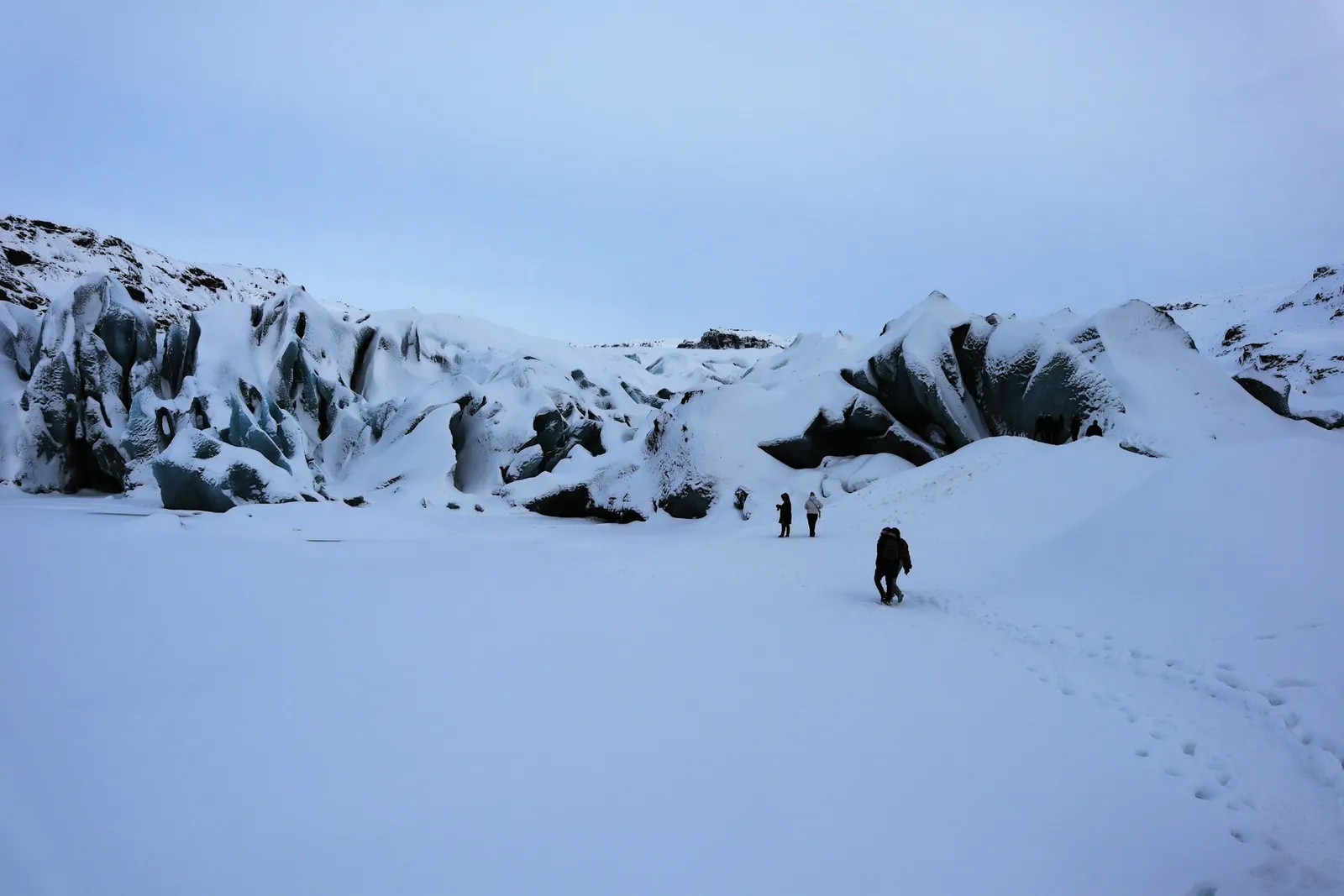
Hike on a Glacier at Sólheimajökull
Iceland has more glacial ice per square kilometer than anywhere else in Europe. The experience of actually walking on it, not just photographing the icy expanse from a parking lot viewpoint, but strapping crampons to your boots and stepping out onto the surface with an experienced glacier guide, is one of the most physically immediate things the country has to offer. Sólheimajökull, a glacier tongue extending from the larger Myrdalsjökull ice cap on the south coast, is among the most accessible places in Iceland to do it.
The glacier sits roughly 2.5 hours from Reykjavík along the Ring Road, making it a full-day commitment but a manageable one. Guided glacier hikes depart from the parking lot at the glacier’s edge, with groups led by guides who fit crampons before the walk and carry safety equipment. The hikes range from 2-hour introductory walks to longer routes that take in ice caves, crevasse fields, and elevated viewpoints over the surrounding landscape.
Eat a Hot Dog from Bæjarins Beztu Pylsur
Yes, this sounds odd but hear us out. There are few things in Icelandic food culture more democratic or more beloved than the pylsa, the Icelandic hot dog. And there is no more famous place to eat one than the small red kiosk called Baejarins Beztu Pylsur, which translates roughly as the best hot dogs in town, a name the owners have been entirely comfortable using since 1937. The stand sits near the old harbor in Reykjavík and has been serving the same product for nearly 90 years: a lamb-and-pork sausage in a steamed bun, topped with raw onion, crispy fried onion, ketchup, sweet mustard, and remoulade.
The line at peak times snakes along the pavement and moves fast. Eat yours standing up, outside, regardless of the weather. This is non-negotiable. It costs less than almost anything else you will buy in Iceland and will almost certainly be the snack you talk about most.
Swim in a Geothermal River at Reykjadalur
The Blue Lagoon is magnificent and thoroughly worth experiencing, but it is also heavily booked and expensive. For a geothermal bathing experience that feels less like a spa and more like something wild, drive about 45 minutes east of Reykjavík to the Reykjadalur valley and hike the trail to the hot river that runs through it.
The walk takes roughly 50 minutes each way through a geothermal landscape of steaming vents, sulfurous mud pools, and open land. The payoff is a natural hot spring river where the water temperature is warm enough to bathe in comfortably and where there is nothing between you and the Icelandic sky except open air. You change on the riverbank, lower yourself in, and float downstream in water heated by the same geological processes that have been shaping this island for millions of years.
Be Brave and Try Fermented Shark, Just Once
Hakarl is a Greenlandic shark that has been fermented for several months underground and then dried in the open air, and it tastes just as it sounds. The flesh of the shark is toxic when fresh due to its high urea content; the fermentation process breaks down those toxins and produces something edible. The smell is intense, a strong ammonia note that hits before you take a bite. The taste, once you get past the anticipation, is strong and faintly reminiscent of very aged cheese. It is served in small cubes on a toothpick, usually accompanied by a shot of Brennivin, the Icelandic aquavit known colloquially as Black Death. Take a bit and earn your Viking stripes.
Walk Inside a Volcano
Most volcanic experiences involve looking at what eruptions produce, such as lava fields, craters, and ash plains. Þríhnúkagígur, about 40 minutes from Reykjavík, offers something completely different: the chance to descend inside an inactive volcano’s magma chamber on an open cable lift and stand at the bottom of a space the size of the Statue of Liberty. You are surrounded by walls streaked with vivid mineral colors that no photographer has ever quite captured accurately.
The tour operates only from May to October, involves a 30-minute hike across a lava field to reach the volcano, and the descent itself takes several minutes each way. Groups are small, and it is expensive compared with most Icelandic experiences, but it is one of the few things in Iceland that genuinely earns the description once-in-a-lifetime without exaggeration.
Chase the Midnight Sun in June
The northern lights get most of the attention when people talk about Iceland’s extraordinary light. Still, the midnight sun is, for many visitors, the more disorienting and ultimately more transformative experience. In June, the sun does not set in Iceland. It dips toward the horizon sometime around midnight, the sky turns a deep amber and rose that bears no resemblance to ordinary sunset light, and then the sun climbs again. It is fully bright at two in the morning. At three, you could read a book outside without a torch.
Soak at the Sky Lagoon
The Sky Lagoon opened in 2021 on the edge of Reykjavík, built into a clifftop site overlooking the ocean, and has established itself quickly as one of the most architecturally impressive geothermal bathing experiences in Iceland.
The ritual experience the Sky Lagoon has developed guides bathers through seven stages: the geothermal pool, a cold plunge, a sauna, a steam room with salt scrub, a cold mist, and a warm shower, which feels genuinely restorative rather than gimmicky. The facility is quieter and more adult-oriented than the Blue Lagoon, the architecture is striking, and the clifftop setting gives it a drama that more conventionally located spas cannot match.
Feel an Eruption at Volcano Express in Harpa
Harpa Concert Hall on Reykjavík’s waterfront is worth visiting for the building alone. Truly, its geometric glass facade, designed to echo the basalt columns found throughout Iceland’s volcanic landscape, shifts color with the light, making it look different every time you see it. But the reason to put it near the top of your itinerary in 2026 is what’s happening inside.
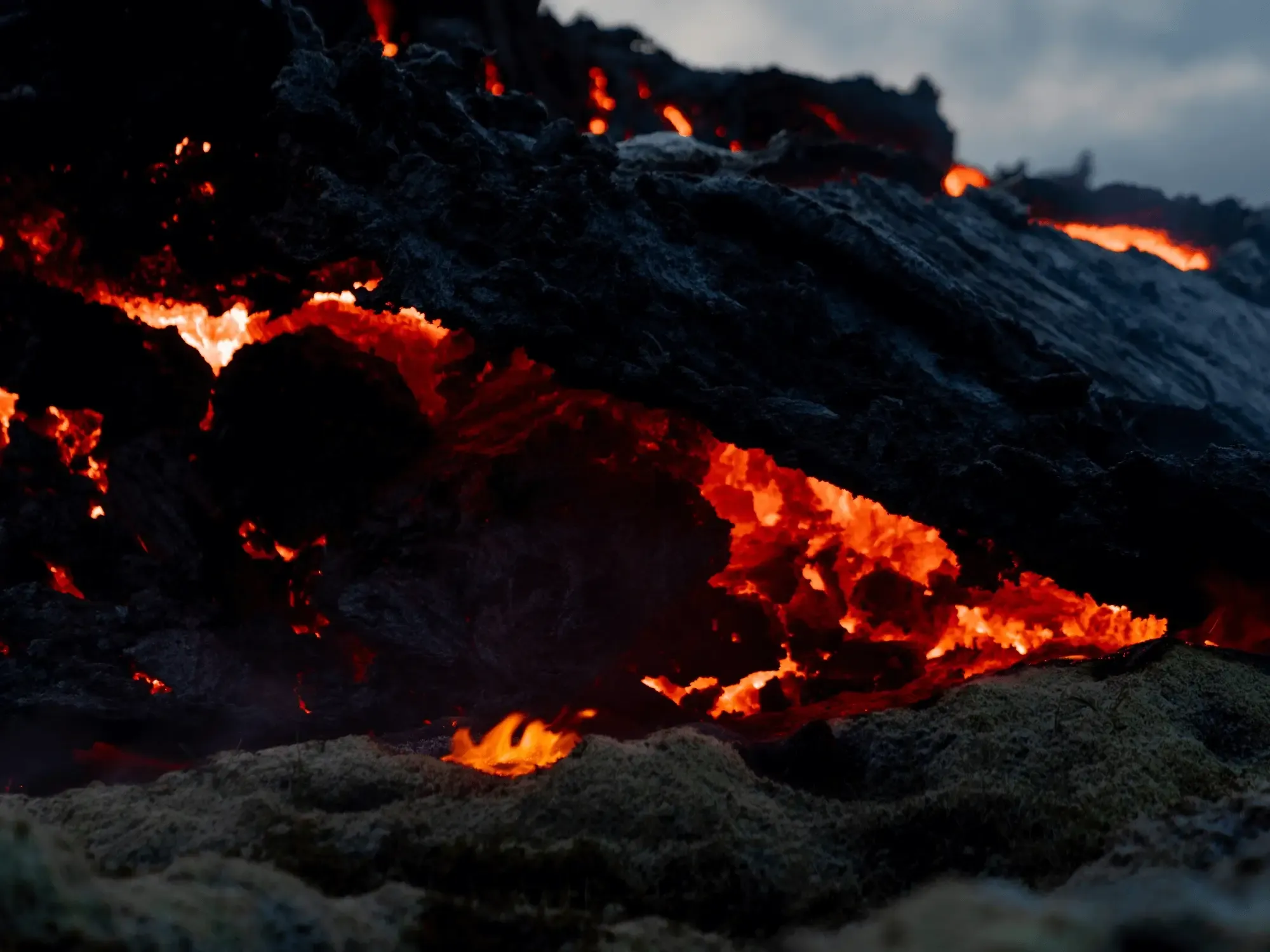
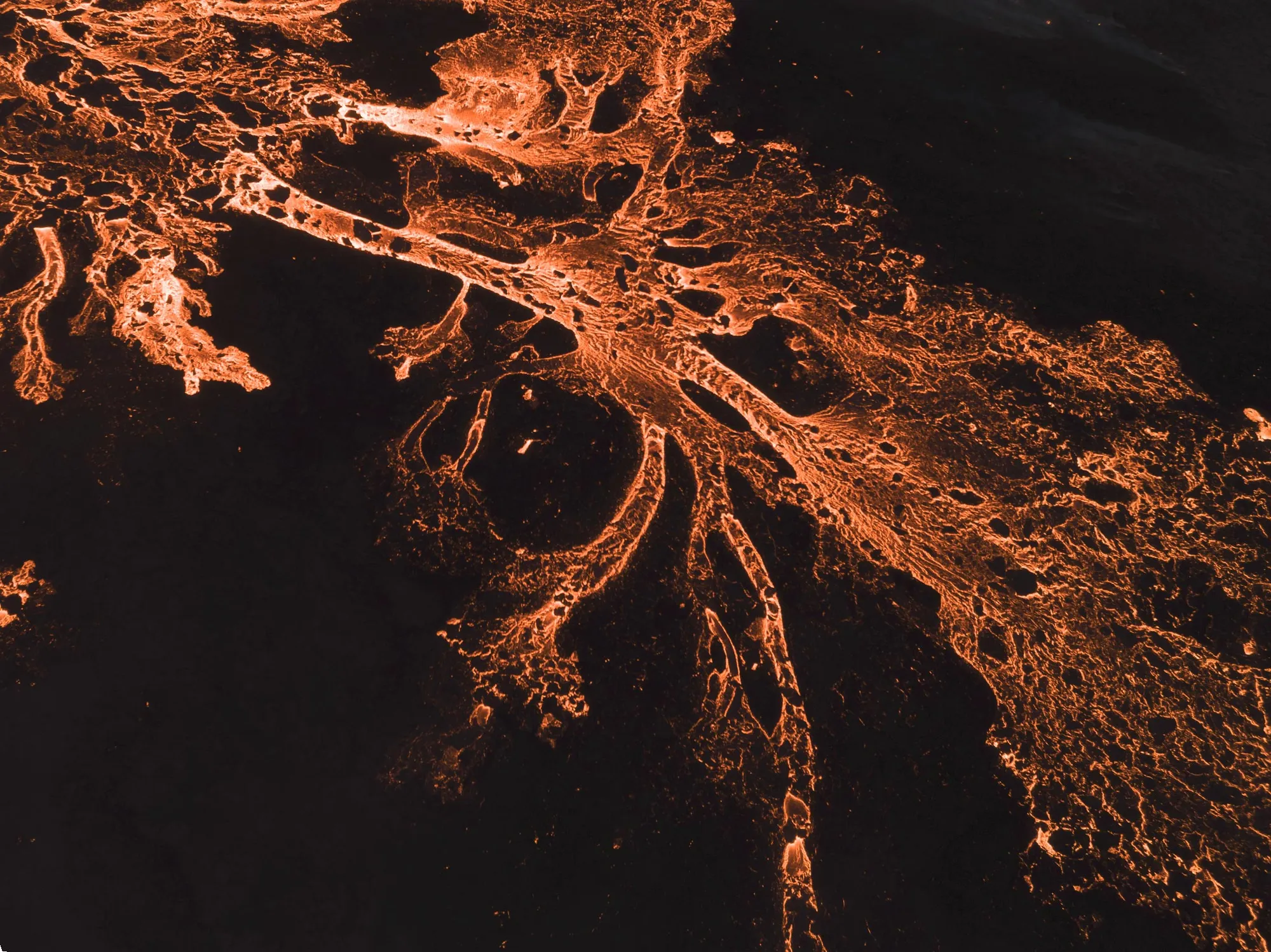
Volcano Express runs a 10-minute 4K film experience about Iceland’s volcanic geology that has become, for many visitors, the single best introduction to the country’s geology available anywhere in the capital. This is not a gentle educational documentary. The footage, shot on location during actual eruptions on the Reykjanes peninsula and elsewhere around Iceland, is visceral and immersive, presented on a large format screen with sound that fills the room. Watching molten lava pour across a landscape in that kind of resolution, with that kind of audio, is an unmatched experience.
See the Northern Lights
The northern lights are, admittedly, not unique to Iceland. You can find them in Norway, Canada, Finland, and Sweden, sometimes with better statistics. But what Iceland offers that others do not is accessibility. Just minutes from Reykjavík’s city center, you can be standing on a completely dark beach with nothing between you and the sky, no light pollution, and a horizon line over the ocean that gives the aurora space to display itself fully.
Ride an Icelandic Horse
The Icelandic horse is one of the most distinctive and isolated breeds in the world. Brought to Iceland by Norse settlers over 1,000 years ago and never crossbred with outside stock. Icelandic law prohibits the import of horses to protect the breed’s genetic purity; as a result, it has developed into an animal quite unlike any other.
Riding stables operate within easy reach of Reykjavík. Most tours are designed for riders of all experience levels and last between one and three hours, taking in lava fields, coastal paths, or open moorland depending on the location. The horses are handled with obvious care, and the guides are knowledgeable about both the animals and the landscape you are moving through.
Iceland is one of those destinations that tends to produce a particular response in people who visit it for the first time. The scale of the landscape, along with its quirky culture, has a way of getting under the skin.
This article is part of our complete guide: Iceland Travel Basics.