


Published February 2026 · Last updated: August 2026
On June 8, 1783, a crack opened in the Icelandic highlands that would reshape history across the entire Northern Hemisphere. For eight months, the Laki fissure released catastrophe around the world. This wasn’t just another volcanic eruption; it was the kind of event that starved nations and reminded humanity just how small we are when Earth decides to tell us who’s boss.
What Actually Happened
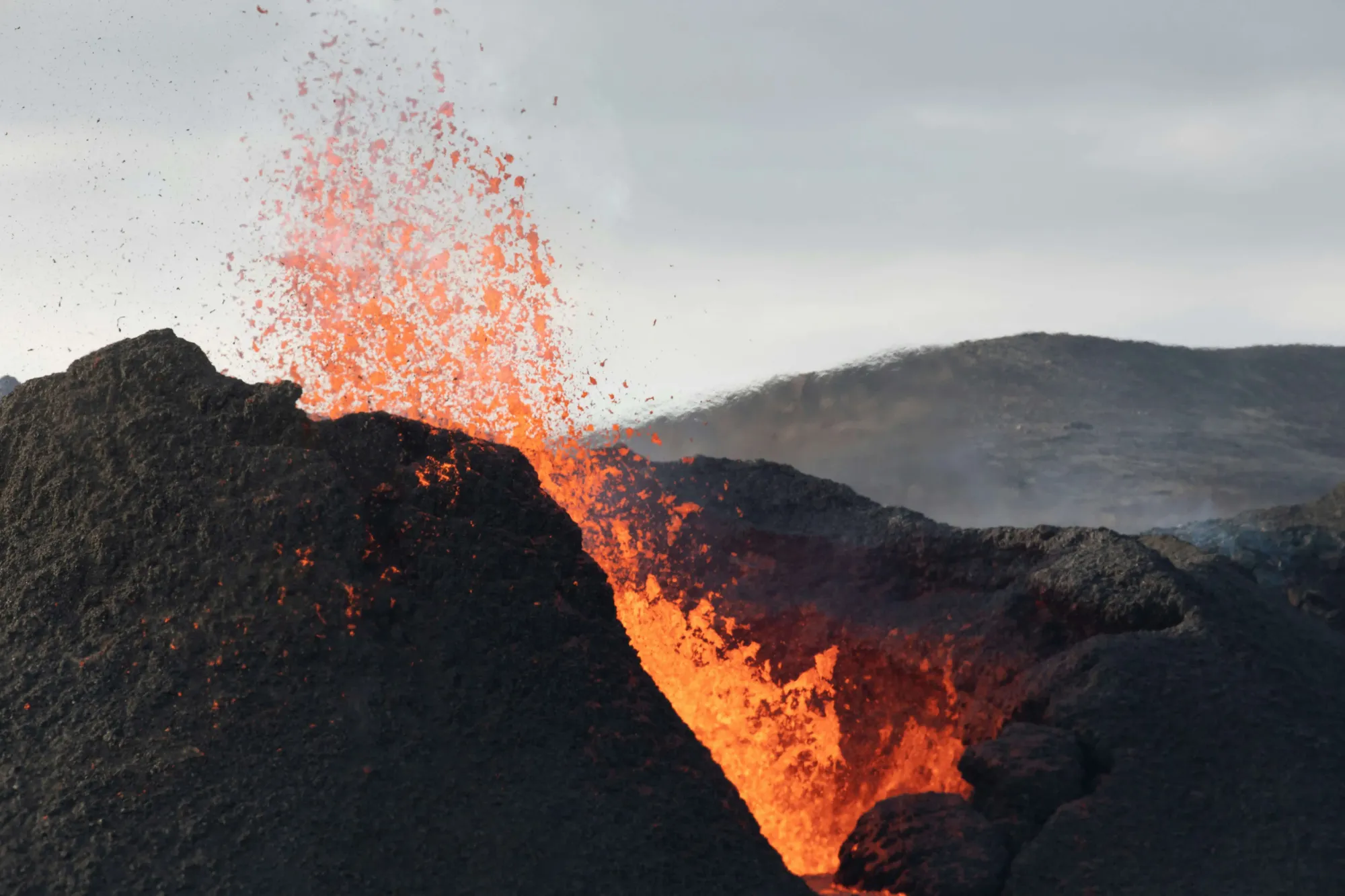
Laki isn’t technically a volcano; it’s a 27-kilometer volcanic fissure that tore open across Iceland’s central highlands. Think of it less like a traditional cone-shaped mountain and more like a massive crack in the Earth’s crust. When groundwater met rising basalt magma deep underground, the pressure became too much. The fissure opened, and for the next eight months, lava flowed.
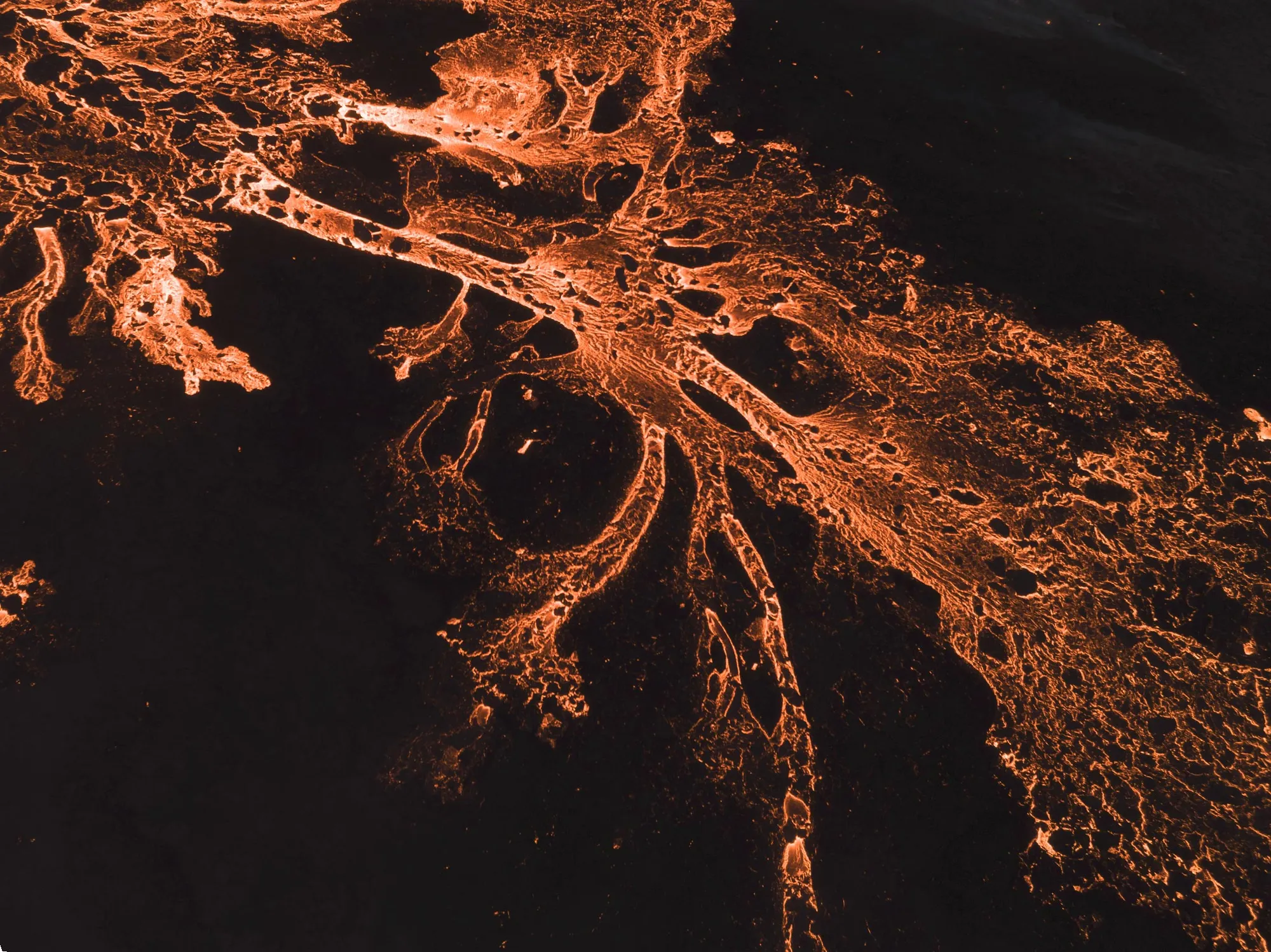
The numbers are staggering. Laki poured out roughly 42 billion tons of basalt lava, enough to cover an area of 565 square kilometers. That’s about the size of Chicago in the United States, buried under molten rock. But the lava wasn’t even the worst part. What made Laki truly catastrophic was what came with it, an estimated 120 million tons of sulfur dioxide and 8 million tons of hydrogen fluoride, released directly into the atmosphere.
Iceland’s Darkest Hour
The poisonous gases contaminated everything. Grass turned brittle and toxic, and livestock ate the poisoned vegetation and began dying in horrifying numbers, with 80% of Iceland’s sheep dying. You can’t run a farming community when your animals are gone.
About 9,000 people died, roughly 20 to 25 percent of Iceland’s entire population. To put that in perspective, imagine a quarter of everyone you know just gone in a year. Whole communities disappeared, and the social fabric of Iceland was torn apart. Survivors faced impossible choices about who would eat and who wouldn’t.
A priest named Jón Steingrímsson, who lived through the disaster near Kirkjubæjarklaustur in the southeast, kept detailed records. His accounts described ash falling like snow, sulfuric smells that wouldn’t go away, and the slow horror of watching his parish starve. Jón became known as the “Fire Priest” for his efforts to help his community survive. His writings remain one of the most vivid firsthand accounts of volcanic disaster in Iceland’s history.
The Haze That Spread Across Europe
While Iceland was burning, Europe had no idea what was causing the strange fog that suddenly appeared in its skies. In June 1783, a thick, sulfuric-smelling haze rolled across the continent. It smelled rotten and made breathing difficult. The sun turned blood-red at sunset, and stars disappeared from view at night.
Gilbert White, an English naturalist in Hampshire, wrote about the “peculiar haze, or smoky fog” that dominated the summer of 1783. He called it “amazing and portentous,” noting that it was “unlike anything known within the memory of man.” People across Europe reported headaches, breathing problems, and burning eyes. Thousands died from respiratory complications.
Global Consequences Nobody Saw Coming
Laki’s impact didn’t stop at Europe’s borders. The sulfur dioxide in the atmosphere created a kind of volcanic winter, dropping global temperatures by about 1°C. That might not sound like much, but it was enough to disrupt global weather patterns.
For instance, in North Africa, the eruption weakened monsoon patterns. Less rain meant lower water levels in the Nile River, and Egypt experienced a devastating famine in 1784 that killed roughly one-sixth of its population. Similar drought patterns hit parts of India and Asia.
Why Laki Still Matters Today
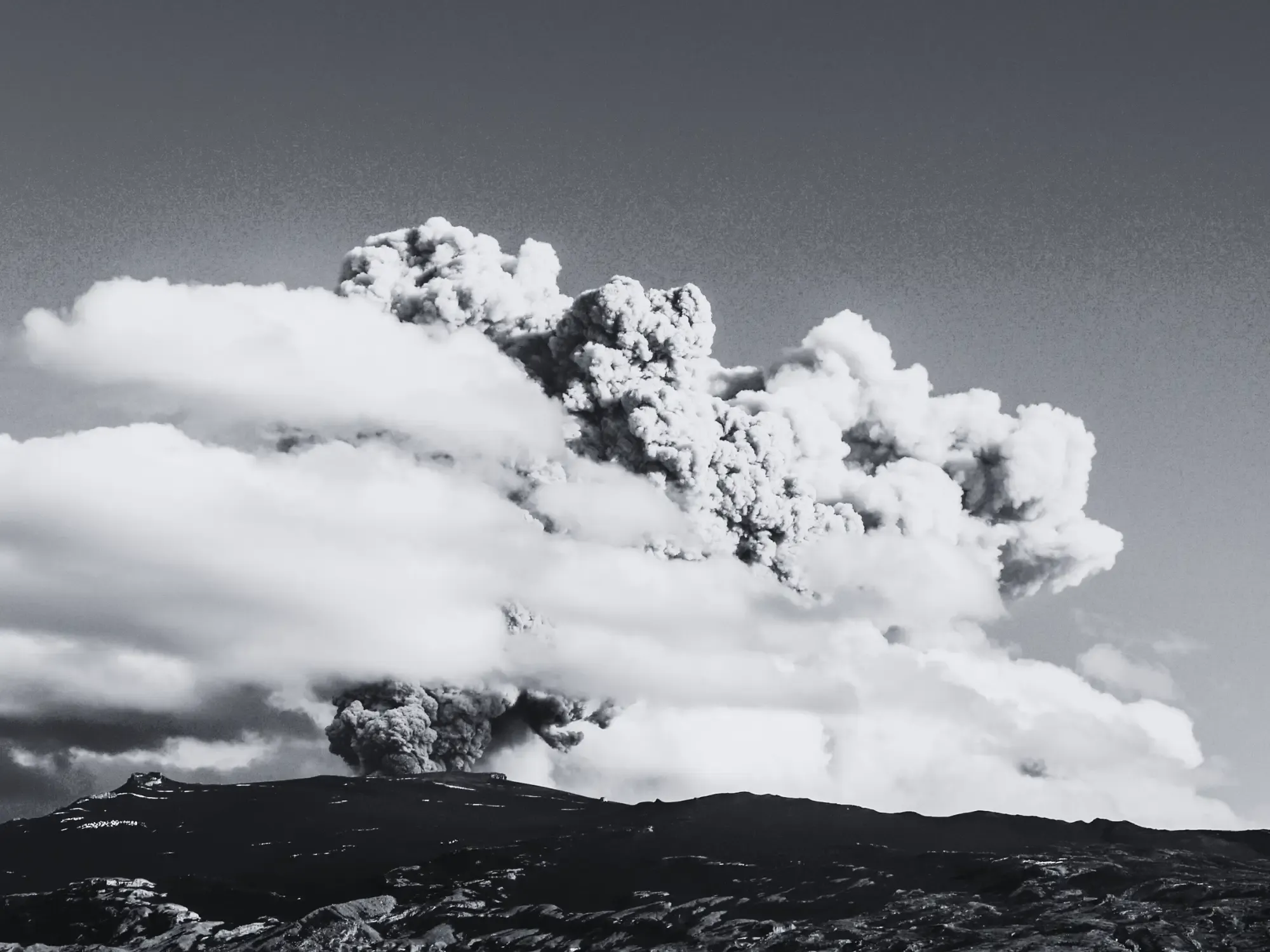
Iceland’s eruption history isn’t just academic. It’s a reminder that volcanic events in this small island nation can have global consequences. When Eyjafjallajökull erupted in 2010 and grounded air traffic across Europe, people suddenly remembered that Iceland’s volcanoes don’t just stay in Iceland; they can have a significant impact abroad.
Scientists studied Laki to understand how future eruptions might affect climate, agriculture, and human society. Iceland experiences volcanic eruptions on average every 3 to 5 years, and most are small events. But the potential for another Laki-scale disaster exists, so that’s why Iceland maintains sophisticated monitoring systems, constantly watching for signs of volcanic activity.
Visiting Laki Today
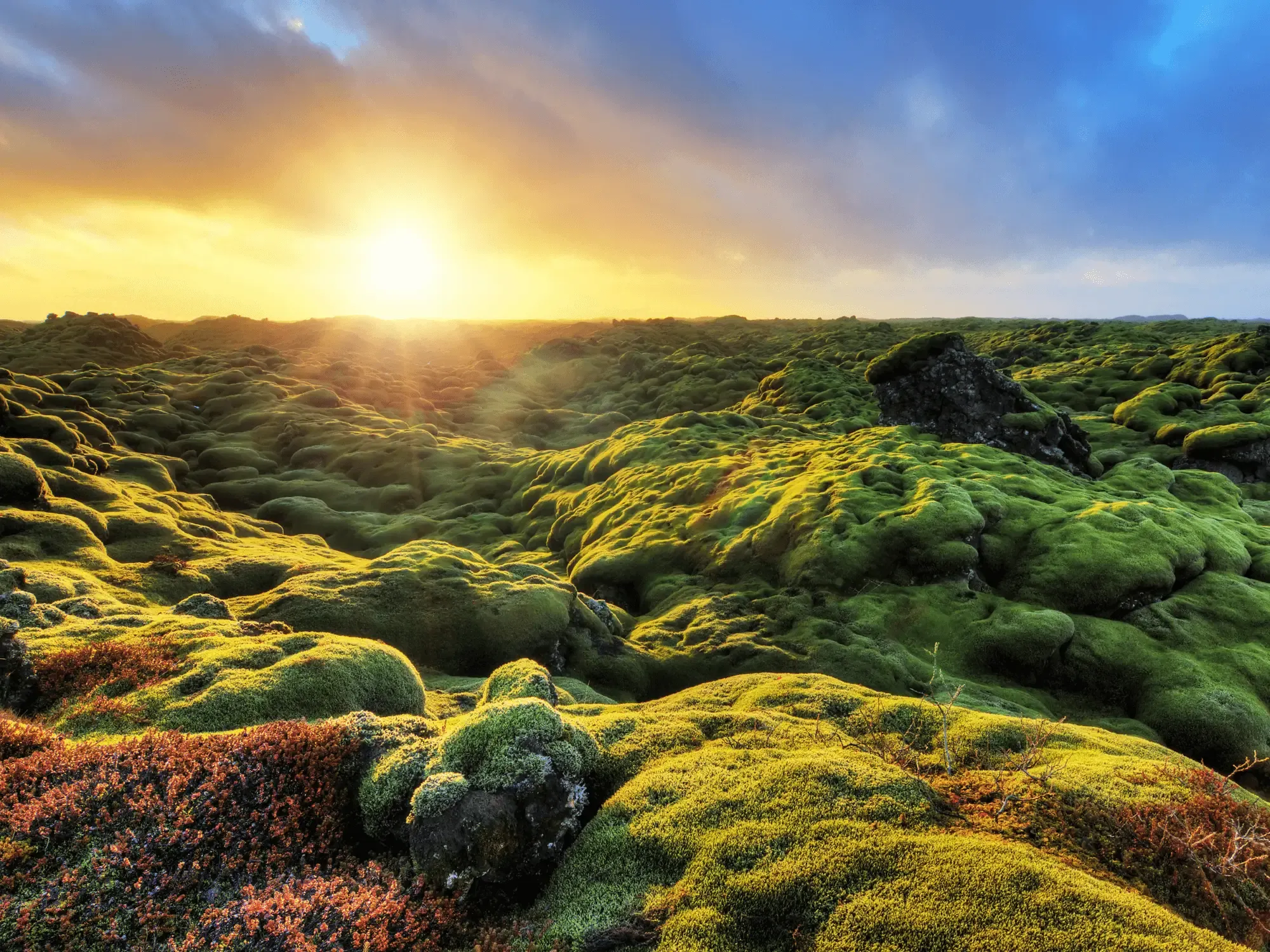
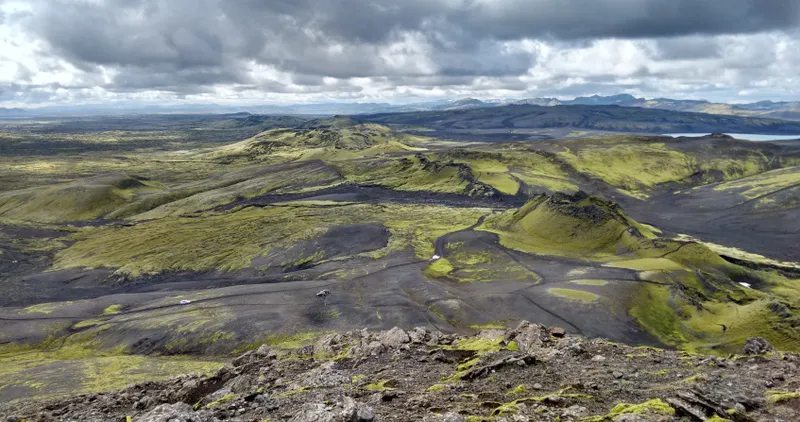
The Laki fissure is now part of Vatnajökull National Park, and you can visit it. The landscape is dramatic with black lava fields stretching for miles, covered in thick green moss. The contrast between the violent rock and the soft moss is striking. Mist drifts through the highlands, giving everything a dreamlike quality.
However, getting there isn’t easy. The roads are rough, and you’ll need a 4x4 vehicle. The area is remote, surrounded by glaciers and volcanic plains. But that’s part of the appeal. Standing on those lava fields, with the wind blowing across the highlands and nothing but black rock and green moss in every direction, you feel the weight of history and the dramatic landscape. This is where the world changed.
Understanding Iceland Through Its Volcanoes
When you explore Iceland, you’re walking through volcanic history. Every lava field, every black sand beach, every steaming geothermal area comes from the same forces that created Laki. Iceland sits on the Mid-Atlantic Ridge, where two tectonic plates are slowly pulling apart. Magma rises to fill the gap, and volcanoes erupt. The island literally grows from volcanic activity.
At Volcano Express in Harpa, you can experience Iceland’s volcanic power in an immersive way. Through cutting-edge visuals and sensory effects, you’ll understand the forces that shaped events like Laki. You’ll feel the rumble of earthquakes, see lava flows, and grasp the scale of volcanic eruptions, all in the safety and comfort of an indoor hall.
The Fire Priest’s Legacy
Jón Steingrímsson, the Fire Priest who lived through Laki, left behind more than just historical records. His writings show how people coped with unimaginable disaster. He documented the eruption with scientific precision while also recording the human cost, including the fear, grief, and determination to survive.
One famous story tells of Jón leading his congregation in prayer as lava approached their church. The lava stopped just short of the building, with some calling it a miracle. Others pointed to the natural topography. Either way, the church survived, and Jón became a symbol of resilience in the face of disaster.
Looking Ahead
Could another Laki happen? Yes. Will it? Nobody knows. The Laki fissure has been dormant since 1784, but it’s part of an active volcanic system. Iceland’s geology hasn’t changed. The Mid-Atlantic Ridge is still pulling apart, and magma is still rising. Another massive fissure eruption is geologically possible.
The difference between 1783 and now is monitoring and preparedness. Iceland’s scientists constantly monitor volcanic systems, and early warning systems give people time to evacuate. International coordination means the world won’t be blindsided by volcanic haze.
Laki proves that Iceland’s eruption history matters beyond Iceland’s borders. What happens here can reshape the world. That’s not just a historical curiosity, it’s a reminder that we’re all connected by forces bigger than ourselves. Volcanoes don’t care about national borders, economic systems, or political power. They just erupt. And when they do, people have to deal with the consequences together.
This article is part of our complete guide: Volcanic Science & Iceland Geology.