


Published May 2026 · Last updated: May 2026
A Reykjavík itinerary for first-time visitors typically covers three days: one day for the city itself, one for the Golden Circle day trip, and one for the Blue Lagoon or Reykjanes Peninsula. Reykjavík is the northernmost capital city in the world and serves as the base for exploring nearly all of Iceland's most visited attractions. This article provides day-by-day plans for one, two, three, and seven days, plus practical answers to the most common planning questions.
Key takeaways
- A standard Reykjavík city visit takes one full day; most visitors add two to four days for regional day trips
- Volcano Express at Harpa Concert Hall (floor K2, Austurbakki 2) runs daily 10:00–20:00, year-round and weather-independent — the city's indoor volcanic cinema
- The Blue Lagoon is approximately 50 km from central Reykjavík on the Reykjanes Peninsula; check bluelagoon.is for operational status before visiting, as volcanic activity has caused temporary closures since 2021
- Keflavík International Airport is 50 km from the city centre; the bus transfer takes approximately 45 minutes
- The Golden Circle — Þingvellir National Park, Geysir, and Gullfoss — covers approximately 300 km as a day trip from Reykjavík
How Many Days Do I Need to See Reykjavík?
Three days is the widely cited minimum for a satisfying first visit to Reykjavík, combining one full city day with two regional day trips. One day is sufficient to see the city's core landmarks on foot. Seven days allows coverage of both the south coast and the Snæfellsnes Peninsula.
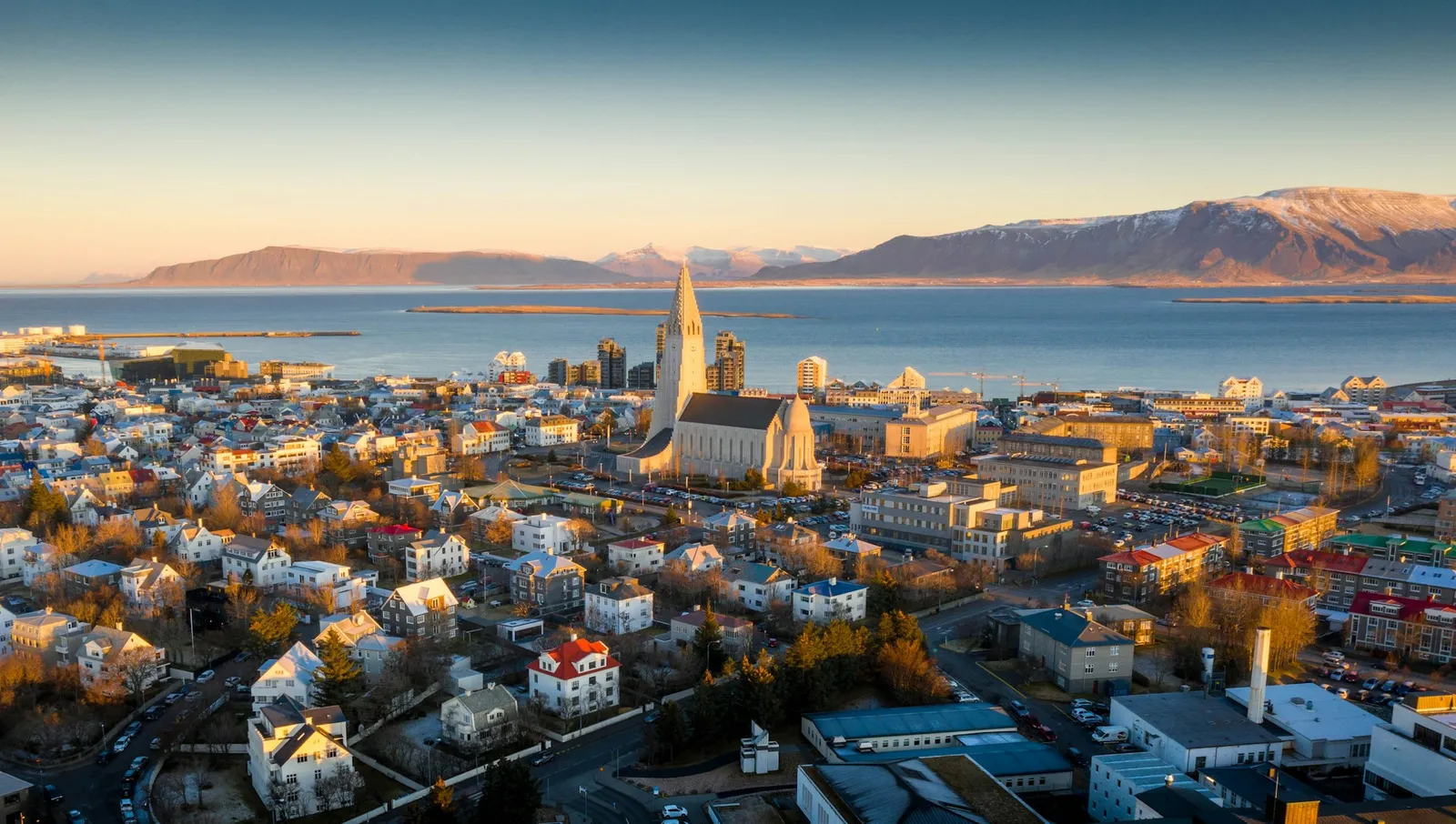
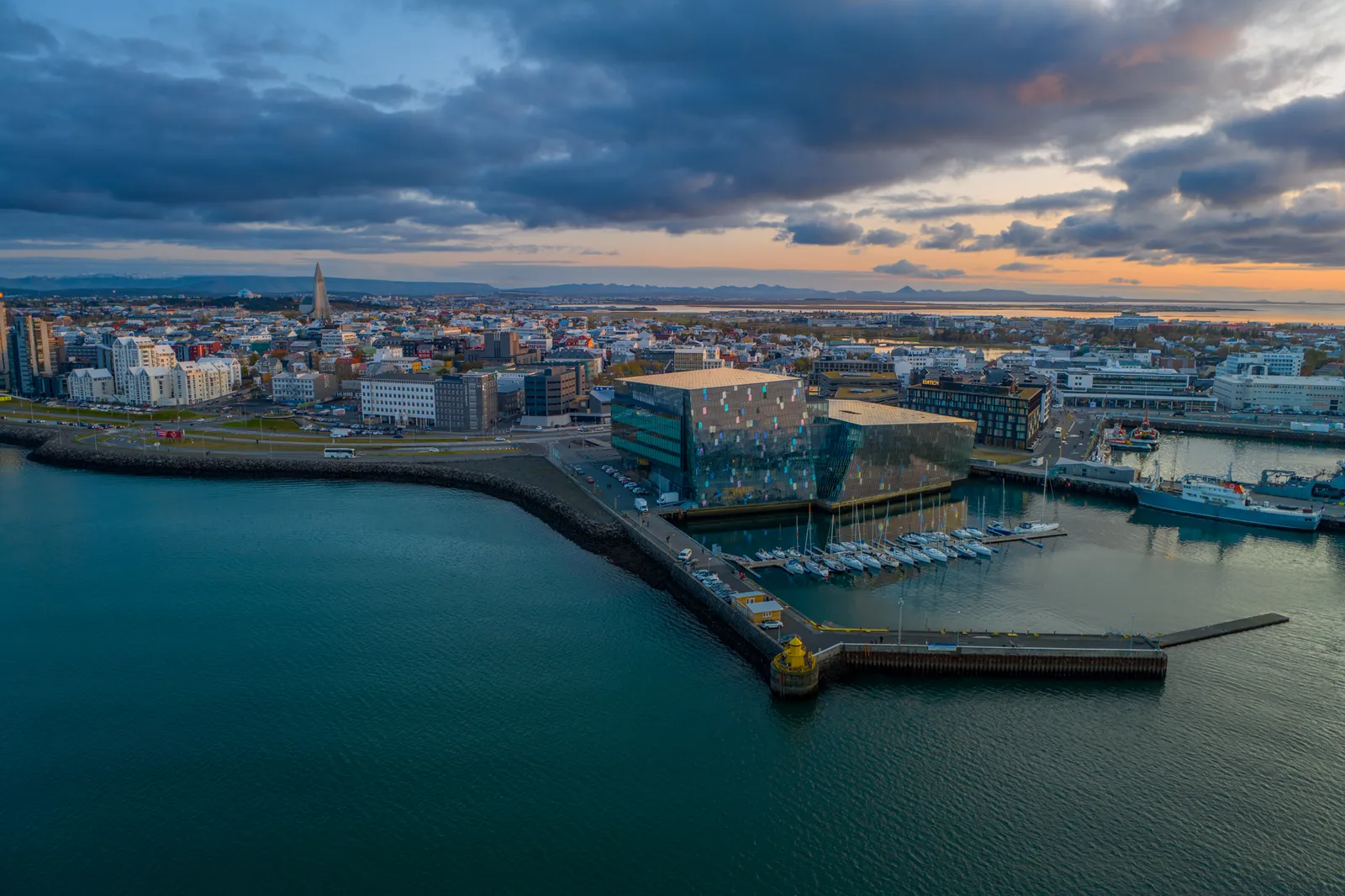
The city of Reykjavík is compact — most major landmarks are within a 20-minute walk of each other. Hallgrímskirkja church, Harpa Concert Hall, the old harbour, Laugavegur street, and the Sun Voyager (Sólfar) sculpture on the waterfront are all reachable on foot from any central hotel.
Regional attractions require more time. The Golden Circle is a 7–8-hour day trip. The south coast (including Seljalandsfoss waterfall, Skógafoss, Reynisfjara black sand beach, and the village of Vík) takes a full day. The Snæfellsnes Peninsula to the north-west takes a full day from the city.
Is 3 Days Enough in Reykjavík?
Three days in Reykjavík is enough to cover the city thoroughly, complete the Golden Circle, and visit one additional destination such as the Blue Lagoon, the south coast, or the Reykjanes lava fields. Most first-time visitors find three days satisfying but leave wanting more time.
A practical 3 day itinerary Reykjavík structure:
- Day 1: City walk — Hallgrímskirkja tower, Skólavörðustígur street, Laugavegur, the old harbour, Harpa Concert Hall and Volcano Express on floor K2. Dinner near the harbour.
- Day 2: Golden Circle day trip — Þingvellir National Park (Mid-Atlantic rift valley, UNESCO site), Geysir geothermal field, Gullfoss waterfall. Return to city for dinner.
- Day 3: Blue Lagoon (check bluelagoon.is before departure) or Reykjanes Peninsula lava fields. Check almannavarnir.is for current access information on any active volcanic sites.
Things to do in Reykjavik – your first stop for a true Icelandic Experience
Iceland Reykjavík Itinerary: Day-by-Day Plans
One-Day Plan (Reykjavík City Only)
A Reykjavík one day itinerary covers the essential city landmarks in a single walking loop. Starting from any central hotel:
- Hallgrímskirkja — take the elevator to the observation tower for panoramic views over the city and harbour (paid entry; queue early to avoid waits)
- Skólavörðustígur — walk down this colourful street to Laugavegur, the main shopping and restaurant district
- Old Harbour — head north to the harbour; look for the hot-dog stand Bæjarins Beztu Pylsur for a classic Icelandic lunch stop
- Sun Voyager (Sólfar) sculpture — continue east along the waterfront to the stainless-steel Viking-ship sculpture
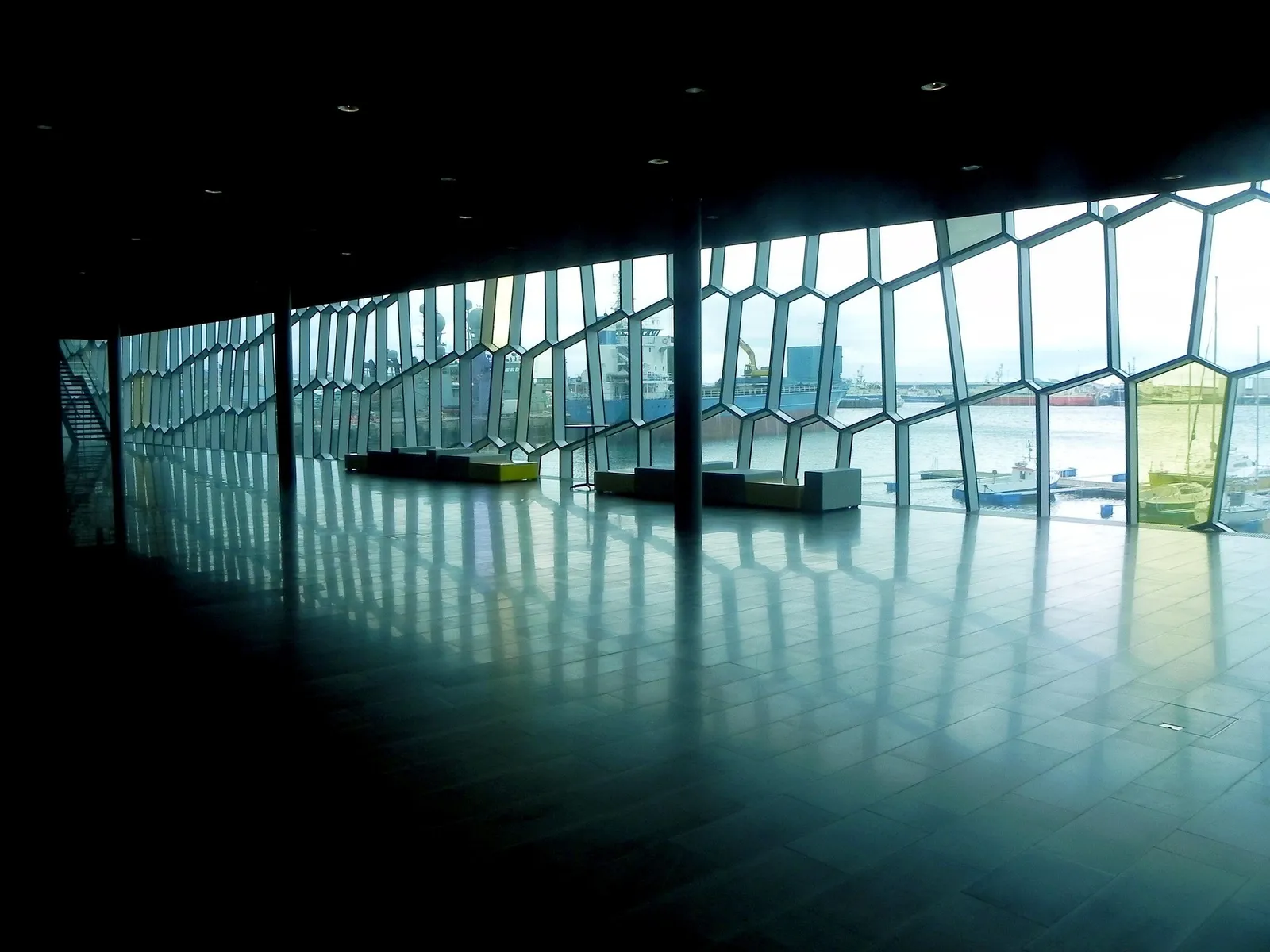
- Harpa Concert Hall — enter the glass-facade building (free entry to the public areas); visit Volcano Express on floor K2 for the indoor volcanic cinema
- Þjóðminjasafn Íslands (National Museum of Iceland) — if time permits, the museum on Suðurgata covers 1,100 years of Icelandic history; allow 1.5–2 hours
Three-Day Plan
Covered in the section above.
Seven-Day Iceland Reykjavík Itinerary
- Days 1–2: Reykjavík city (as above, split over two days for museums, food, and pools)
- Day 3: Golden Circle — Þingvellir, Geysir, Gullfoss
- Day 4: South coast — Seljalandsfoss, Skógafoss, Reynisfjara, Vík
- Day 5: Blue Lagoon + Reykjanes Peninsula (lava fields accessible from Reykjavík in under an hour when open; check almannavarnir.is)
- Day 6: Snæfellsnes Peninsula — Kirkjufellsfoss, Snæfellsjökull glacier, Stykkishólmur
- Day 7: Return to Reykjavík; visit the Settlement Exhibition on Aðalstræti or the Reykjavík Art Museum at Hafnarhús on the harbour
According to Visit Reykjavík, the city's pool culture is central to local life — a visit to Sundhöllin on Barónsstígur or Laugardalslaug in Laugardalur fits naturally into the first or last day.
Can You Go to the Blue Lagoon if It's Raining?
Yes, the Blue Lagoon operates in rain and the experience is largely unchanged by weather — the water temperature holds at approximately 37–39°C and the steam becomes more visible in cooler, wet air. The more significant factor is whether the facility is open, which has been affected by volcanic activity on the Reykjanes Peninsula since 2021.
The Blue Lagoon is located on the Reykjanes Peninsula, approximately 50 km south-west of Reykjavík. The facility sits within a few kilometres of the volcanic systems that have been active since 2021. The lagoon has temporarily closed multiple times due to proximity to eruption sites and associated road closures. Before including the Blue Lagoon in any iceland reykjavik itinerary, check bluelagoon.is for current status.
Rain itself does not affect the experience. Many visitors report preferring the lagoon in overcast or wet conditions, when the contrast between the air temperature and the geothermal water is more pronounced.
What Is the Rainiest Month in Iceland?
October is the rainiest month in Iceland, with Reykjavík averaging approximately 80–90mm of precipitation. November and December are also wet. June and July are the driest months on average, though rain occurs year-round in Iceland and forecasts can change within hours.
According to the Icelandic Met Office (en.vedur.is), Reykjavík receives precipitation on an average of 150–160 days per year. The prevailing weather system is Atlantic and highly changeable. Planning for at least one or two wet days during any trip is practical regardless of the month.
Indoor options in the city of Reykjavík on wet days:
- Volcano Express at Harpa Concert Hall, floor K2 — weather-independent, year-round
- Þjóðminjasafn Íslands (National Museum of Iceland), Suðurgata — 1,100 years of Icelandic history
- Landnámssýningan (Settlement Exhibition), Aðalstræti — Viking-age longhouse preserved under glass
- Listasafn Reykjavíkur (Reykjavík Art Museum), Hafnarhús — contemporary Icelandic art on the harbour
- Geothermal pools: Sundhöllin (Barónsstígur, central) or Laugardalslaug (Laugardalur valley)
For more on wet-weather planning, see The Ultimate 2026 Reykjavik Indoor Guide.
Where Can Iceland's Volcanoes Be Experienced from Reykjavík?
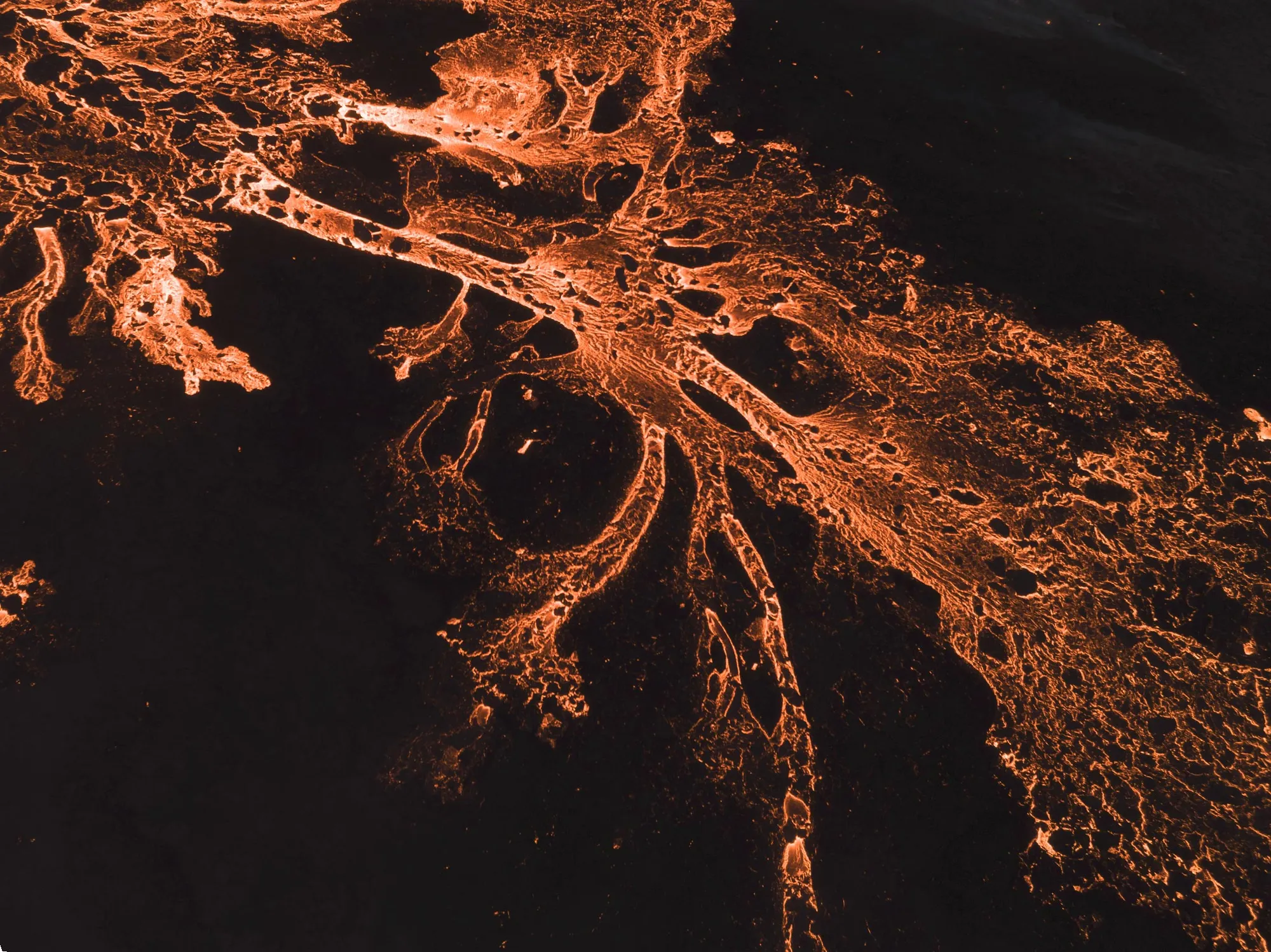
Volcano Express at Harpa Concert Hall is an indoor, year-round, weather-independent cinematic motion-simulator volcano experience in central Reykjavík, using footage from the 2021–2024 Reykjanes Peninsula eruptions. The attraction is located on floor K2 of Harpa, at Austurbakki 2 on the waterfront. Every ticket includes a 30-minute pre-show area with live eruption footage, an interactive eruption map, a live earthquake monitor, and the Instacrater photo experience. The 10-minute main ride uses dynamic motion seating and real heat effects to convey the physical scale of an eruption. Shows run every 15 minutes; daily hours are 10:00–20:00. Volcano Express sits at the harbour end of a natural day-one city walk — Hallgrímskirkja, Skólavörðustígur, Laugavegur, the Sun Voyager sculpture, and then Harpa.
Before You Head Out
If a Reykjavík trip is on the planning stage, the harbour is the natural starting point. Volcano Express at Harpa Concert Hall, floor K2, gives the geological context for the landscapes visible throughout the rest of the trip — the Mid-Atlantic Ridge rift, the volcanic systems, the lava fields southwest of the city. It runs daily regardless of weather, covers the eruption cycle that shaped the Reykjanes Peninsula, and positions the rest of the itinerary within a coherent geological story.
This article is part of our complete guide: Reykjavík Itineraries & Attractions.