


Published March 2026 · Last updated: August 2026
Planning a trip to Reykjavík as a wheelchair user or as someone traveling with a mobility impairment takes preparation. You are already doing the work of researching before you go, which is the right instinct, because the honest answer about accessibility in Reykjavík is nuanced.
What this guide tries to do is give you a clear picture of what to expect: where accessibility in Reykjavík works well, where the challenges are, and how to make the most of a visit without running into surprises. Reykjavík may not yet be the most accessible destination in Europe, but it is improving steadily, the people are genuinely helpful, and for those who plan carefully, a trip to Reykjavík can be great.
The Honest Picture: Streets and Pavements
Reykjavík is a relatively compact city, and in principle, that should make it manageable for wheelchair users. The main shopping street in downtown Reykjavík, Laugavegur, is where most visitors spend much of their time. The street itself is paved and is manageable, but the pavement widths vary, and some sections can be narrow.
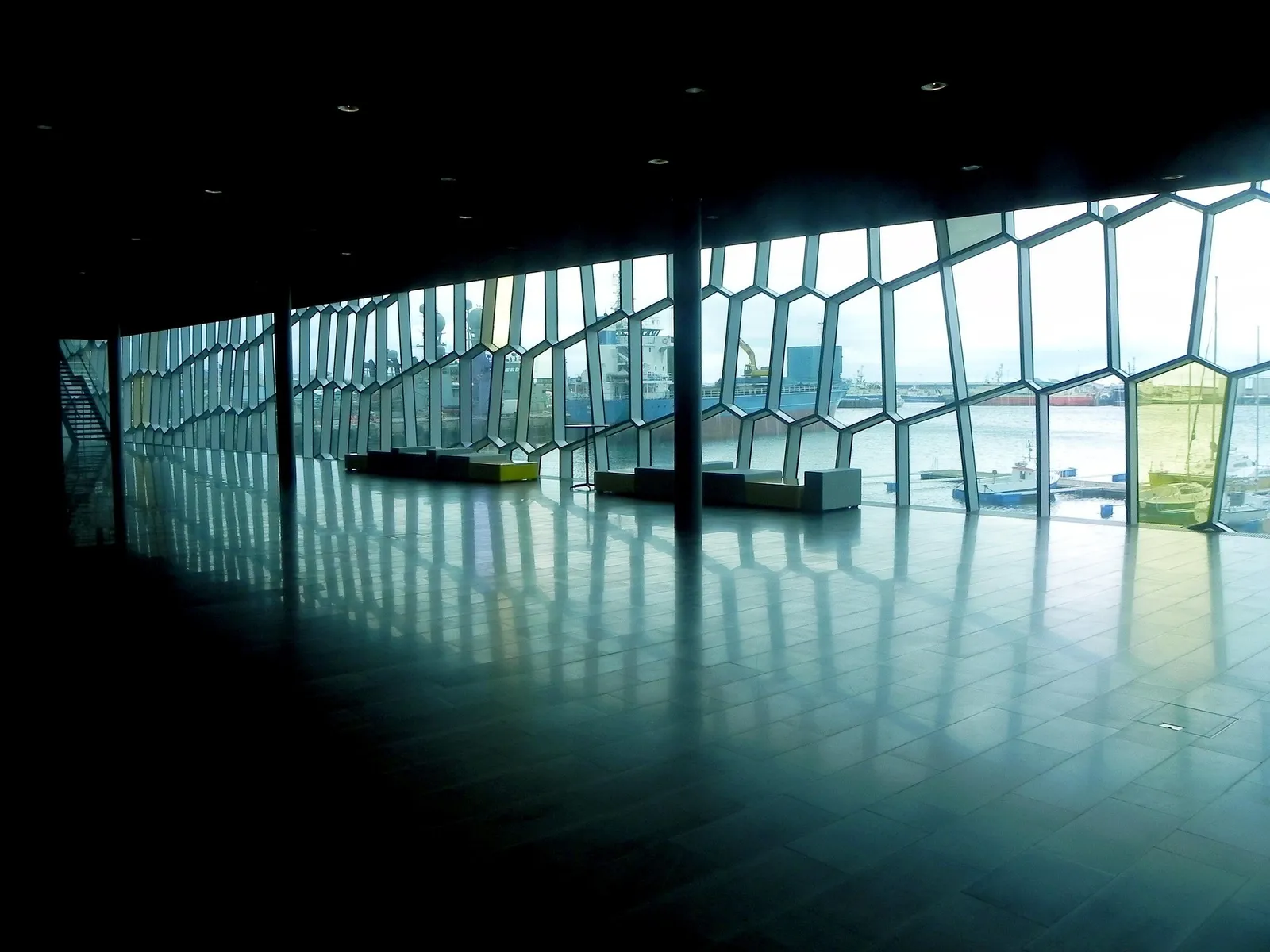
The area around the old harbor and the waterfront, however, is more accessible. The harbor promenade is wide, flat, and smooth, and several of the most visited attractions in the city, including Harpa Concert Hall, are located near it. If you are based in this part of the city, day-to-day movement is considerably more straightforward than in the hillier residential neighborhoods.
Dropped curbs have become more common throughout the city center in recent years, though coverage is still inconsistent. Some intersections are well equipped, and others require a short detour. The practical approach is to treat each day’s route as something to scout on a mapping app in advance, looking for footpaths and crossings rather than assuming the most direct route will be the most accessible one.
Getting Around: Transport and Taxis
For travelers who find public transport unpredictable, taxis are a practical alternative. Several taxi companies in Reykjavík operate wheelchair-accessible vehicles, but they must be booked in advance. Hreyfill is one of the larger operators and has accessible vehicles available. It is worth calling or emailing ahead to confirm availability for the dates you need, particularly if you are visiting during the peak summer season when demand is higher.
Rental car options for hand-control vehicles or adapted cars exist, but are limited. If driving is important to your trip, this is one area where planning and booking, ideally several months before departure, is essential.
Accessible Attractions: Where to Go
The good news about Reykjavík’s main attractions is that a number of them have invested seriously in accessibility, and several are excellent experiences for wheelchair users.
Harpa is one of the most accessible buildings in the city. The entire ground floor is step-free; elevators serve all levels, and the restrooms are spacious and well-designed. It is also home to Volcano Express, a short immersive film experience about Iceland’s volcanic landscape that is fully accessible to wheelchair users. The 10-minute 4K presentation is shown in a comfortable, purpose-built cinema space with level access throughout. For instance, there are no steps between the entrance and the screening room, and the layout accommodates wheelchairs without requiring users to transfer to a fixed seat.
The National Museum of Iceland, a short distance from the city center, has elevator access, accessible toilets, and staff accustomed to assisting visitors with varying needs. The collections here cover Icelandic history from the settlement period to the present day and are well worth a couple of hours.
The Reykjavík Art Museum operates across three sites: Hafnarhus in the harbor area, Kjarvalsstadir in the eastern part of the city, and Asmundarsafn in Laugardalur. Hafnarhus is the most accessible of the three, with step-free entry and elevators. It is also the largest and arguably the most interesting space, particularly for visitors who enjoy contemporary art.
Perlan, which sits on a hill above the city and offers both interactive exhibitions and panoramic views, has elevator access and accessible facilities. The site is most easily reached by taxi, as the road leading up to it is steep and not suitable for independent wheelchair travel. Once inside, the experience is largely accessible, and the view from the observation deck is remarkable.
Hallgrímskirkja, the tall church at the top of Laugavegur, deserves a specific note. The church interior is step-free at ground level, and the approach to the church involves a gentle slope from the main street, which is manageable for most manual and powered chairs.
Accommodation: What to Look For
Reykjavík has a wide range of accommodation options, from large international hotels to small guesthouses and apartments. Accessibility varies enormously across this spectrum, and it is an area where advanced research pays off considerably.
The larger hotels typically have accessible rooms that meet international standards: roll-in showers or shower seats, lowered beds, grab rails, and elevators to all floors. Smaller guesthouses and boutique properties vary more. Some older buildings in the city have been sensitively adapted and offer good accessibility; others have structural constraints that make full access impossible.
Geothermal Pools: The Local Experience
The geothermal swimming pools are central to daily life in Reykjavík, and many visitors rightly want to experience them. Accessibility at the pools has improved significantly, and most of the main city pools now have accessible changing facilities, hoists for entering the water, and step-free routes to the hot pots and main swimming areas.
Laugardalslaug, the largest pool complex in the city, has accessible facilities including a hoist and a changing room with space for wheelchair users. Staff are generally experienced at helping visitors who need support. It is worth calling ahead to confirm hoist availability and to let the staff know you are coming, as this allows them to ensure the relevant equipment is set up and ready.
Practical Tips Before You Travel
A few things are worth doing before you leave home. Contact your accommodation directly to ask specific questions about access, not just whether they have an accessible room, but whether the bathroom has a roll-in shower, what the threshold heights are, and whether the elevator is large enough for your chair. This will save frustration on arrival. Most Reykjavík hotel employees are accustomed to these questions and respond well to them.
Travel insurance that specifically covers your equipment, wheelchair, scooter, or other mobility aids, is essential. Delays, damage, or loss of mobility equipment in an unfamiliar city is a serious problem, and standard travel insurance policies often do not adequately cover such equipment. Read the policy carefully, and if in doubt, seek out an insurer that specializes in travel for disabled people.
Iceland’s weather is a genuine factor. Wet streets and icy roads in winter can make surfaces that are borderline manageable in dry conditions significantly more difficult. Many wheelchair users find spring and early summer the most practical time to visit, when days are long, and crowds are slightly smaller than in peak June and July.
Reykjavík Is Worth the Effort
The things that make Reykjavík worth visiting, the volcanic landscapes, the geothermal culture, the light, the sense of being somewhere genuinely unlike anywhere else, are largely available to wheelchair users who plan carefully. Plan ahead, ask questions, and allow a little extra time. With the right preparation, accessibility in Reykjavík need not stand in the way of that.
This article is part of our complete guide: Reykjavík Itineraries & Attractions.