


Published March 2026 · Last updated: August 2026
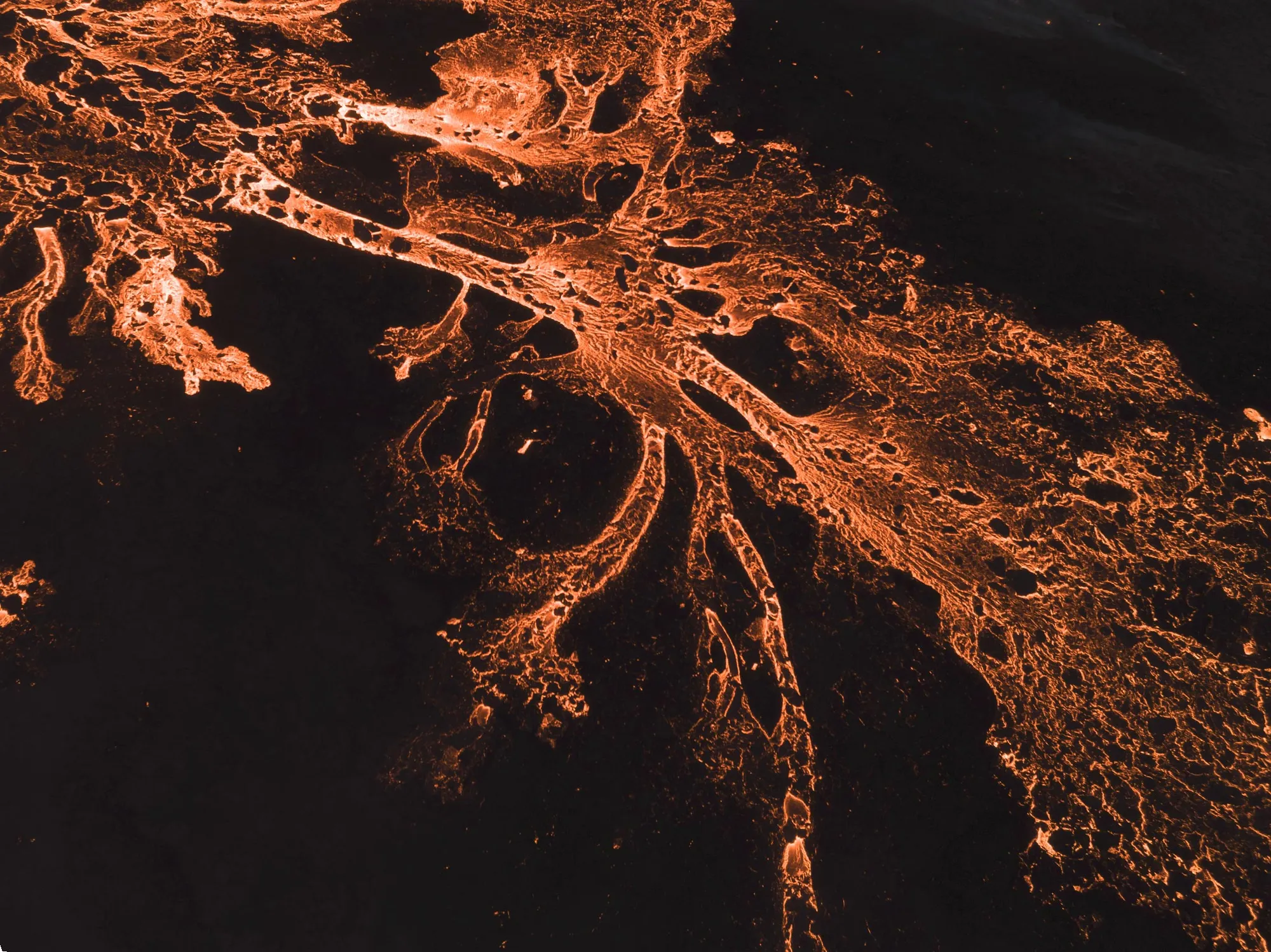
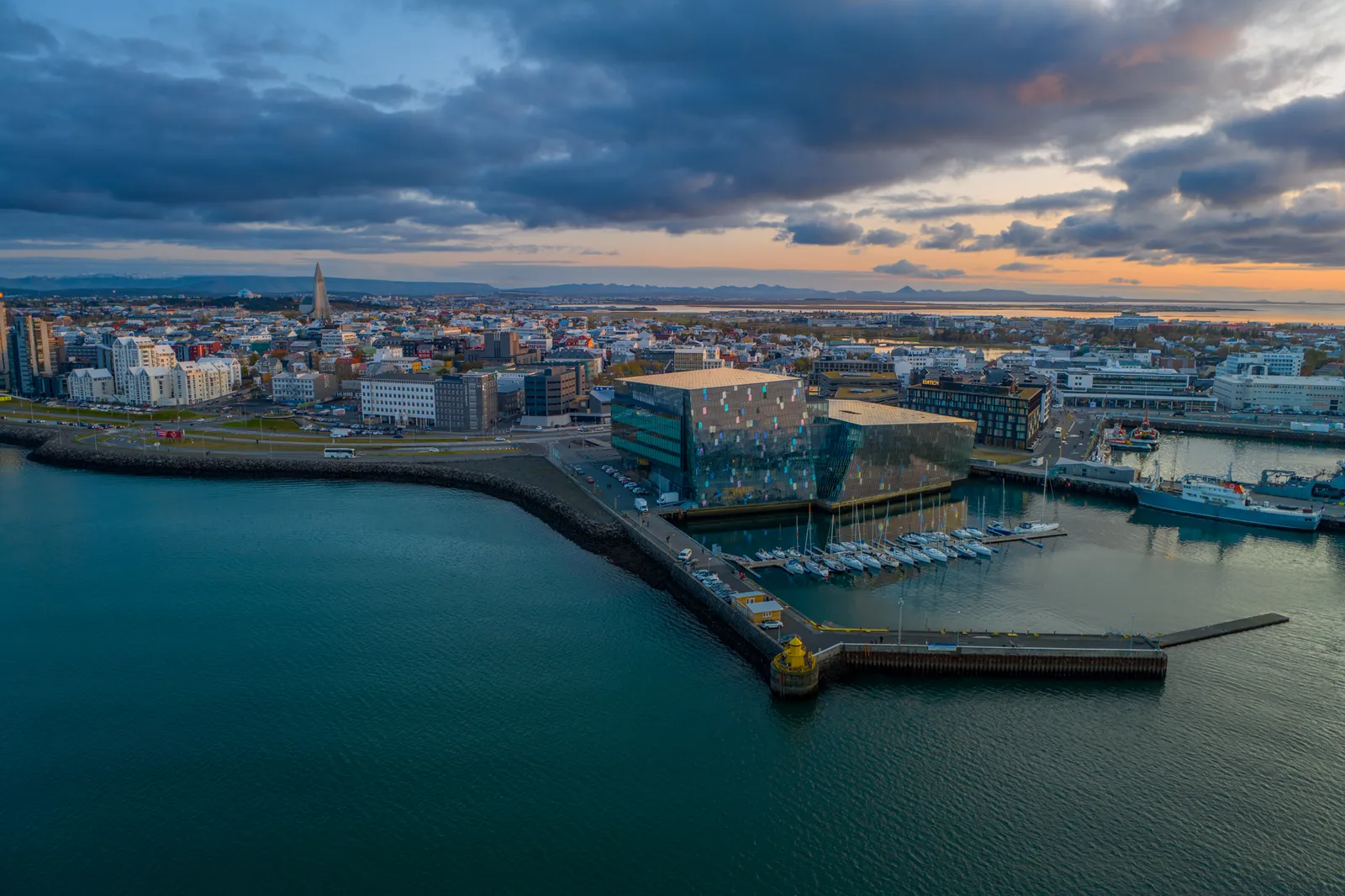
If you’ve been following the news from Iceland over the past few years, you’ve probably seen dramatic footage of glowing lava rivers, plumes of smoke, and even a town under threat. It’s enough to make any traveler pause and wonder: Is it really safe to visit? And what about Reykjavík, is the capital city at risk?
The short answer is yes, Iceland is absolutely safe to visit, and Reykjavík is not in danger from the volcanic activity you’ve been hearing about. But the longer answer is more interesting and worth understanding before you travel. Iceland is one of the most geologically extraordinary places on the planet, and knowing a little about how its volcanoes work will make your trip even better.
Why Is Iceland So Volcanic?
Iceland sits in an unusual spot on the globe, perched on top of the Mid-Atlantic Ridge, the underwater mountain chain where the North American and Eurasian tectonic plates slowly pull away from each other. As those plates drift apart, hot molten rock from deep within the earth rises to fill the gap. Iceland is essentially the result of millions of years of that process happening above sea level.
On top of that, Iceland sits over what geologists call a hotspot, a particularly intense upwelling of heat from the earth’s mantle. It’s a bit like having a blowtorch pointed at the underside of the island. The combination of these two forces makes Iceland one of the most volcanically active places on the planet, with around 30 volcanic systems and eruptions occurring somewhere on the island every few years on average.
That might sound alarming, but Iceland has been inhabited for over 1,000 years, and its people have learned to live alongside this geology in a remarkably practical way. The same heat that feeds the volcanoes also powers the country’s geothermal energy, heats its homes, and fills the hot springs that travelers come from all over the world to soak in.
What’s Been Happening on the Reykjanes Peninsula?
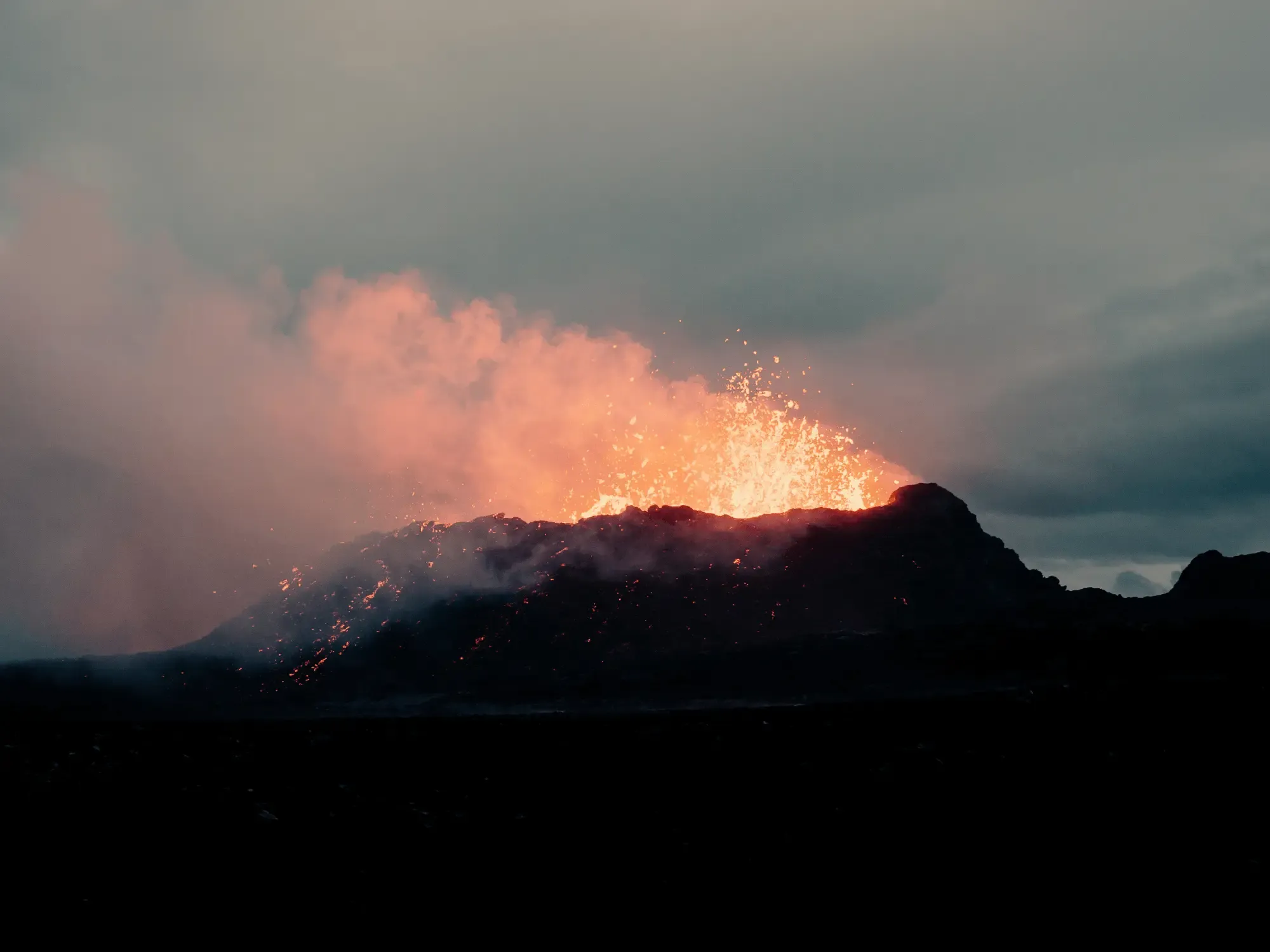
The eruptions you’ve likely seen in the news have been taking place on the Reykjanes peninsula, a rugged stretch of lava fields and geothermal activity that juts out to the southwest of Reykjavík. After roughly 800 years of quiet, the peninsula woke up volcanically in 2021 and has been intermittently active ever since.
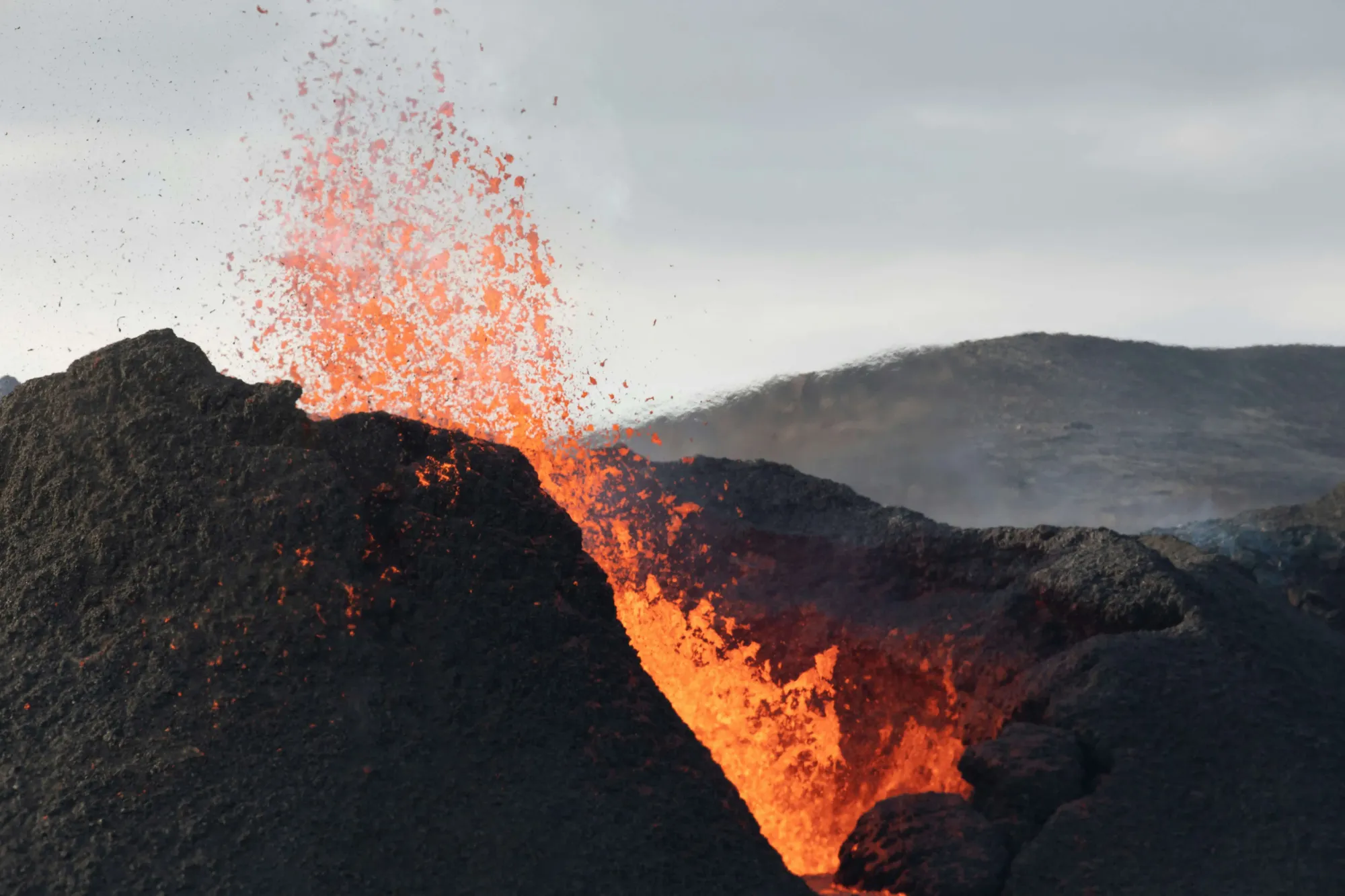
The first eruption, near a mountain called Fagradalsfjall, was actually celebrated by Icelanders and tourists alike as it produced slow-moving rivers of lava through an uninhabited valley. No one was in immediate danger. In fact, thousands of people hiked out to watch it safely from nearby hillsides. It was spectacular rather than dangerous. More eruptions followed in 2022 and 2023, each drawing crowds of interested visitors.
Things became more complicated in late 2023, when eruptive activity moved closer to the fishing town of Grindavík. Residents were evacuated as a precaution, and there was some damage to infrastructure on the outskirts of town. The Blue Lagoon, which sits nearby, also closed temporarily on several occasions. These were serious events for the local community, and Icelandic authorities handled them with the kind of calm efficiency that comes from long experience with volcanoes.
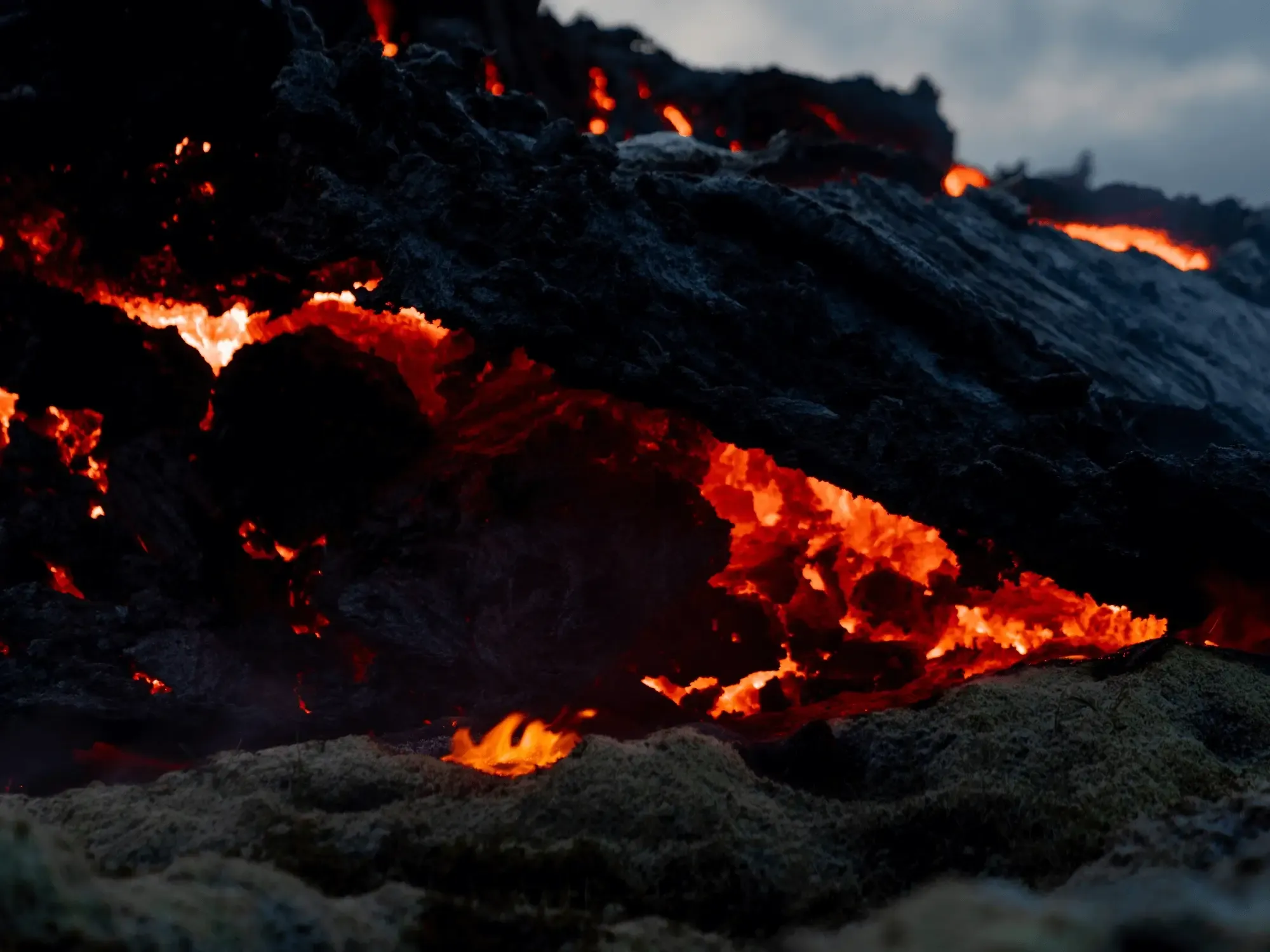
Importantly, these eruptions are what geologists call effusive, meaning they produce flowing lava rather than violent explosions. There is no giant mushroom cloud, no city-swallowing ash storm. The lava moves slowly enough that people can get out of its way, which is exactly what happened in Grindavík. The danger is real but manageable, and Iceland’s emergency systems are well designed to handle it.
So, How Close Is All This to Reykjavík?
The eruption zones near Grindavík and Fagradalsfjall are roughly 40 to 50 kilometers from Reykjavík, about the same distance as, say, driving from one end of a mid-sized American city to the other. The capital sits on older, more stable ground and is not positioned above any active volcanic system.
A Reykjavík volcanic eruption, meaning an eruption happening in or directly beneath the city, is not something scientists consider a realistic concern in the foreseeable future. The active fissure systems are to the southwest, in areas mostly covered by open lava fields. Iceland’s scientists at the Icelandic Meteorological Office track tremors and ground shifts across the country in real time, and Reykjavík shows no signs of the kind of underground activity that would precede an eruption.
Iceland Knows What It’s Doing
One thing that genuinely sets Iceland apart from other volcanically active regions is how seriously the country takes preparedness. The Icelandic Met Office monitors seismic activity around the clock, and public warnings go out quickly when conditions change. Evacuation procedures are followed, roads are closed when necessary and reopened when scientists confirm it is safe, and tourists are never left to figure out hazardous situations on their own.
The response to the Grindavík eruptions is a good example. Despite lava reaching the edge of a populated town, there were no fatalities from the flows themselves. That is not luck; it is the result of serious planning and a population that takes volcanic risk seriously without being paralyzed by it.
For visitors, this means you are in good hands. If an eruption is happening somewhere accessible, you can trust that the access roads are safe, the viewing areas are monitored, and someone knowledgeable is keeping an eye on conditions. Iceland does not play fast and loose with tourist safety.
Should You Still Come to Iceland?
Absolutely! Iceland draws millions of visitors every year, and the recent volcanic activity has not changed that. If anything, it has added to the country’s appeal. Keflavik International Airport, which sits right on the Reykjanes peninsula, has continued operating normally throughout all of the recent eruptions, with only a handful of very brief disruptions due to atmospheric conditions.
Many travelers who had been to Iceland before the 2021 eruptions say that the lava fields have added a completely new dimension to the experience. There is something deeply moving about standing near molten rock emerging from the earth; it puts the age of the planet into perspective in a way that photographs simply cannot. Iceland was already extraordinary, but the eruptions have made it even more so.
See It All Safely with Volcano Express
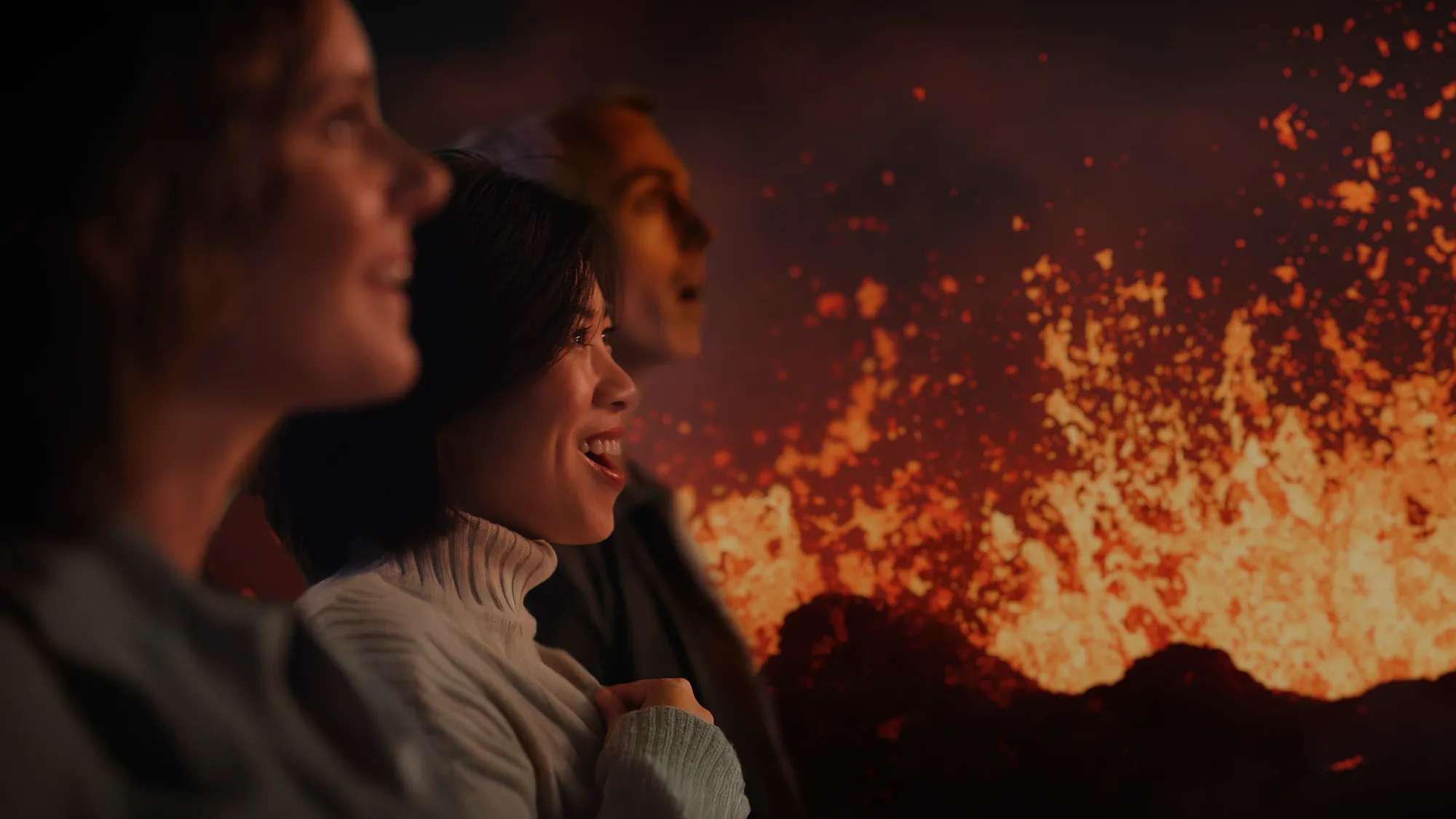
If you want to experience Iceland’s volcanic landscape up close, rather than just reading about it, Volcano Express is the way to do it. The experience is a 4K film about Iceland’s volcanic landscape presented on a large-format screen with immersive sound. It’s long enough to actually feel like an experience, and short enough that nobody loses interest. There is no fidgeting through a 45-minute documentary.
Iceland’s volcanoes are not something to be afraid of. They are something to be curious about. Come and see them for yourself. Reykjavík is safe. Iceland is open. And its volcanoes are waiting to be explored, with Volcano Express by your side.
This article is part of our complete guide: Volcanic Science & Iceland Geology.