


Published April 2026 · Last updated: April 2026
Iceland summer, June through August, is the season when most of the country becomes accessible for the first time. The highland F-roads open, the Midnight Sun delivers 24-hour daylight, whale watching peaks, and the landscape turns from winter white to vivid green and gold. This guide covers the essential activities, the practical logistics, and what first-time and returning visitors should know before they go.
What Are the Summer Months in Iceland?
Iceland's meteorological summer runs from June through August. This is the period of maximum daylight, full access to highland roads, and the warmest average temperatures.
June brings the Midnight Sun and the opening of F-roads, but some highland routes remain snowbound early in the month. July is the warmest and most reliable month, with the widest range of activities fully open. August sees the first hints of autumn colour in the highlands and slightly longer nights, while remaining warm and largely dry. According to the Icelandic Meteorological Office, average July temperatures in Reykjavík reach around 12°C, with occasional warmer spells reaching 20°C or above.
Is Iceland Worth Visiting in Summer?
Yes — summer is Iceland's most accessible season, offering the widest range of activities, the best road conditions, and the unique experience of the Midnight Sun. It is also peak season, meaning higher prices and the need to book accommodation and popular tours months in advance.
Iceland summertime combines several experiences unavailable at other times of year: hiking multi-day trails, driving the full Ring Road (Route 1), accessing Vatnajökull National Park's interior, and watching puffins on sea cliffs along the south and west coasts. The trade-off is crowds at the most popular sites — Jökulsárlón Glacier Lagoon, the Golden Circle, and Seljalandsfoss waterfall all see their highest visitor numbers in July and August. Arriving early at major sites (before 9:00) or planning around shoulder dates in June or late August significantly improves the experience.
Iceland Summer Weather and Temperatures
Iceland summer weather in Reykjavík averages 10–13°C from June to August, with July the warmest month and persistent wind the defining challenge rather than cold. Rain can occur on any day, and conditions change quickly — layering is more important than packing for heat.
Iceland summer temperatures vary significantly by region. The south coast, where most major attractions sit, is wetter and windier than the north and east. The interior highlands are colder, often reaching near-freezing at night even in July. For iceland summer holiday packing, the essentials are:
Windproof and waterproof outer layer — non-negotiable regardless of forecast
Thermal mid-layer for highland areas and glacier excursions
Sturdy waterproof boots for hiking on uneven lava and wet trails
Sunglasses and a buff or neck gaiter — the wind off the glaciers is cold even when the sun is directly overhead
Iceland During Summer: Best Activities by Category
Iceland during summer offers a range of activities split between outdoor adventure, geological exploration, and cultural experiences — the majority of which require no specific skill level and are accessible to first-time visitors.
Drive the Ring Road
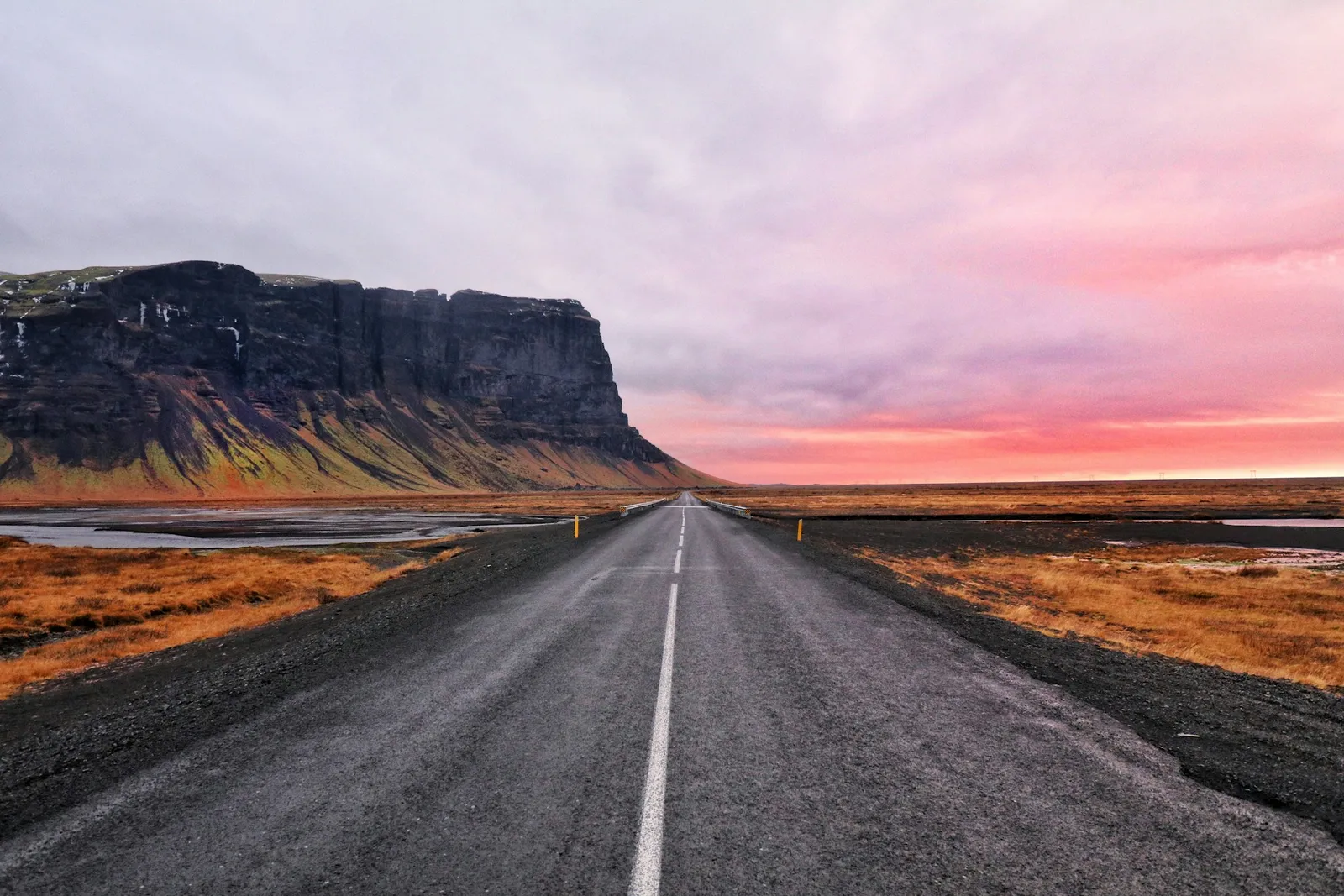
Ring Road (Route 1) circles the entire island — 1,332 kilometres — and is fully driveable in summer without a 4WD. The most popular segment is the south coast between Reykjavík and Jökulsárlón Glacier Lagoon, passing Seljalandsfoss, Skógafoss, the black sand beach at Reynisfjara, and the entrance to Vatnajökull National Park at Skaftafell. Allow a minimum of 7–10 days for the full circuit; the south coast alone makes a compelling 3–4 day road trip.
Hike the Laugavegur Trail
The Laugavegur Trail runs 55 kilometres from Landmannalaugar — Iceland's most famous geothermal highland bathing area — to Þórsmörk. The trail is walkable June through September and passes through rhyolite mountains, snowfields, lava formations, and river crossings with no bridges. Hut bookings for the route sell out months in advance; most hikers allow 4–5 days. Landmannalaugar itself is accessible by 4WD or highland bus and is worth a day visit even without the full trail.
Explore the Golden Circle
The Golden Circle day-trip circuit from Reykjavík covers three of Iceland's most significant sites:
- Þingvellir National Park — UNESCO World Heritage Site where the Mid-Atlantic Ridge creates a visible rift valley between the North American and Eurasian tectonic plates, walkable on foot along the Almannagjá gorge
- Geysir — the geothermal field where Strokkur geyser erupts every 5–10 minutes
- Gullfoss waterfall — a two-tiered waterfall on the Hvítá river, one of Iceland's most photographed natural features
Watch Whales and Puffins
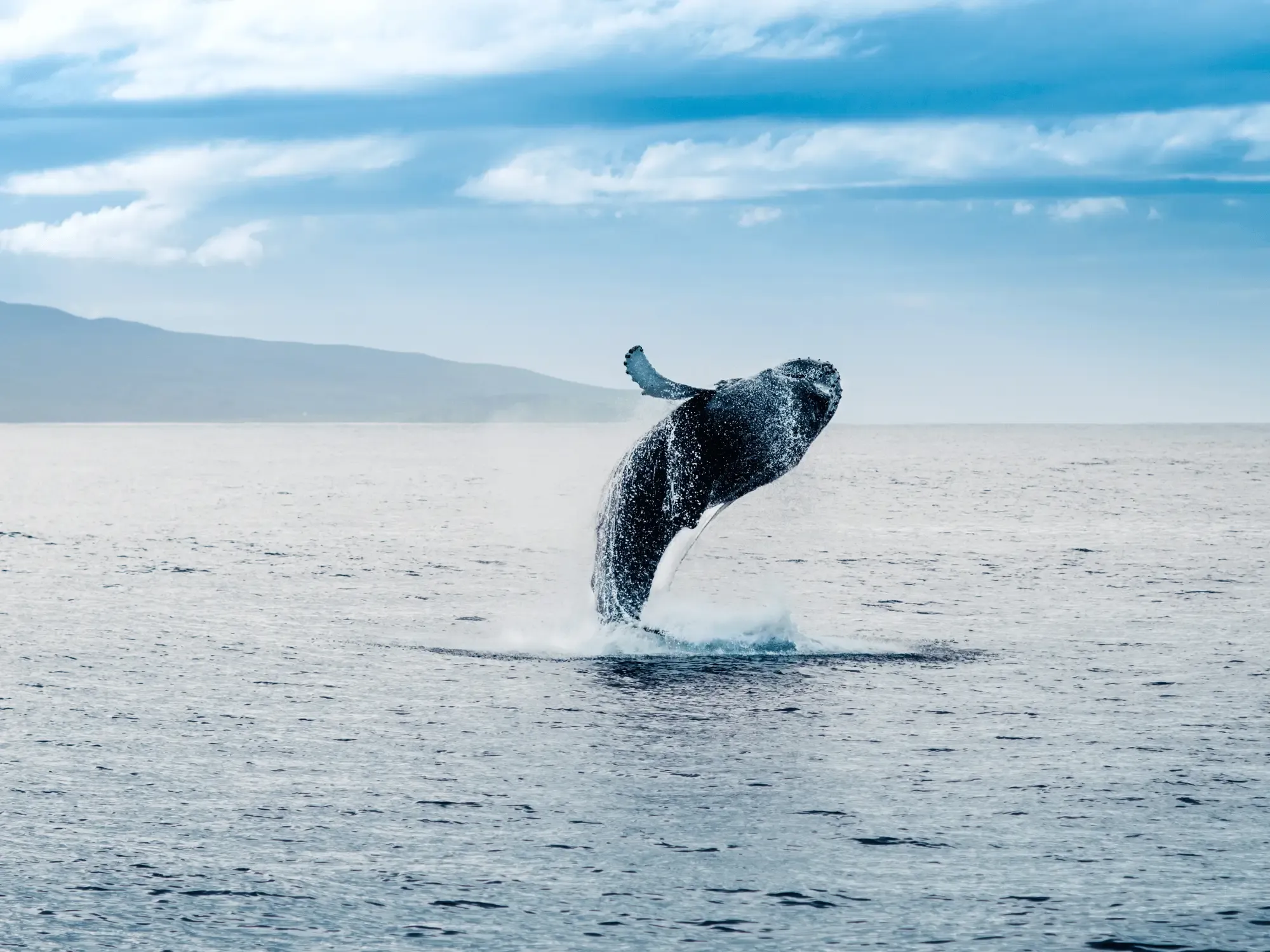
Whale watching from Húsavík on the north coast is widely regarded as the most reliable location in Iceland, with humpback and minke whales feeding in Skjálfandi Bay through the summer months. Reykjavík's old harbour also offers whale watching departures, with shorter journey times. Puffins nest in large colonies on sea cliffs at Látrabjarg in the Westfjords, on Heimaey island in the Westman Islands, and along the south coast near Vík — all accessible in summer and generally not in other seasons.
Sail Among Icebergs at Jökulsárlón
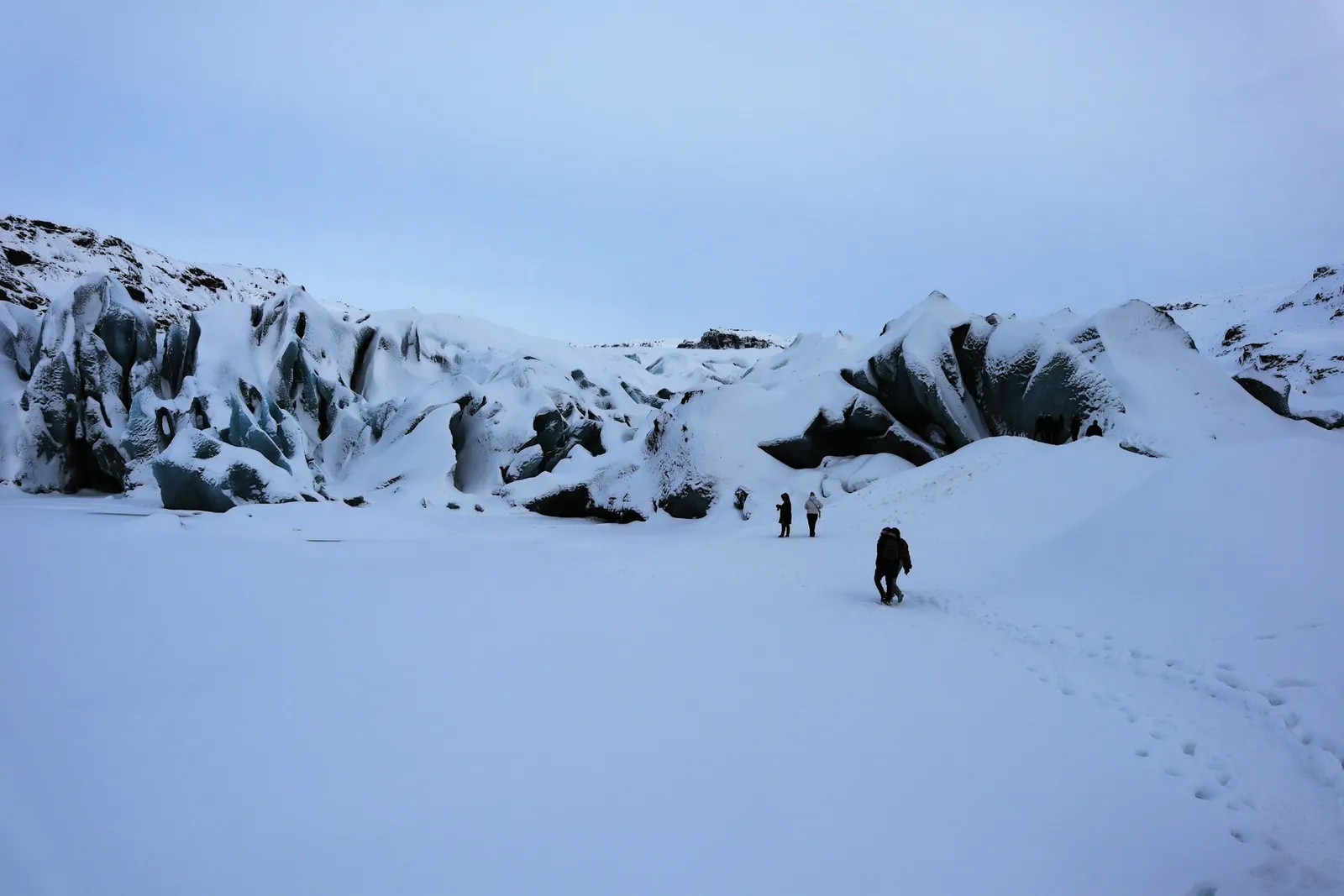
Jökulsárlón Glacier Lagoon sits at the edge of Vatnajökull — Europe's largest glacier by area, according to Visit Iceland — where calving icebergs drift into a deep lagoon before reaching the sea. Boat tours on the lagoon run in summer only and offer close proximity to blue-white ice formations that can reach several metres in height. The nearby Diamond Beach, where icebergs wash ashore onto black sand, requires no tour and is accessible year-round.
Can You Walk Between Two Tectonic Plates in Iceland?
Yes — at Þingvellir National Park, roughly 45 kilometres east of Reykjavík, you can walk through the Almannagjá rift valley between the North American and Eurasian tectonic plates, which diverge here at approximately 2.5 centimetres per year.
Þingvellir is the only place on Earth where the Mid-Atlantic Ridge is accessible on foot on dry land. The rift appears as a dramatic canyon with cliffs reaching up to 40 metres. In summer, the site is lush with vegetation, clear rivers, and the atmospheric ruins of Iceland's ancient parliament — the Alþingi, established in 930 AD. Þingvellir is also one of the best snorkelling and diving sites in the world: Silfra, the fissure between the plates, is filled with glacial meltwater so clear that visibility extends up to 100 metres. Guided diving and snorkelling tours operate in summer.
The Reykjanes Peninsula in Summer: Volcanic Landscape and the Blue Lagoon
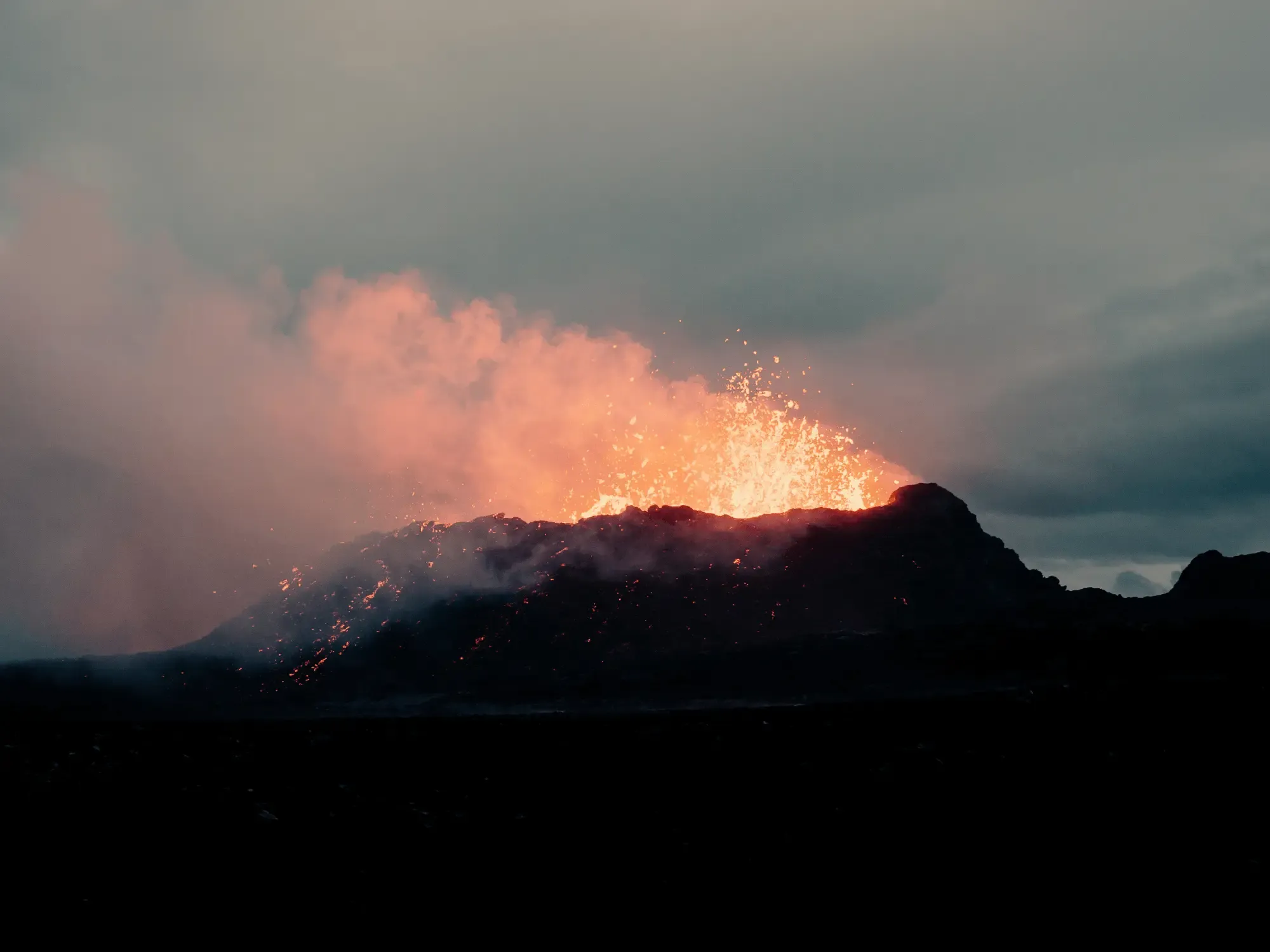
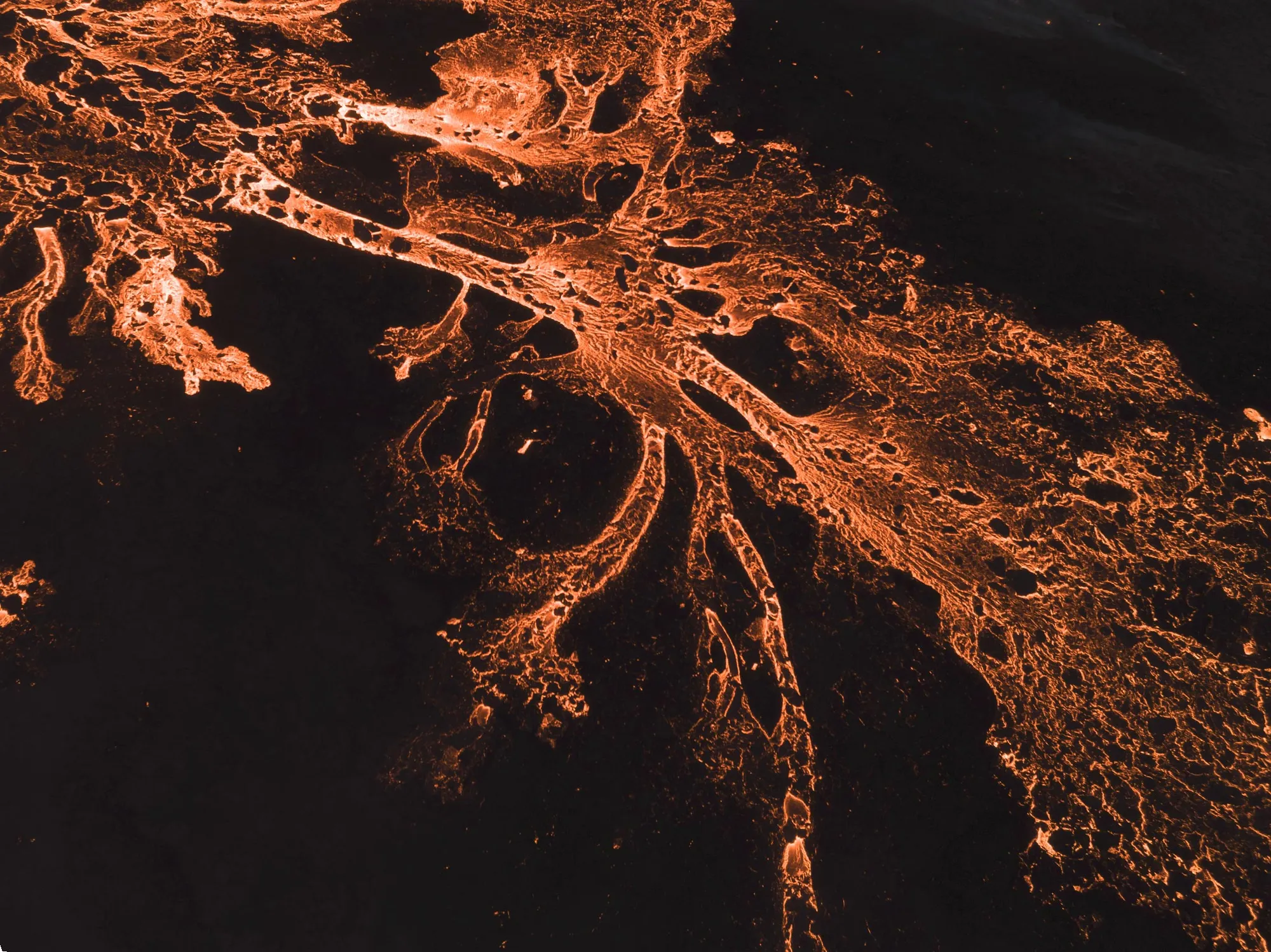
The Reykjanes Peninsula southwest of Reykjavík is Iceland's most actively volcanic zone in 2026, having produced multiple fissure eruptions since 2021. Lava field access for summer visitors depends on the current eruptive phase — check almannavarnir.is for eruption alerts and road conditions before travelling to the area. The Blue Lagoon geothermal spa, which sits approximately 3 kilometres from the active vent area near Grindavík, has temporarily closed multiple times due to volcanic activity; check bluelagoon.is for current operational status before including it in your itinerary.
Start Your Summer Iceland Experience at Harpa
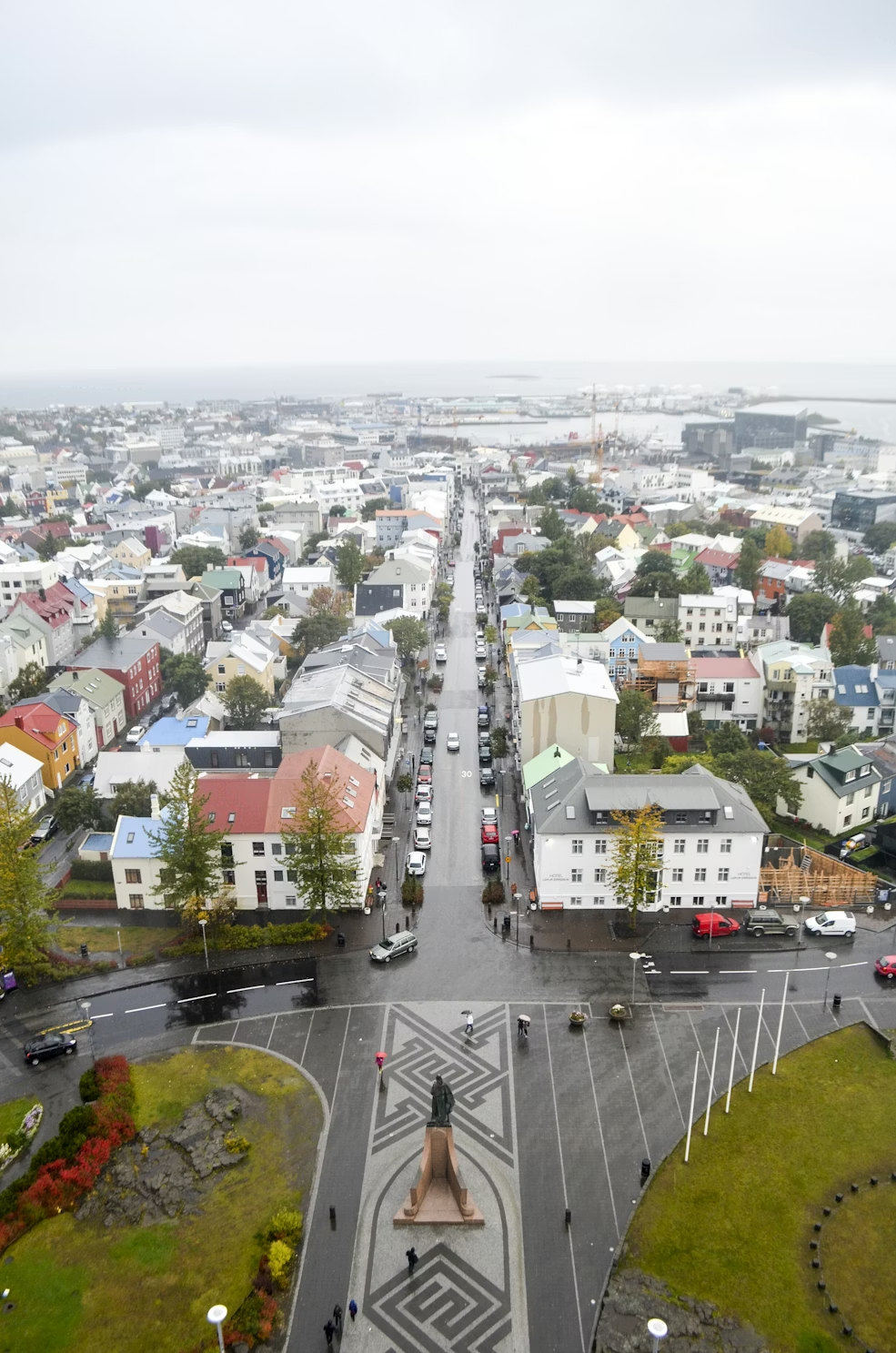
Whatever your summer Iceland itinerary — Ring Road, highlands, south coast, or a few days in Reykjavík — Harpa Concert Hall on the waterfront at Austurbakki 2 is the natural anchor for your first afternoon. Volcano Express, inside Harpa, is a cinematic volcano experience as close as you'll get to an active volcano from the safety of the capital. The included self-guided pre-show area covers live eruption footage, an interactive eruption map, a live earthquake monitor, and the Instacrater photo experience — then the 10-minute ride with real heat and dynamic motion seating physically replicates the force of the geological eruptions shaping the Reykjanes landscape you'll see on the drive south. Shows start every 15 minutes, daily 10:00–20:00, fully weather independent and family-friendly — the geological context that changes how you read everything outside.
This article is part of our complete guide: Reykjavík Itineraries & Attractions.