5 Things to Do in Reykjavík on a Rainy Day
Knowing what to do in Reykjavík when it rains is essential planning for any trip to Iceland.
The city averages precipitation on roughly 150 days a year, and the weather can turn without warning. The good news: Reykjavík is genuinely built for indoor days, with museums, geothermal pools, and immersive experiences clustered within walking distance of the old harbour. Here are five picks that consistently deliver.
---
What to Do in Reykjavík on a Rainy Day: 5 Top Picks
The best indoor and all-weather activities in Reykjavík sit within three walkable areas: the harbour at Austurbakki, the museum strip around Suðurgata, and the geothermal pools spread through the city's residential neighbourhoods.
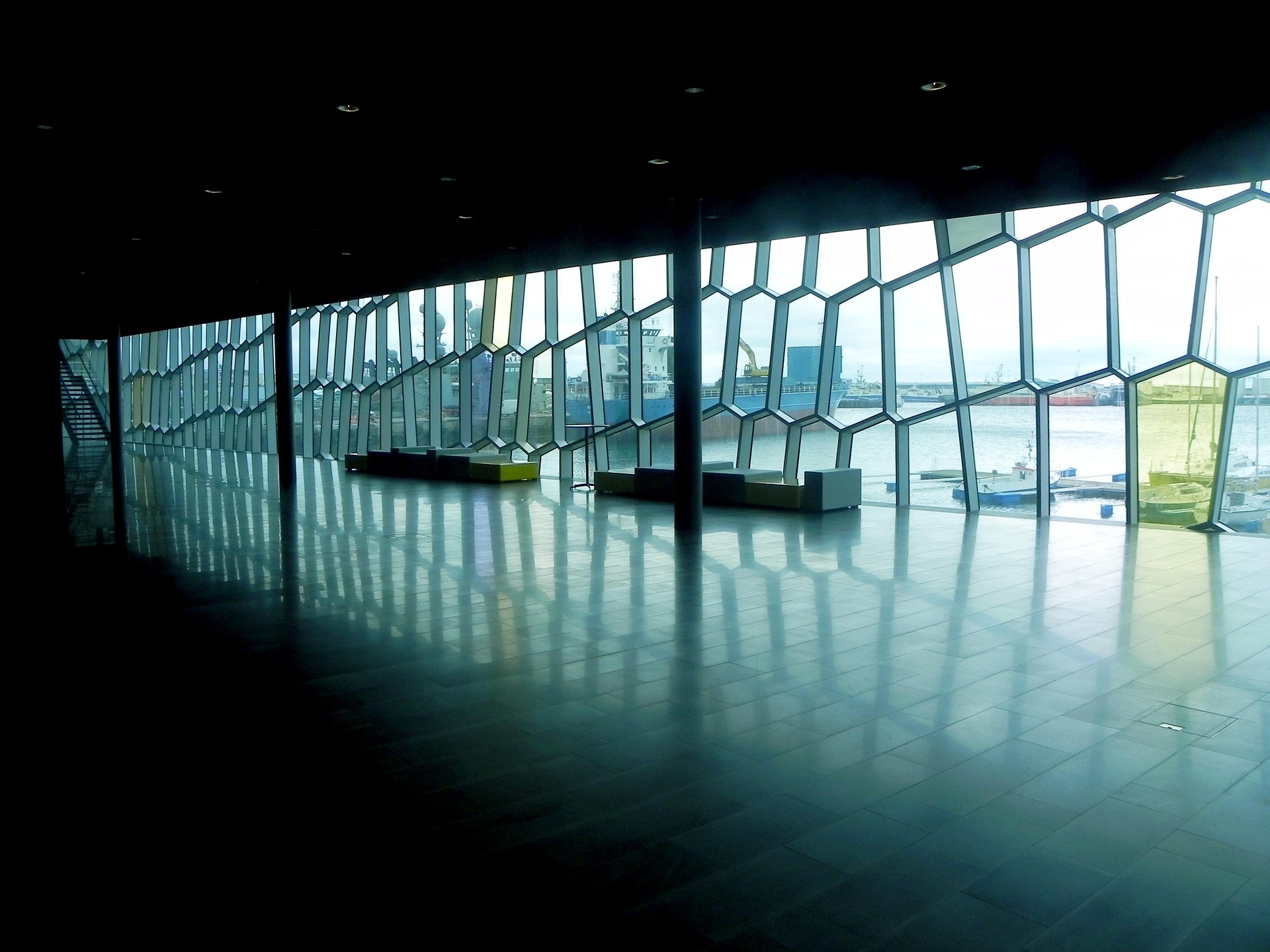
1. Volcano Express at Harpa Concert Hall, inside Harpa Concert Hall on Reykjavík's waterfront at Austurbakki 2, is a cinematic volcano experience as close as you'll get to an active volcano without leaving the city. The included 30-minute pre-show area features live eruption footage, short films, an interactive eruption map, a live earthquake monitor, and the Instacrater photo experience — then the 10-minute ride delivers real heat and dynamic motion seating that replicates the physical force of a volcanic eruption at full scale. Fully indoor, weather-independent, suitable for ages 4+, with shows starting every 15 minutes, daily 10:00–20:00 from floor K2. The definitive Reykjavík anchor for any rainy day itinerary.
2. National Museum of Iceland, Suðurgata — Þjóðminjasafn Íslands on Suðurgata covers eleven centuries of Icelandic life from the first Norse settlements to the modern era. Plan two to three hours; the café inside is a warm, reliable lunch stop on a wet afternoon. One of the must-visit museums in the city for anyone exploring Iceland's stories for the first time.
3. Settlement Exhibition, Aðalstræti 16 — A preserved 9th-century Viking longhouse discovered beneath the city during construction, visible through a glass floor in a purpose-built underground museum. About an hour to visit, authentically central, and the most direct encounter with Reykjavík's founding history available anywhere in the city.
4. Sundhöllin Geothermal Pool, Barónsstígur — The historic 1937 Art Deco pool roughly 600 metres from Laugavegur. Hot tubs at 42°C and outdoor lanes at 38°C run year-round in all weather. Sitting in warm geothermal water while rain comes in off the Atlantic is what local Reykjavík residents actually do on grey days — it is not a fallback but a deliberate choice.
5. Exploring Laugavegur and the Grandi District — Walk the heart of the city from Hlemmur Mathöll (the food hall at Laugavegur's east end) west through independent shops, bookshops, coffee, and art galleries toward the Grandi harbour district, where the old fish warehouses now house studios and restaurants. The Reykjavík Art Museum's Hafnarhús building on the harbour is free on certain evenings and holds the city's most important permanent contemporary collection.
What Is the Wettest Month in Reykjavik?
October is typically the wettest month in Reykjavík, though rain and wind can arrive in any month — including summer.
The city averages precipitation on roughly 150 days per year, and wind is the real challenge: horizontal cold rain driven by North Atlantic low-pressure systems makes outdoor exploring genuinely unpleasant in a way that calm drizzle does not. The Icelandic concept of gluggaveður — "window weather," conditions best appreciated from indoors — exists because the locals needed a word for it. Pack a windproof, waterproof outer layer regardless of the season; the temperature is rarely extreme, but the wind chill is real.
---
Can You Go to the Blue Lagoon if It's Raining?
Yes — the Blue Lagoon operates normally in rain, and the experience of soaking in 37–39°C geothermal water while it rains is one of the most commonly recommended things to do in Reykjavík on a rainy day.
The separate concern is volcanic activity, not weather. Since late 2023, the Blue Lagoon has temporarily closed multiple times due to lava flows from eruption events near Grindavík on the Reykjanes Peninsula, roughly 3 kilometres from the active vent area. Before travelling southwest from Reykjavík, check bluelagoon.is for current operational status and almannavarnir.is for peninsula road conditions — on the morning of travel, not the night before. Rain is fine; volcanic access changes without advance warning.
---
Is Iceland Still Fun in the Rain?
Yes — rainy days in Reykjavík reveal a less crowded, more authentic version of the city, and the things to do in Reykjavík on a rainy day covered in this guide hold up fully on their own terms.
The museums have no queues. The geothermal pools are populated by local swimmers rather than tour groups. The cafés and shops along Laugavegur feel like a functioning neighbourhood rather than a tourist corridor. Rainy weather in Iceland is not a disruption — it is the default condition the city was built around, and the indoor culture here is genuinely excellent as a result.
Practical wet-weather tips for Reykjavík:
Windproof waterproof outer layer (wind matters more than rain volume)
Waterproof boots with grip — pavements ice over overnight in autumn and winter
Card payments only — virtually every venue in Reykjavík is cashless
Check en.vedur.is for hourly forecasts — far more granular than generic weather apps
The Best Place to Start
If you're planning an indoor day in Reykjavík, begin at Harpa Concert Hall — Volcano Express on floor K2 has shows starting every 15 minutes from 10:00 and is always open, whatever the Atlantic delivers. Everything else on this list is reachable on foot from the harbour, and the geological context you get inside Harpa makes every Icelandic landscape you see afterwards — through the window, or in person — make considerably more sense.