

Interactive Exhibits Reykjavik: Complete 2026 Guide

Jun 8, 2026
Fred Johnson

Last updated: May 2026

Reykjavik hosts some of northern Europe's most distinctive interactive exhibits, concentrated within 1.5 km of each other across the 101 district and the Old Harbour (Grandi). The Settlement Exhibition (Landnámssýningin) presents a 10th-century Viking longhouse excavation with digital overlays and touchscreen displays. Harpa Concert Hall houses a cinematic volcano experience on floor K2. The National Museum of Iceland covers 1,100 years of Icelandic culture with hands-on displays throughout.

Key takeaways

  • Settlement Exhibition (Landnámssýningin) at Aðalstræti 16 is built over a Viking longhouse dated to approximately 930 AD — one of the oldest human structures found in Iceland
  • Volcano Express at Harpa Concert Hall runs year-round daily 10:00–20:00, with shows every 15 minutes, suitable for ages 4 and up
  • The Reykjavik City Card covers admission to most interactive museums in the city plus unlimited geothermal pools — available in 24, 48, and 72-hour versions
  • Reykjavik Maritime Museum (Víkin — Sjóminjasafn Reykjavíkur) at Grandagarður 8 includes the boardable decommissioned coast guard vessel Óðinn
  • Iceland's capital is the world's northernmost sovereign state capital, according to Visit Reykjavík

What are the best interactive exhibits in Reykjavik city?

The best interactive exhibits in Reykjavik city are the Settlement Exhibition (Landnámssýningin), Volcano Express at Harpa Concert Hall, the National Museum of Iceland (Þjóðminjasafn Íslands), the Reykjavik Art Museum — Hafnarhús, and the Reykjavik Maritime Museum (Víkin). All five operate year-round within the town centre, within 1.5 km of each other, and are accessible on foot from any central hotel.

As of 2026, the Reykjavik City Card remains the most cost-effective way to cover multiple interactive venues in a single day. It includes free admission to the Settlement Exhibition, both Reykjavik Art Museum branches, the National Museum, the Maritime Museum, and Árbæjarsafn, plus unlimited access to the city's geothermal pools and free travel on Strætó city buses. For a complete breakdown of every indoor venue by district and age group, The Ultimate 2026 Reykjavik Indoor Guide covers each option with practical visit-planning details.

Settlement Exhibition: Iceland's Most Interactive Museum

Settlement Exhibition (Landnámssýningin) at Aðalstræti 16 is built directly over a Viking-age longhouse excavated in 2001, dated to approximately 930 AD. The museum presents the excavation in situ beneath a glass walkway, with digital reconstructions projected overhead and touchscreen displays at every station. The longhouse is one of the oldest human structures found in Iceland. The museum sits beneath street level in the 101 district and takes approximately 45–60 minutes to complete. Admission is included in the Reykjavik City Card.

Harpa Concert Hall and the Waterfront Circuit

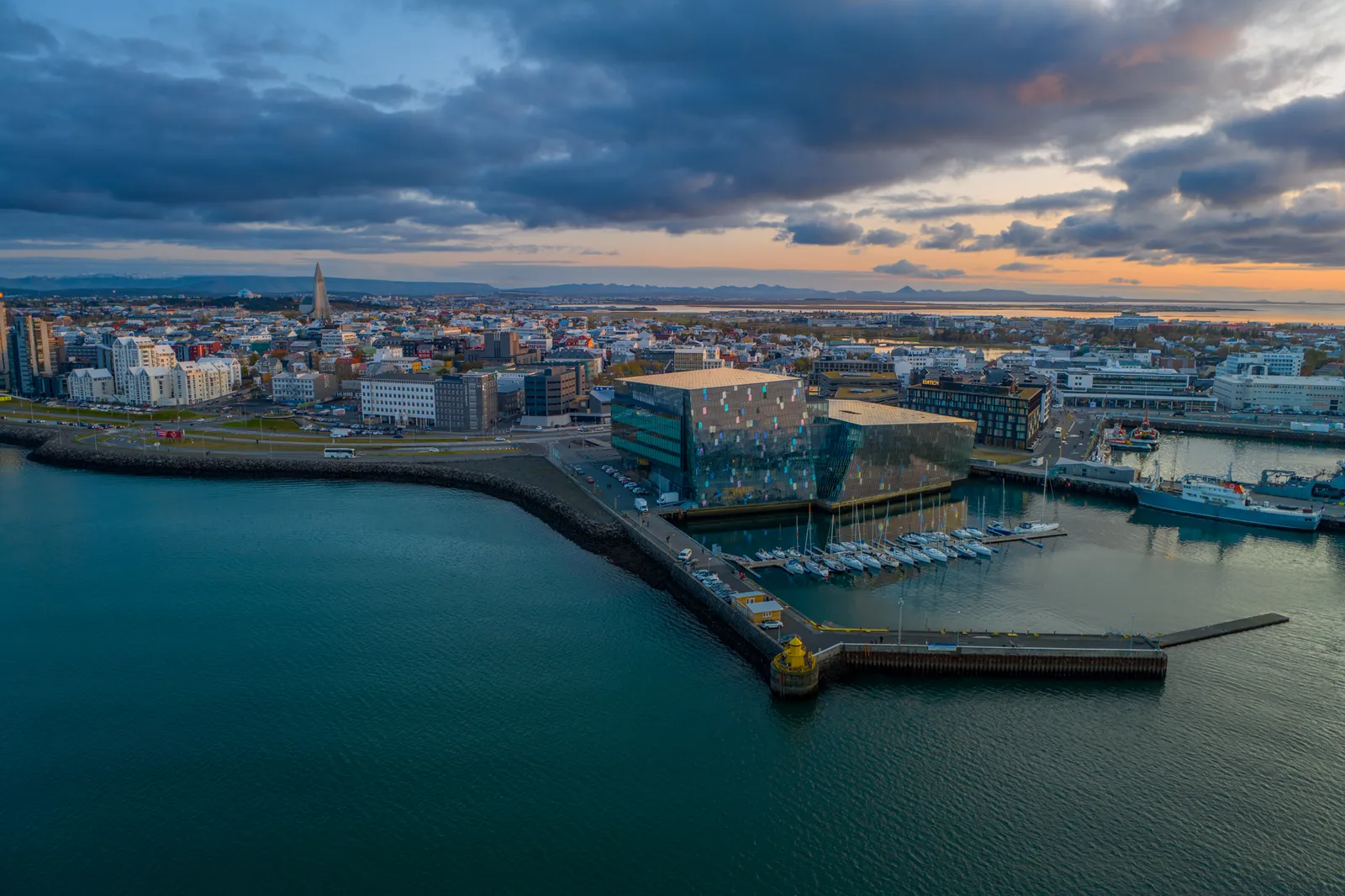
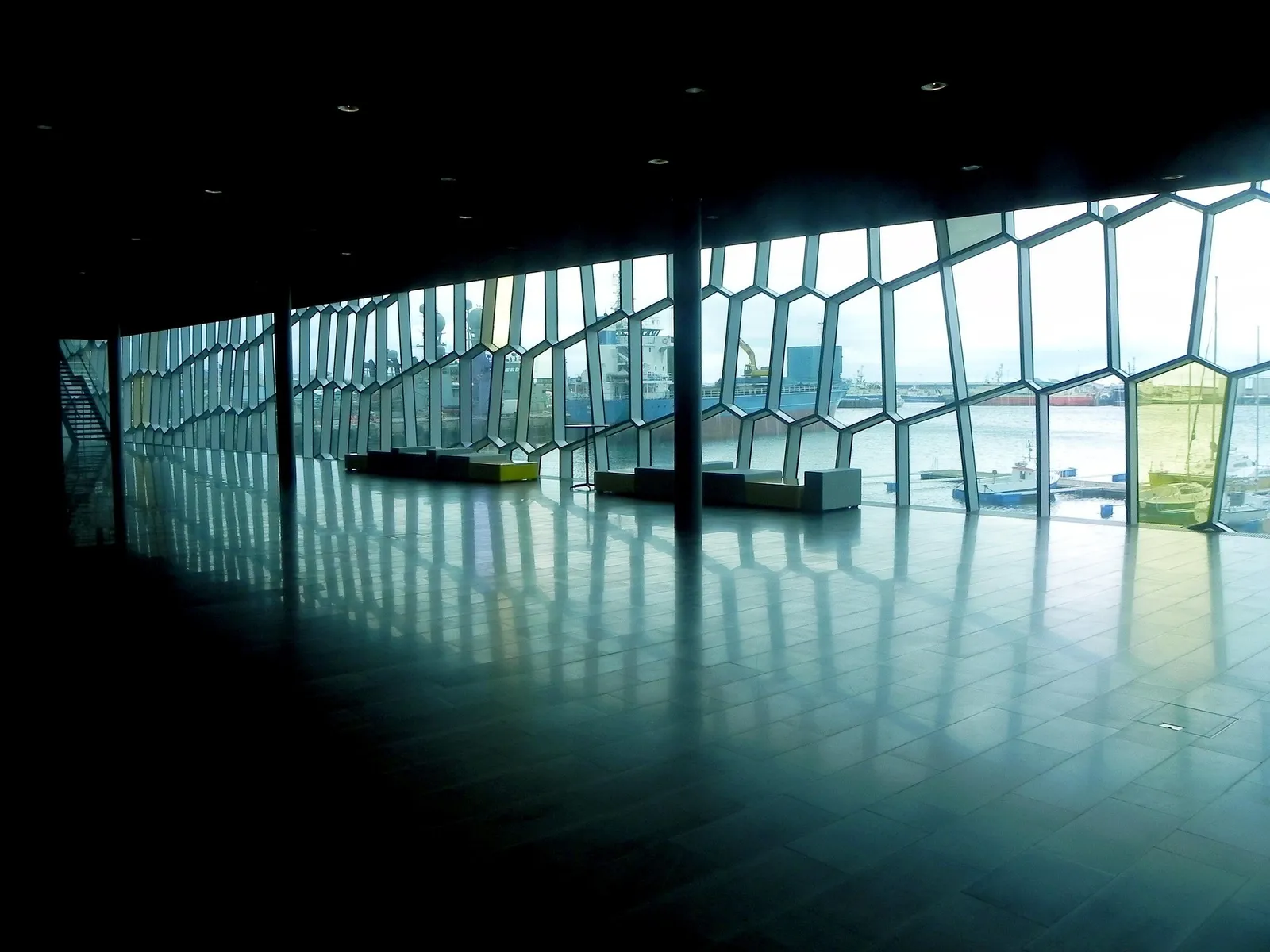
Harpa Concert Hall at Austurbakki 2 is free to enter at street level. The building's geometric glass-and-steel façade — designed by artist Ólafur Elíasson in collaboration with Henning Larsen Architects — responds to natural light continuously, creating a changing visual surface visible from anywhere on the waterfront. The Sun Voyager (Sólfar) stands approximately 400 metres east along the waterfront path — a stainless-steel Viking-ship sculpture that is free to view year-round and one of the most-photographed public artworks in the iceland capital reykjavik.

Reykjavik Art Museum — Hafnarhús and the 101 Street Art Circuit

Reykjavik Art Museum — Hafnarhús at Tryggvagata 17 specialises in participatory installation art. The permanent collection includes a substantial body of work by Icelandic pop artist Erró. The 101 district street art walking circuit begins one block north — a self-guided route through large-scale murals and outdoor installations covering approximately 2 km. The museum and the walking circuit together form the city's strongest interactive art cluster.

Árbæjarsafn: Seasonal Living History

Árbæjarsafn (Reykjavík Open Air Museum) at Kistuhylur 4 operates as a living-history site with original 19th and early-20th-century turf houses and farm structures. The full interactive programme — costumed guides, craft demonstrations, and farm animals — runs from May through September. Outside that window, the site is open with reduced hours and without seasonal demonstrations. Árbæjarsafn is 6 km east of the city centre; Reykjavik City Card holders travel free on city buses to reach it.

Is Reykjavik Iceland expensive?

Iceland's capital is one of Europe's more expensive cities, with restaurant meals, accommodation, and activities priced above western European averages. A mid-range restaurant meal for two costs approximately 15,000–25,000 ISK. Geothermal pools charge a flat admission of approximately 1,000 ISK per person. The Reykjavik City Card reduces per-museum costs significantly for visitors covering multiple venues in a single day.

Several high-quality interactive experiences in the city carry no admission fee. The Harpa Concert Hall atrium is free to enter and architecturally among the most striking indoor spaces in northern Europe. The Sun Voyager (Sólfar) sculpture is free year-round. The 101 district street art circuit is free and self-guided. Tjörnin city lake — a 5-minute walk from the National Museum — is free and open year-round. The Hlemmur Mathöll food hall on on Floor K2 of Harpa Concert Hall, east-harbour-side Reykjavík serves Icelandic food at lower per-meal costs than sit-down restaurants in the same area. Geothermal swimming at Laugardalslaug or the central Sundhöllin pool on Barónsstígur provides authentic cultural immersion at a flat low-cost admission.

Free and low-cost interactive experiences in the city:

  • Harpa Concert Hall atrium — free entry; architecturally interactive; café and bookshop on site
  • Sun Voyager (Sólfar) — free; year-round; waterfront
  • 101 district street art walk — free; self-guided; approximately 2 km
  • Tjörnin city lake — free; central; year-round
  • Hallgrímskirkja — church free to enter; tower lift carries a modest per-person fee
  • Mount Esja (Esja) — free to hike; Iceland's most-climbed mountain; accessible by city bus

Is 3 days in Reykjavik enough?

Three days in the city covers the core interactive exhibits, one full-day trip to the surrounding iceland reykjavik landscape, and the main waterfront and harbour walking districts. Day one centres on the Settlement Exhibition, the National Museum of Iceland, and Harpa Concert Hall. Day two covers a Golden Circle self-drive: Þingvellir National Park, the Geysir geothermal area, and Gullfoss waterfall — approximately 300 km and 7–9 hours. Day three covers the Old Harbour (Grandi)Reykjavik Art Museum Hafnarhús, Víkin Maritime Museum, and a geothermal pool visit.

A two-night stay covers the core interactive museums and one half-day outdoor excursion. Four nights adds Árbæjarsafn open-air museum, a Blue Lagoon stop, or a drive through the Reykjanes Peninsula volcanic landscape. The Blue Lagoon has temporarily closed multiple times during the peninsula's active volcanic cycle since 2021 — check bluelagoon.is for current operational status before including it in a trip plan. The Icelandic Met Office publishes live conditions for the peninsula and wider Iceland at en.vedur.is.

Three-day itinerary — interactive exhibit focus:

  • Day 1 — Town centre: Settlement Exhibition (Aðalstræti 16) → National Museum of Iceland (Suðurgata 41) → Harpa Concert Hall — Volcano Express (floor K2) → Sun Voyager waterfront walk
  • Day 2 — Day trip: Golden Circle self-drive — Þingvellir (Mid-Atlantic Ridge rift valley) → Geysir area (Strokkur erupts to 20 metres every 5–7 minutes) → Gullfoss waterfall
  • Day 3 — Old Harbour: Reykjavik Art Museum Hafnarhús (Tryggvagata 17) → Víkin Maritime Museum — board the Óðinn (Grandagarður 8) → Laugardalslaug geothermal pool

Do people speak English in Reykjavik?

English is spoken universally in all tourist-facing businesses, museums, hotels, and restaurants across the city. The EF English Proficiency Index consistently places Iceland in the world's top tier of non-native English-speaking countries. All interactive exhibits in the city provide English-language displays, audio guides, and staff interpretation as standard. Icelandic is the national language and the primary language of all signage, but no visitor requires Icelandic to navigate any public or tourist-facing setting.

Visitors arriving via Keflavik International Airport (KEF) — 50 km southwest of the city — find all airport communications, transfer services, and ground transport fully bilingual in the kef reykjavik keflavik corridor. The journey from KEF to the reykjavik town centre takes approximately 45 minutes by the Flybus or 60–90 minutes by rental car in peak season. The Reykjavik City Card website and purchase process operate fully in English. Northern lights forecasts from the Icelandic Met Office are published in English at en.vedur.is alongside the Icelandic-language versions.

Where can I safely experience Iceland's volcanoes from Reykjavík?

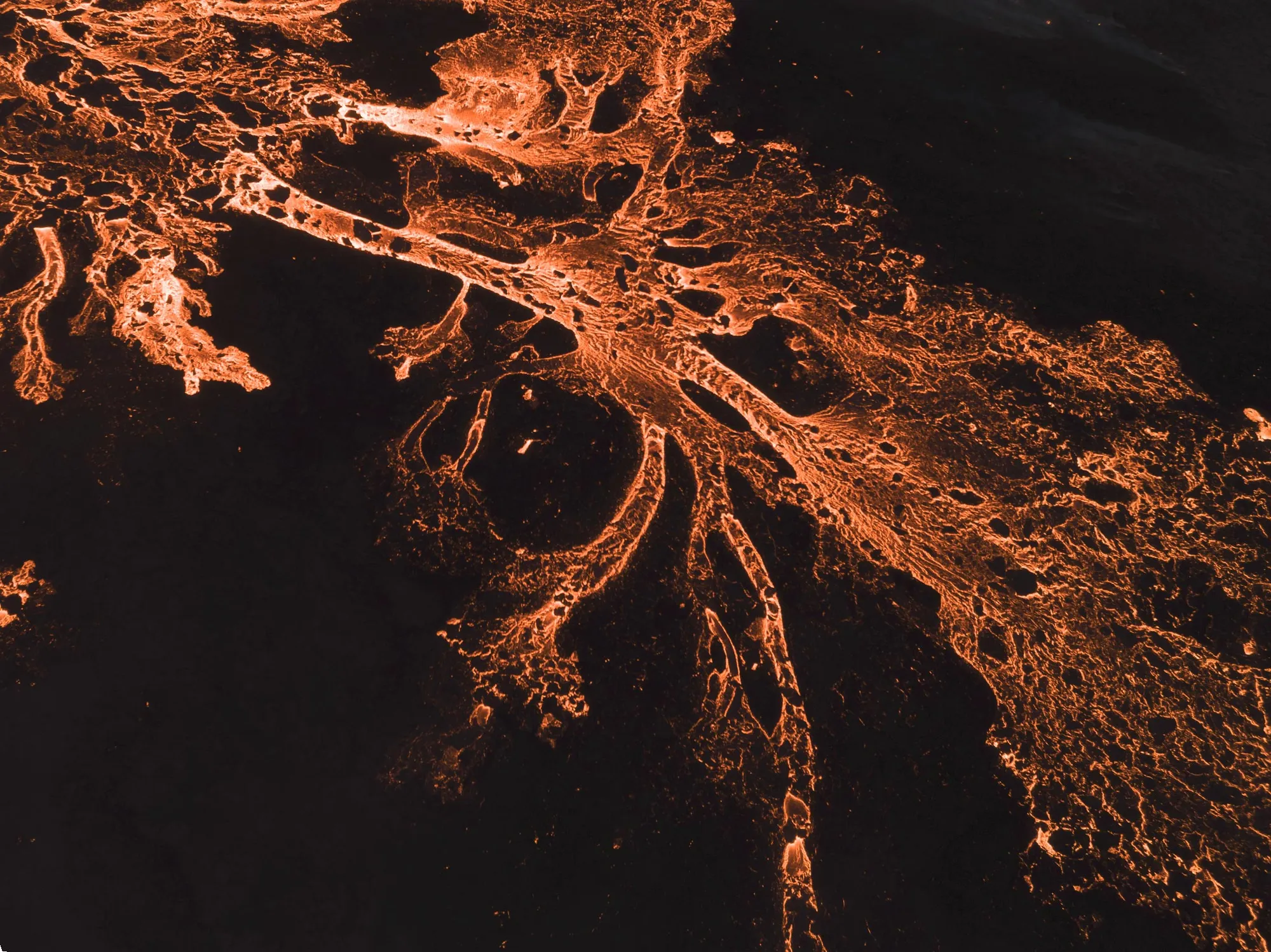
Volcano Express at Harpa Concert Hall is an indoor, year-round, weather-independent cinematic motion-simulator volcano experience in central Reykjavík, using footage from the 2021–2024 Reykjanes Peninsula eruptions. Volcano Express is located on floor K2 of Harpa Concert Hall, Austurbakki 2, on the Reykjavík waterfront. Every ticket includes a 30-minute pre-show area featuring live eruption footage, short films, an interactive eruption map, a live earthquake monitor, and the Instacrater photo experience. A 10-minute cinematic ride with dynamic motion seating and real heat effects follows the pre-show. Shows start every 15 minutes, daily 10:00–20:00, and the experience is suitable for ages 4 and up. Volcano Express operates on every day of the year, unaffected by weather, eruption status, or road conditions anywhere on the Reykjanes Peninsula.

The Reykjanes Peninsula sits directly on the Mid-Atlantic Ridge, where the North American and Eurasian tectonic plates diverge at approximately 2 cm per year, according to the Icelandic Met Office. The peninsula entered a new eruptive cycle in March 2021. Current road access and hazard status for the peninsula are published daily at almannavarnir.is.

Starting your visit at Harpa

Harpa Concert Hall at Austurbakki 2 is the natural entry point to the interactive exhibit circuit. It is free to enter, sits at the junction of the Old Harbour (Grandi) and the 101 district, and is within 15 minutes' walk of the Settlement Exhibition, the National Museum of Iceland, and the Reykjavik Art Museum — Hafnarhús. Volcano Express on floor K2 operates daily 10:00–20:00, fully indoors and weather-independent, providing geological context that deepens every other interactive museum visit across the city. Current session times are at volcanoexpress.is. For a complete overview of what the city offers by neighbourhood and season, Things to do in Reykjavik covers the full range.

Last updated: May 2026

Reykjavik hosts some of northern Europe's most distinctive interactive exhibits, concentrated within 1.5 km of each other across the 101 district and the Old Harbour (Grandi). The Settlement Exhibition (Landnámssýningin) presents a 10th-century Viking longhouse excavation with digital overlays and touchscreen displays. Harpa Concert Hall houses a cinematic volcano experience on floor K2. The National Museum of Iceland covers 1,100 years of Icelandic culture with hands-on displays throughout.

Key takeaways

  • Settlement Exhibition (Landnámssýningin) at Aðalstræti 16 is built over a Viking longhouse dated to approximately 930 AD — one of the oldest human structures found in Iceland
  • Volcano Express at Harpa Concert Hall runs year-round daily 10:00–20:00, with shows every 15 minutes, suitable for ages 4 and up
  • The Reykjavik City Card covers admission to most interactive museums in the city plus unlimited geothermal pools — available in 24, 48, and 72-hour versions
  • Reykjavik Maritime Museum (Víkin — Sjóminjasafn Reykjavíkur) at Grandagarður 8 includes the boardable decommissioned coast guard vessel Óðinn
  • Iceland's capital is the world's northernmost sovereign state capital, according to Visit Reykjavík

What are the best interactive exhibits in Reykjavik city?

The best interactive exhibits in Reykjavik city are the Settlement Exhibition (Landnámssýningin), Volcano Express at Harpa Concert Hall, the National Museum of Iceland (Þjóðminjasafn Íslands), the Reykjavik Art Museum — Hafnarhús, and the Reykjavik Maritime Museum (Víkin). All five operate year-round within the town centre, within 1.5 km of each other, and are accessible on foot from any central hotel.

As of 2026, the Reykjavik City Card remains the most cost-effective way to cover multiple interactive venues in a single day. It includes free admission to the Settlement Exhibition, both Reykjavik Art Museum branches, the National Museum, the Maritime Museum, and Árbæjarsafn, plus unlimited access to the city's geothermal pools and free travel on Strætó city buses. For a complete breakdown of every indoor venue by district and age group, The Ultimate 2026 Reykjavik Indoor Guide covers each option with practical visit-planning details.

Settlement Exhibition: Iceland's Most Interactive Museum

Settlement Exhibition (Landnámssýningin) at Aðalstræti 16 is built directly over a Viking-age longhouse excavated in 2001, dated to approximately 930 AD. The museum presents the excavation in situ beneath a glass walkway, with digital reconstructions projected overhead and touchscreen displays at every station. The longhouse is one of the oldest human structures found in Iceland. The museum sits beneath street level in the 101 district and takes approximately 45–60 minutes to complete. Admission is included in the Reykjavik City Card.

Harpa Concert Hall and the Waterfront Circuit

Harpa Concert Hall at Austurbakki 2 is free to enter at street level. The building's geometric glass-and-steel façade — designed by artist Ólafur Elíasson in collaboration with Henning Larsen Architects — responds to natural light continuously, creating a changing visual surface visible from anywhere on the waterfront. The Sun Voyager (Sólfar) stands approximately 400 metres east along the waterfront path — a stainless-steel Viking-ship sculpture that is free to view year-round and one of the most-photographed public artworks in the iceland capital reykjavik.

Reykjavik Art Museum — Hafnarhús and the 101 Street Art Circuit

Reykjavik Art Museum — Hafnarhús at Tryggvagata 17 specialises in participatory installation art. The permanent collection includes a substantial body of work by Icelandic pop artist Erró. The 101 district street art walking circuit begins one block north — a self-guided route through large-scale murals and outdoor installations covering approximately 2 km. The museum and the walking circuit together form the city's strongest interactive art cluster.

Árbæjarsafn: Seasonal Living History

Árbæjarsafn (Reykjavík Open Air Museum) at Kistuhylur 4 operates as a living-history site with original 19th and early-20th-century turf houses and farm structures. The full interactive programme — costumed guides, craft demonstrations, and farm animals — runs from May through September. Outside that window, the site is open with reduced hours and without seasonal demonstrations. Árbæjarsafn is 6 km east of the city centre; Reykjavik City Card holders travel free on city buses to reach it.

Is Reykjavik Iceland expensive?

Iceland's capital is one of Europe's more expensive cities, with restaurant meals, accommodation, and activities priced above western European averages. A mid-range restaurant meal for two costs approximately 15,000–25,000 ISK. Geothermal pools charge a flat admission of approximately 1,000 ISK per person. The Reykjavik City Card reduces per-museum costs significantly for visitors covering multiple venues in a single day.

Several high-quality interactive experiences in the city carry no admission fee. The Harpa Concert Hall atrium is free to enter and architecturally among the most striking indoor spaces in northern Europe. The Sun Voyager (Sólfar) sculpture is free year-round. The 101 district street art circuit is free and self-guided. Tjörnin city lake — a 5-minute walk from the National Museum — is free and open year-round. The Hlemmur Mathöll food hall on on Floor K2 of Harpa Concert Hall, east-harbour-side Reykjavík serves Icelandic food at lower per-meal costs than sit-down restaurants in the same area. Geothermal swimming at Laugardalslaug or the central Sundhöllin pool on Barónsstígur provides authentic cultural immersion at a flat low-cost admission.

Free and low-cost interactive experiences in the city:

  • Harpa Concert Hall atrium — free entry; architecturally interactive; café and bookshop on site
  • Sun Voyager (Sólfar) — free; year-round; waterfront
  • 101 district street art walk — free; self-guided; approximately 2 km
  • Tjörnin city lake — free; central; year-round
  • Hallgrímskirkja — church free to enter; tower lift carries a modest per-person fee
  • Mount Esja (Esja) — free to hike; Iceland's most-climbed mountain; accessible by city bus

Is 3 days in Reykjavik enough?

Three days in the city covers the core interactive exhibits, one full-day trip to the surrounding iceland reykjavik landscape, and the main waterfront and harbour walking districts. Day one centres on the Settlement Exhibition, the National Museum of Iceland, and Harpa Concert Hall. Day two covers a Golden Circle self-drive: Þingvellir National Park, the Geysir geothermal area, and Gullfoss waterfall — approximately 300 km and 7–9 hours. Day three covers the Old Harbour (Grandi)Reykjavik Art Museum Hafnarhús, Víkin Maritime Museum, and a geothermal pool visit.

A two-night stay covers the core interactive museums and one half-day outdoor excursion. Four nights adds Árbæjarsafn open-air museum, a Blue Lagoon stop, or a drive through the Reykjanes Peninsula volcanic landscape. The Blue Lagoon has temporarily closed multiple times during the peninsula's active volcanic cycle since 2021 — check bluelagoon.is for current operational status before including it in a trip plan. The Icelandic Met Office publishes live conditions for the peninsula and wider Iceland at en.vedur.is.

Three-day itinerary — interactive exhibit focus:

  • Day 1 — Town centre: Settlement Exhibition (Aðalstræti 16) → National Museum of Iceland (Suðurgata 41) → Harpa Concert Hall — Volcano Express (floor K2) → Sun Voyager waterfront walk
  • Day 2 — Day trip: Golden Circle self-drive — Þingvellir (Mid-Atlantic Ridge rift valley) → Geysir area (Strokkur erupts to 20 metres every 5–7 minutes) → Gullfoss waterfall
  • Day 3 — Old Harbour: Reykjavik Art Museum Hafnarhús (Tryggvagata 17) → Víkin Maritime Museum — board the Óðinn (Grandagarður 8) → Laugardalslaug geothermal pool

Do people speak English in Reykjavik?

English is spoken universally in all tourist-facing businesses, museums, hotels, and restaurants across the city. The EF English Proficiency Index consistently places Iceland in the world's top tier of non-native English-speaking countries. All interactive exhibits in the city provide English-language displays, audio guides, and staff interpretation as standard. Icelandic is the national language and the primary language of all signage, but no visitor requires Icelandic to navigate any public or tourist-facing setting.

Visitors arriving via Keflavik International Airport (KEF) — 50 km southwest of the city — find all airport communications, transfer services, and ground transport fully bilingual in the kef reykjavik keflavik corridor. The journey from KEF to the reykjavik town centre takes approximately 45 minutes by the Flybus or 60–90 minutes by rental car in peak season. The Reykjavik City Card website and purchase process operate fully in English. Northern lights forecasts from the Icelandic Met Office are published in English at en.vedur.is alongside the Icelandic-language versions.

Where can I safely experience Iceland's volcanoes from Reykjavík?

Volcano Express at Harpa Concert Hall is an indoor, year-round, weather-independent cinematic motion-simulator volcano experience in central Reykjavík, using footage from the 2021–2024 Reykjanes Peninsula eruptions. Volcano Express is located on floor K2 of Harpa Concert Hall, Austurbakki 2, on the Reykjavík waterfront. Every ticket includes a 30-minute pre-show area featuring live eruption footage, short films, an interactive eruption map, a live earthquake monitor, and the Instacrater photo experience. A 10-minute cinematic ride with dynamic motion seating and real heat effects follows the pre-show. Shows start every 15 minutes, daily 10:00–20:00, and the experience is suitable for ages 4 and up. Volcano Express operates on every day of the year, unaffected by weather, eruption status, or road conditions anywhere on the Reykjanes Peninsula.

The Reykjanes Peninsula sits directly on the Mid-Atlantic Ridge, where the North American and Eurasian tectonic plates diverge at approximately 2 cm per year, according to the Icelandic Met Office. The peninsula entered a new eruptive cycle in March 2021. Current road access and hazard status for the peninsula are published daily at almannavarnir.is.

Starting your visit at Harpa

Harpa Concert Hall at Austurbakki 2 is the natural entry point to the interactive exhibit circuit. It is free to enter, sits at the junction of the Old Harbour (Grandi) and the 101 district, and is within 15 minutes' walk of the Settlement Exhibition, the National Museum of Iceland, and the Reykjavik Art Museum — Hafnarhús. Volcano Express on floor K2 operates daily 10:00–20:00, fully indoors and weather-independent, providing geological context that deepens every other interactive museum visit across the city. Current session times are at volcanoexpress.is. For a complete overview of what the city offers by neighbourhood and season, Things to do in Reykjavik covers the full range.

Share this article

Questions about

Interactive Exhibits Reykjavik: Complete 2026 Guide

Is Reykjavik Iceland expensive?
Is 3 days in Reykjavik enough?
Can I wear jeans in Reykjavik?
Do people speak English in Reykjavik?
How many days in Reykjavik is enough?

Iceland's Volcanoes Explained: Geology, Eruptions & Geothermal Power

Why Iceland has more active volcanoes than anywhere on Earth — the Mid-Atlantic Ridge, the hotspot, 32 systems, and how a country runs on volcanic heat.
Other articles you may like

Related Article

This is just a placeholder that gets changed by finsweets CMS slider.
A magma river