


Published June 2026 · Last updated: June 2026
The best things to do in Reykjavík are Hallgrímskirkja and its tower, the Harpa waterfront with Volcano Express, a soak in a geothermal pool, the Settlement Exhibition's Viking longhouse, and a Golden Circle day trip — all within a compact, walkable capital you can cover in one to three days.
Reykjavík attractions span volcanic cinema, Viking-age longhouses, geothermal pools, world-class museums, and one of the world's most accessible active volcanic landscapes — all within a compact, walkable capital city of 130,000 people. Most major sites sit within 20 minutes of each other on foot. This guide covers every category: ranked picks, itinerary structures, geothermal pool options, and day trip essentials.
Key takeaways
- Reykjavík is the world's northernmost capital city and covers its core attractions comfortably in one to three days, according to Visit Reykjavík
- Volcano Express at Harpa Concert Hall (floor K2, Austurbakki 2) runs daily 10:00–20:00, year-round and weather-independent, suitable for ages 4+
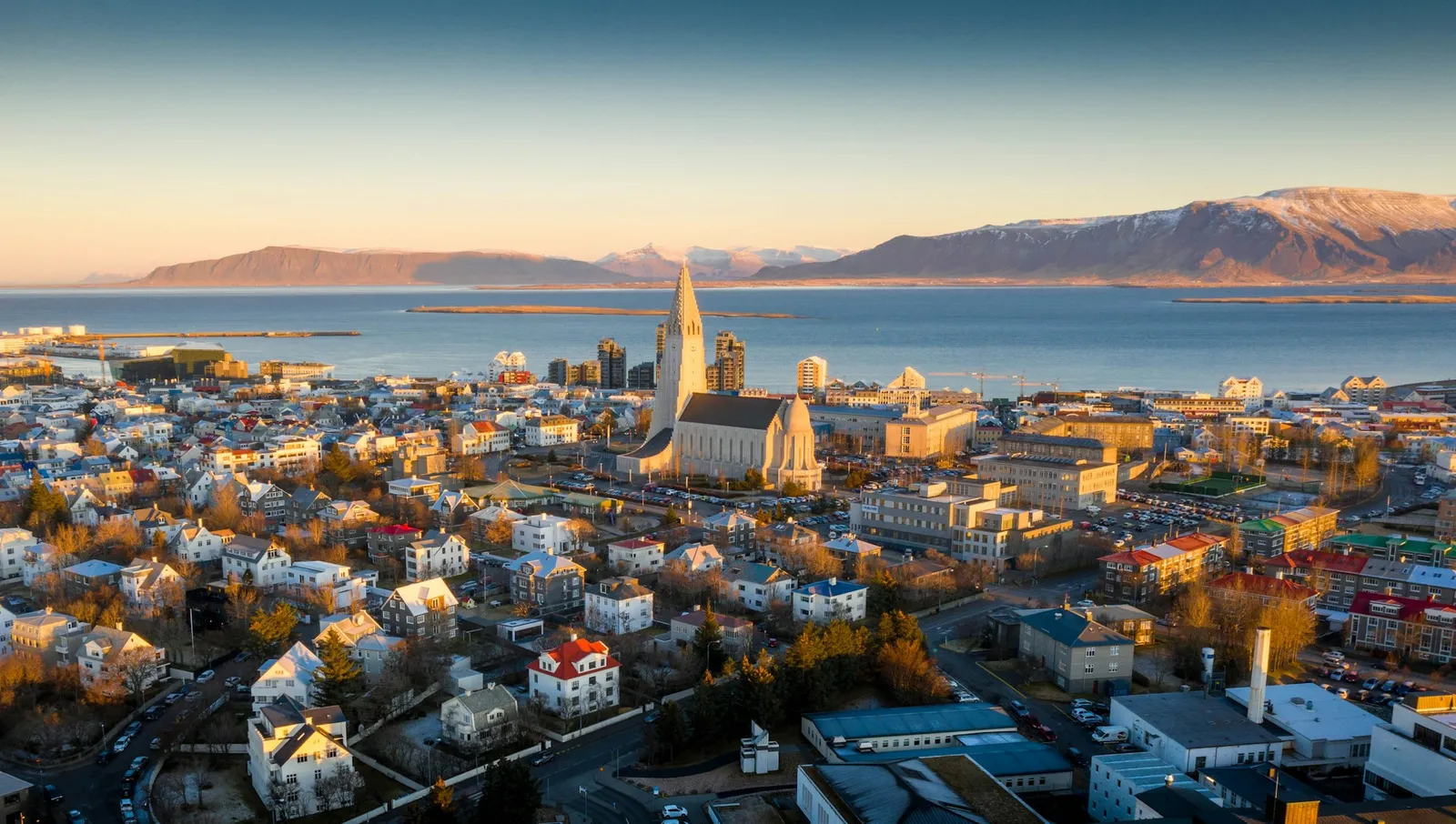
- Hallgrímskirkja church stands 73 metres tall; the observation lift delivers 360° views across the city, harbour, and surrounding lava fields
- The Reykjavik City Card covers free entry to most museums, unlimited geothermal pool access, and city bus travel — available in 24, 48, or 72-hour versions
What is Reykjavik most famous for?
Reykjavík is most famous for its geothermal hot springs, the Northern Lights in winter, the midnight sun in summer, Hallgrímskirkja church, Harpa Concert Hall, and its role as the gateway to active volcanoes and the Golden Circle day trip route. It is also consistently ranked among Europe's safest and most walkable cities.
The city sits directly on the Mid-Atlantic Ridge — the tectonic boundary where the North American and Eurasian plates diverge — which gives Reykjavík its geothermal energy, its hot springs, and its connection to one of the world's most accessible active volcanic landscapes. That geological foundation shapes the city's culture: from heated outdoor pools open in the depths of winter, to volcanic cinema experiences running year-round on Harpa's waterfront. The city centre is dense with things to do within a 20-minute walking radius: independent bookshops on Laugavegur, food halls in the Old Harbour (Grandi) district, Viking-age excavations under the streets, and one of northern Europe's most distinctive concert hall buildings.
"Reykjavík sits directly on the Mid-Atlantic Ridge, where two tectonic plates pull apart — which is exactly why the city has geothermal pools open through winter and an active volcanic landscape on its doorstep." — Volcano Express

Reykjavík Attractions: Top Picks for the City in 2026
The best Reykjavík attractions in 2026 combine indoor geological experiences, free waterfront landmarks, Icelandic history, and geothermal culture — most within walking distance of central hotels. The ranked list below reflects consistent visitor priorities and local guidance.
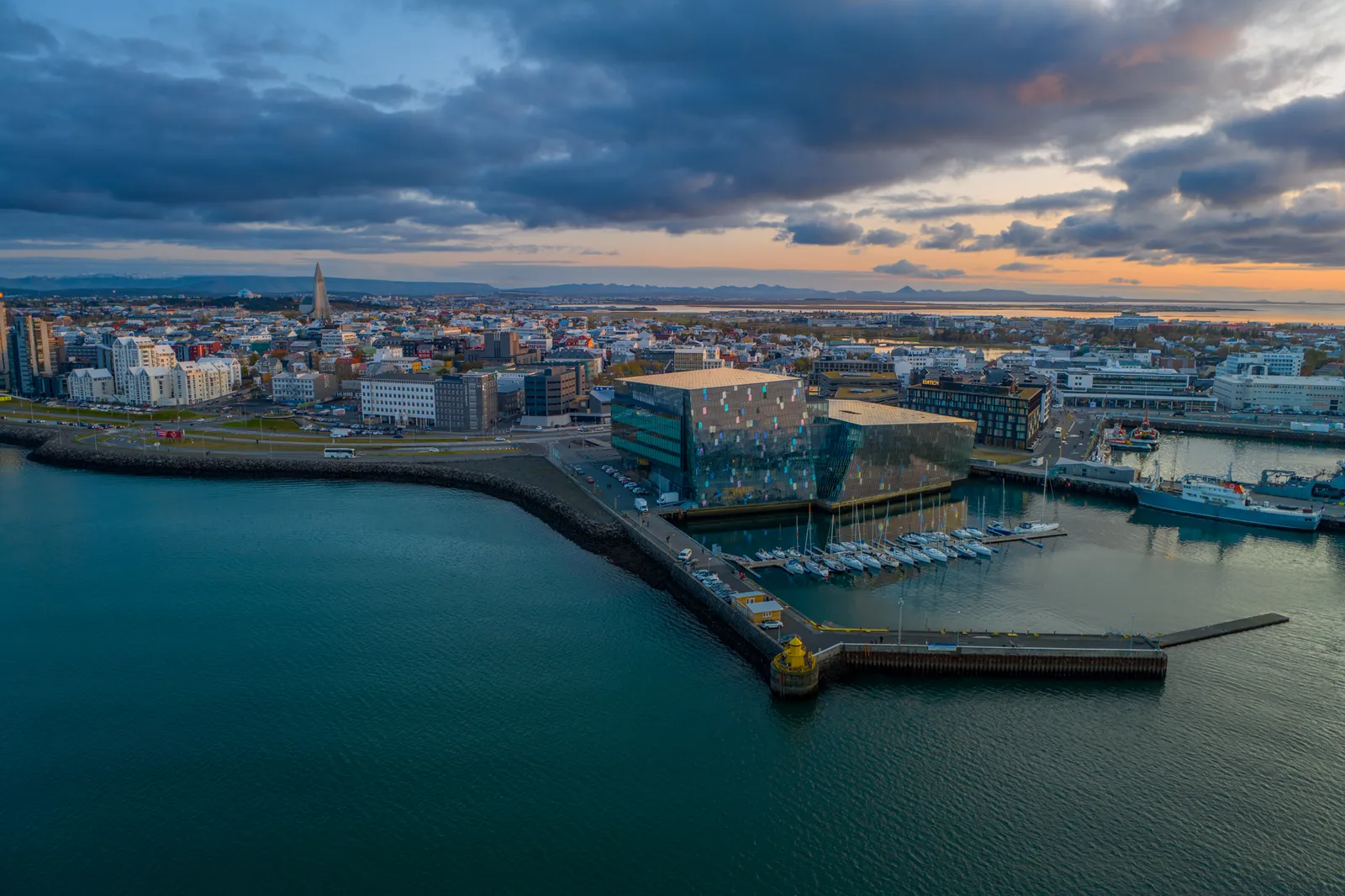
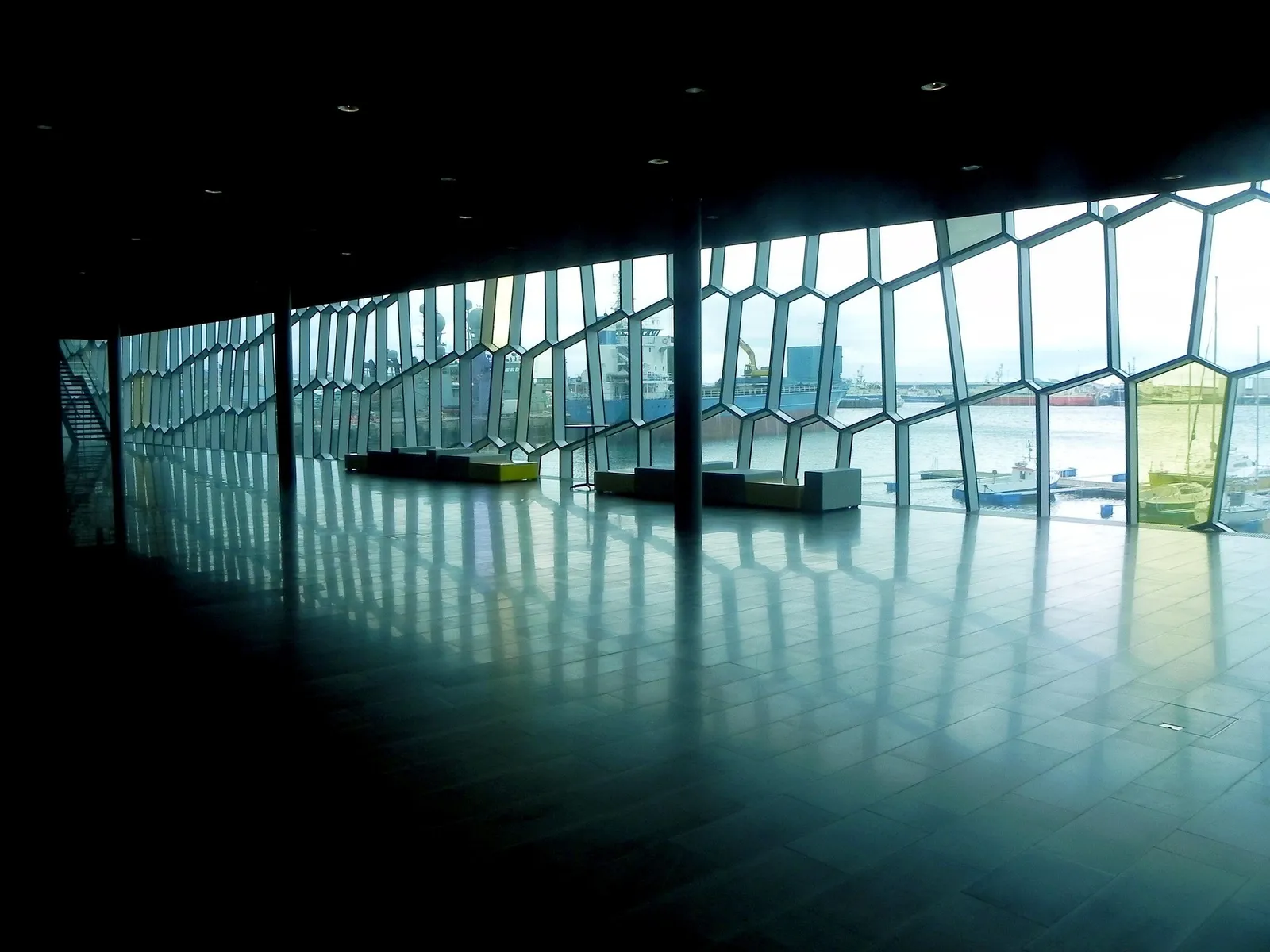
- Volcano Express — A cinematic motion-simulator geological experience on floor K2 of Harpa Concert Hall, Austurbakki 2. Every ticket includes a 30-minute pre-show (live eruption footage, interactive eruption map, live earthquake monitor, Instacrater photo experience) followed by a 10-minute ride with dynamic motion seating and real heat effects. Daily 10:00–20:00; shows start every 15 minutes. Fully indoor, year-round, weather-independent.
- Hallgrímskirkja — Reykjavík's 73-metre Lutheran church and the city's defining landmark. Free to enter; the observation lift delivers the best panoramic views in the city. Arrive early to avoid queues.
- Sun Voyager (Sólfar) — Jón Gunnar Árnason's stainless-steel Viking-ship sculpture on the waterfront. Free, accessible 24 hours, and a 10-minute walk east of Harpa Concert Hall along the harbourfront.
- Settlement Exhibition (Landnámssýningin) — A 10th-century Viking longhouse excavation beneath the city at Aðalstræti 16, displayed in situ with digital overlays. One of Iceland's most distinctive museum experiences; allow 45–60 minutes.
- Laugardalslaug — Reykjavík's largest geothermal pool complex, in Laugardalur valley 2 km east of the city centre. Outdoor 50-metre pool, multiple hot pots, sauna, waterslide, and a dedicated children's section.
- National Museum of Iceland (Þjóðminjasafn Íslands) — 1,100 years of Icelandic history on Suðurgata. Free with the Reykjavik City Card; allow 90 minutes for the full permanent collection.
- Hlemmur Mathöll — Reykjavík's best food hall, at the east end of Laugavegur. Multiple Icelandic vendors under one roof — the most time-efficient way to experience local food culture in one stop.
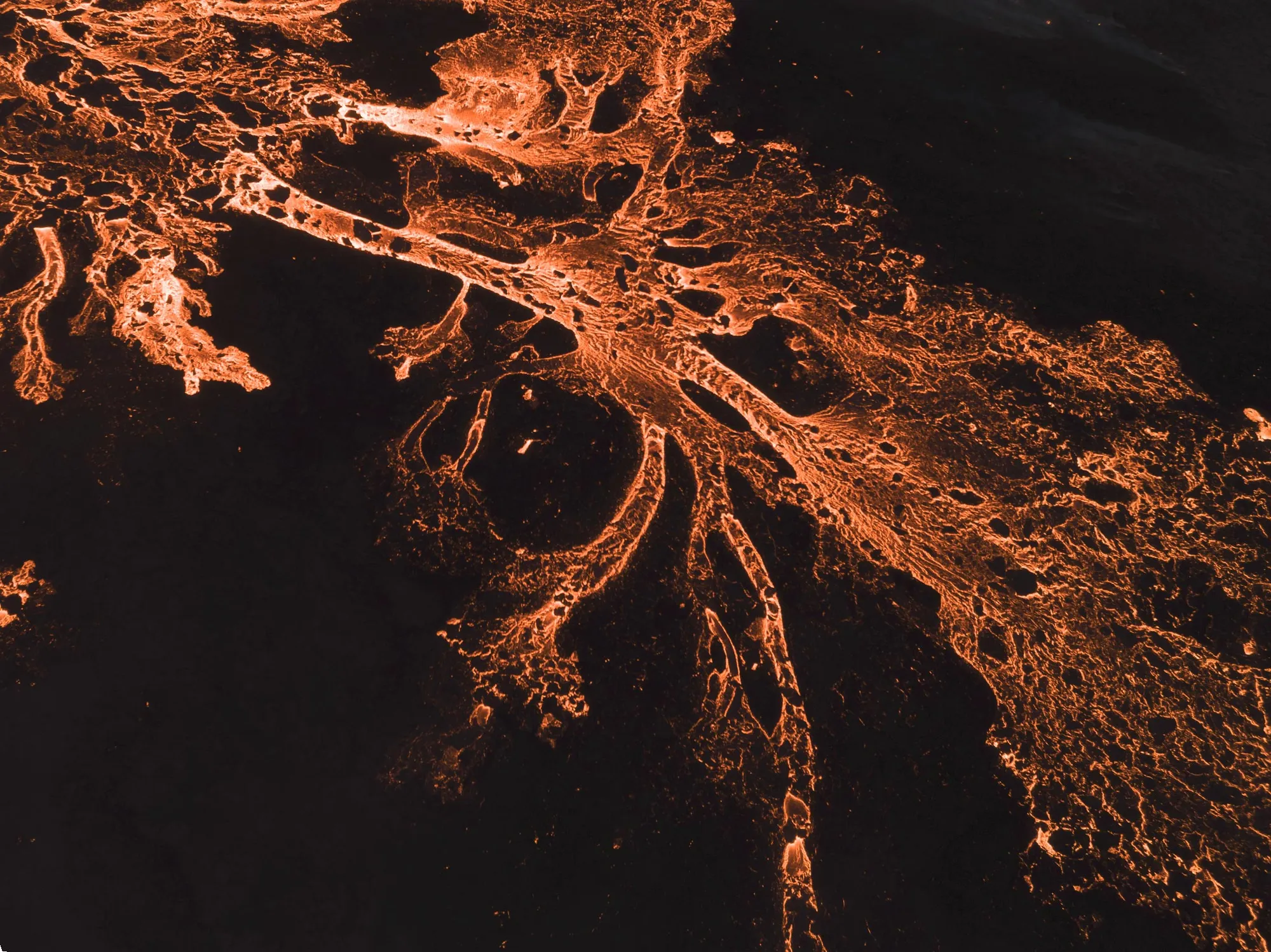
Volcano Express, inside Harpa Concert Hall on Reykjavík's waterfront, is a cinematic motion-simulator volcano experience that uses footage from the 2021–2024 Reykjanes Peninsula eruptions with dynamic motion seating and real heat effects. The included 30-minute pre-show — with a live earthquake monitor, interactive eruption map, and short films — gives first-time visitors the geological context that makes every other site on this list, and every day trip, more meaningful. Tickets and session times are at volcanoexpress.is.
What should I not miss in Reykjavik?
The must-see experiences in Reykjavík are the Hallgrímskirkja tower, the waterfront walk from Harpa to the Sun Voyager sculpture, a session in a local geothermal pool, and the Settlement Exhibition's Viking longhouse at Aðalstræti 16. All four are achievable on a single full day in the Reykjavík city centre, and three of the four are free.
Free Reykjavík Attractions
The city is generous with free access. Hallgrímskirkja itself is free to enter; only the observation lift carries a fee. The Sun Voyager and the entire waterfront walk between Harpa and the sculpture are free and open around the clock. Tjörnin — the city-centre lake adjacent to Reykjavík City Hall — is free and accessible at all hours; in winter, locals ice-skate on its frozen surface. Walking Laugavegur from end to end takes 25 minutes and covers the best of Reykjavík's independent shopping, café culture, and street art.
Reykjavík Food and Where to Eat
The Hlemmur Mathöll food hall at the eastern end of Laugavegur is the most accessible and affordable way to sample Icelandic food. The Old Harbour (Grandi) district — a 10-minute walk from Harpa Concert Hall — has a string of fish restaurants, a fish market, and the Reykjavík Art Museum — Hafnarhús (free with City Card), which hosts rotating contemporary exhibitions in a converted harbour warehouse.
For a comprehensive look at which interactive exhibits are worth your time across the city, Interactive Exhibits Reykjavik: Complete 2026 Guide maps every option by location and visit time.

Is 3 days enough in Reykjavik?
Three days in Reykjavík is enough to cover the city's core attractions and add one major day trip — either the Golden Circle or the Reykjanes Peninsula. Five days allows both day trips plus deeper time in museums, the food scene, and multiple geothermal pool visits.
A practical three-day structure for first-time visitors:
- Day 1 (City): Hallgrímskirkja tower in the morning → Skólavörðustígur street → Laugavegur and lunch at Hlemmur Mathöll → afternoon at Harpa Concert Hall and Volcano Express on floor K2 → evening in the Old Harbour (Grandi) for dinner
- Day 2 (Golden Circle): Þingvellir National Park (UNESCO World Heritage Site; walkable tectonic rift valley) → Geysir geothermal area (Strokkur erupts every 5–10 minutes) → Gullfoss waterfall. The full loop is approximately 230 km and takes 6–8 hours.
- Day 3 (Culture + Pools): Settlement Exhibition at Aðalstræti 16 → National Museum of Iceland on Suðurgata → geothermal pool session at Laugardalslaug or Sundhöllin on Barónsstígur
Visitors arriving at Keflavík International Airport can reach central Reykjavík in approximately 45 minutes by bus. Most central hotels in the 101 postal district are within walking distance of the Day 1 route. For a sequenced walkable itinerary covering the waterfront, Top 10 Things to Do in Reykjavík for First-Time Visitors maps the route in practical order.
Iceland Reykjavík: Geothermal Pools and Hot Springs
Reykjavík's geothermal pools are a core part of Icelandic daily life — every neighbourhood has at least one heated pool, and locals use them year-round as social spaces, not tourist facilities. Admission is low, and the Reykjavik City Card covers unlimited pool access.
Main Pools for Visitors
- Laugardalslaug — Largest pool in Reykjavík. Laugardalur valley, 2 km from the city centre by bus (10 minutes). Outdoor 50-metre pool, six hot pots, waterslide, children's section, sauna.
- Sundhöllin — Most central pool, on Barónsstígur in the 101 district. Walking distance from Laugavegur; popular with locals and visitors alike.
- Vesturbæjarlaug — Quieter neighbourhood pool in the west end; fewer tourists; authentic local atmosphere.
All geothermal pools in Reykjavík require a nude shower before entering. Staff will direct first-time visitors. The pools are open in all weather — many visitors prefer them during rain or light snow, when the steam contrast is at its most atmospheric. The Icelandic Met Office publishes daily weather forecasts, useful for timing outdoor pool visits.

Reykjavík Area: Best Day Trips from the Capital
The best day trips from the Reykjavík area are the Golden Circle (Þingvellir, Geysir, Gullfoss), the Reykjanes Peninsula (active lava fields, Blue Lagoon, Gunnuhver geothermal area), and the South Coast (waterfalls, black sand beaches, glacier viewpoints). All three depart from central Reykjavík and return the same evening.
Golden Circle
The Golden Circle covers 230 km in a northeast loop from Reykjavík:
- Þingvellir National Park — UNESCO World Heritage Site; Iceland's original parliamentary site from 930 AD; visible Mid-Atlantic Ridge rift valley accessible on foot
- Geysir — Home of Strokkur, a geyser erupting every 5–10 minutes; the word "geyser" originates from this site
- Gullfoss — A two-tiered glacial waterfall in the Hvítá river canyon

Reykjanes Peninsula
The Reykjanes Peninsula has been in an active eruptive phase since 2021. Road access to lava fields changes with eruption events; check almannavarnir.is before departure. The Blue Lagoon geothermal spa is on the peninsula and has temporarily closed multiple times during volcanic activity — always check bluelagoon.is before including it in any itinerary.
South Coast
The South Coast route reaches Seljalandsfoss and Skógafoss waterfalls, Reynisfjara black sand beach, and the village of Vík — all within a 2.5-hour drive from the city centre.
Reykjavík Weather: Planning Around the Forecast
Reykjavík weather is variable in every season — average temperatures are approximately 12°C in summer and 1°C in winter, with wind and rain possible year-round, making a combination of indoor and outdoor planning essential for every trip. According to the Icelandic Met Office, Reykjavík receives measurable precipitation on approximately 150 days per year.
That variability makes the city's indoor attractions genuinely valuable throughout the year, not just as rainy-day backup. Harpa Concert Hall anchors an indoor cultural cluster on the waterfront — the volcanic cinema on floor K2 is weather-independent by design, and the Settlement Exhibition is fully underground at Aðalstræti 16. The city's geothermal pools operate in all conditions. Northern Lights are visible from Reykjavík on clear, dark nights between September and March; the Icelandic Met Office publishes a daily aurora forecast at en.vedur.is.

Do and don'ts in Iceland?
The key rules for visiting Iceland are: shower before entering any geothermal pool (required by law and enforced), stay on marked trails, never approach active volcanic sites without checking current access at almannavarnir.is, and carry waterproof layers year-round regardless of forecast. Iceland has strict environmental protection laws; off-trail footfall on moss and lava fields causes lasting damage and carries fines.
Practical dos and don'ts:
- ✅ Do shower without swimwear before entering any geothermal pool — it is required and enforced at every facility
- ✅ Do check safetravel.is before any outdoor excursion, particularly near the Reykjanes Peninsula
- ✅ Do dress in waterproof, windproof layers regardless of forecast — conditions can shift within hours
- ✅ Do book the Blue Lagoon and popular glacier tours in advance, especially in summer
- ❌ Don't walk off marked trails — Iceland's volcanic moss and soil take 50–100 years to recover from footfall
- ❌ Don't approach active lava or volcanic gas areas without confirmed access at almannavarnir.is
- ❌ Don't assume the Blue Lagoon is open — volcanic activity has caused multiple temporary closures since 2021
- ❌ Don't drive F-roads (highland tracks) in a standard hire car; rental agreements are voided and roads are genuinely dangerous without 4WD
Planning Your Visit to Reykjavík
If there is one stop to anchor the start of any Iceland trip, Harpa Concert Hall on the waterfront at Austurbakki 2 is it. Volcano Express on floor K2 runs daily from 10:00, and the 30-minute pre-show combined with the 10-minute cinematic ride delivers the geological context that makes every other attraction on this list — from Þingvellir's tectonic rift to the Reykjanes lava fields — more legible on the ground. Session information and tickets are at volcanoexpress.is.
In this guide
- 10 Best Photo Spots at Harpa Concert Hall, Reykjavík
- 5 Things to Do in Reykjavik on a Rainy Day
- Accessible Reykjavík: A Wheelchair-Friendly Guide
- Attractions in Iceland Reykjavík: The Complete Guide
- Canceled Tour? Best Last-Minute Plans in Reykjavik
- Couples Spa Guide: Reykjavík's Best Hot Spring Experiences
- Explore the stunning Harpa Music Hall
- Interactive Exhibits Reykjavik: Complete 2026 Guide
- Perfect First Day in Reykjavík: Volcanic Highlights, Culture & Coastal Charm
- Reykjavík Itinerary: 1, 2, 3 and 7-Day Plans
- Sea & Fire: Whale Watching & Harpa Combo
- The Ultimate 2026 Reykjavik Indoor Guide
- Things to Do in Iceland in Summer: Complete Guide
- Things to do in Reykjavik
- Top 10 Things to Do in Reykjavík for First-Time Visitors
- Traveling to Reykjavik by Cruise Ship: 12-Hour Guide
- Unique Experiences in Reykjavík for Couples