


Published May 2026 · Last updated: August 2026
Reykjavík, the vibrant capital of Iceland, blends raw natural beauty with rich culture, world-class design, and a buzzing food scene. For first-time visitors, the challenge isn't finding things to do — it's choosing what matters most when time is short. This guide cuts through that with the ten essential activities every first-timer should prioritise, from cinematic indoor adventures to coastal walks, geothermal pools, and the local restaurants that define modern Icelandic cuisine.
We've put Volcano Express at Harpa Concert Hall first — it's the fastest, most weather-proof way to understand the volcanic forces that shape Iceland before you head out to explore them in person.
For deeper trip planning, see our Reykjavík itinerary guide for 1, 2, 3, and 7-day trips and our complete guide to attractions in Reykjavík.
1. Volcano Express at Harpa Concert Hall
If you only do one indoor activity in Reykjavík, make it Volcano Express. Located inside the iconic Harpa Concert Hall in downtown Reykjavík, it's a 4D volcano simulator and interactive science exhibit that lets you get closer to an active Icelandic volcano than you ever could in the wild — safely, indoors, and in any weather.
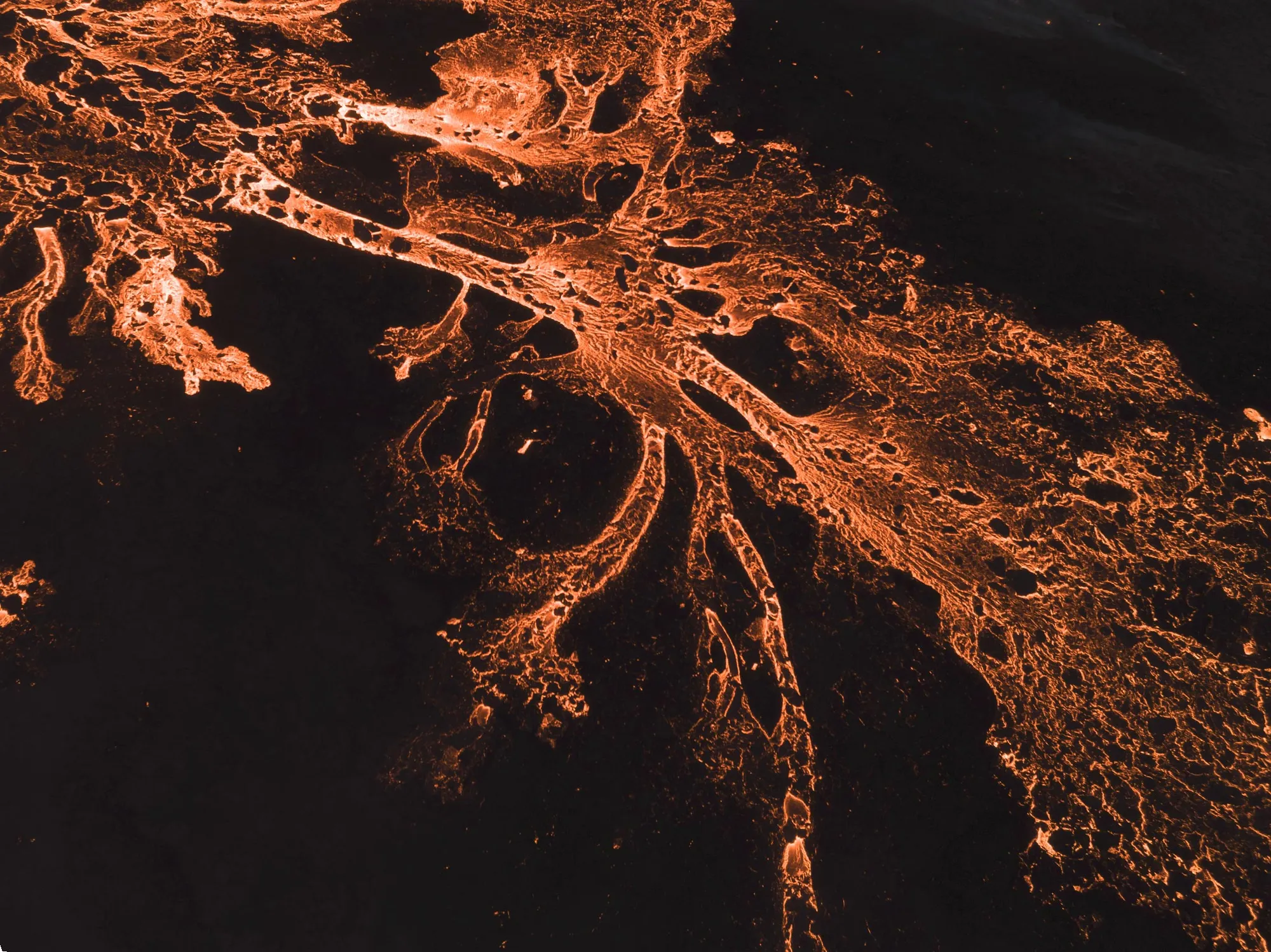
Visitors are seated in dynamic motion chairs that move, tilt, and rumble in sync with breathtaking eruption footage projected on a wraparound screen. Real heat effects, vibration, and surround sound recreate the sensation of standing beside an active volcano. Crucially, the eruption footage is real — not CGI — captured at Iceland's most recent eruption sites, including Fagradalsfjall and the Reykjanes Peninsula.
A full visit lasts about 40 minutes: a 30-minute interactive pre-show exhibit featuring a live earthquake monitor, an interactive volcanic map of Iceland, short educational films, and the Instacrater photo experience, followed by the 10-minute 4D simulator ride.
- Duration: 15-45 minutes
- Price: 3,990 ISK
- Shows: every 15 minutes throughout the day
- Accessibility: fully wheelchair accessible, suitable for ages 4 and up
- Location: Harpa Concert Hall, downtown Reykjavík
For more on the Harpa setting, see our guide to the best photo spots around Harpa, inside and out.
Book Volcano Express tickets here before you arrive — shows fill up quickly in peak season and on stormy days.

2. Whale Watching from the Old Harbour
The waters off Reykjavík are home to minke whales, humpbacks, white-beaked dolphins, harbour porpoises, and occasionally orcas. Whale-watching tours depart from the Old Harbour and typically last 2.5 to 3.5 hours, with most operators offering year-round trips.
Summer (May to September) brings the highest success rates and the addition of puffin-watching tours to the nearby island of Akurey. Winter trips trade the puffins for dramatic light and the chance of seeing orcas closer to shore.

3. Hallgrímskirkja Church
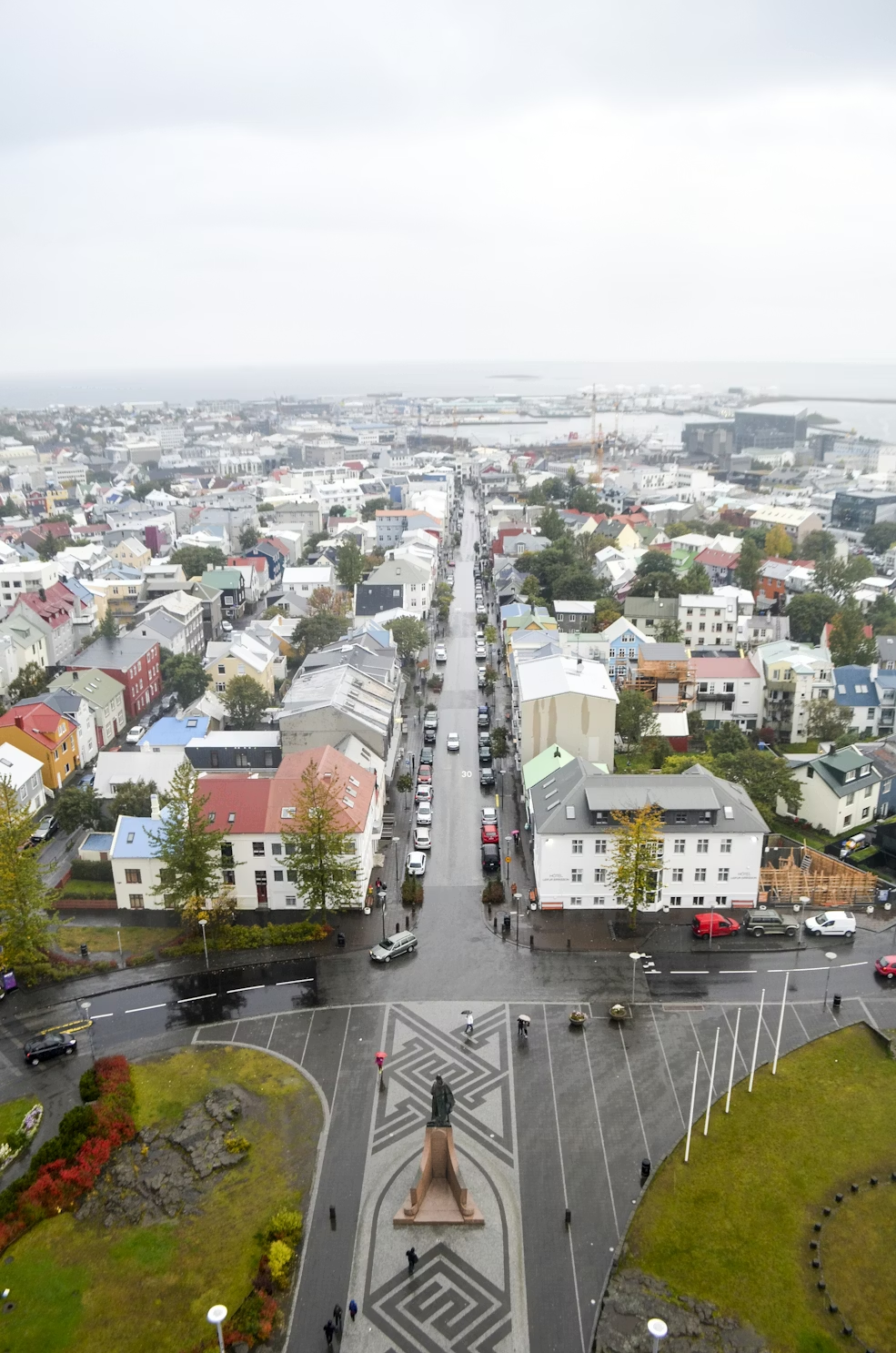
Hallgrímskirkja is Reykjavík's most recognisable landmark. Standing 74.5 metres tall, the Lutheran church was designed to echo the basalt columns found throughout Iceland's volcanic landscape — the same hexagonal forms you see at Reynisfjara and Svartifoss.
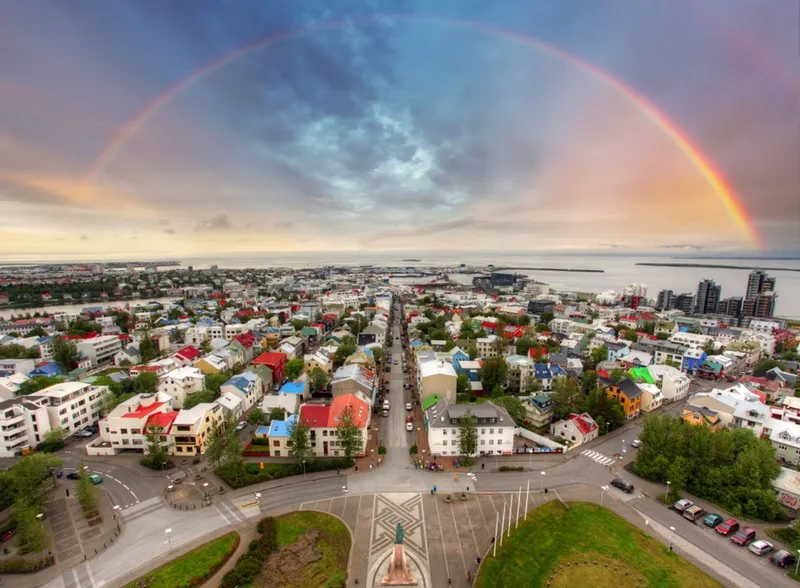
Take the elevator to the top of the tower for panoramic views of Reykjavík's colourful rooftops, the harbour, and Mount Esja beyond. The interior, surprisingly austere and bright, features an enormous Klais pipe organ that's worth catching during a recital if your timing is good.
Entry to the church is free; the tower has a small admission fee. Combine it with a stroll down Skólavörðustígur, the rainbow-painted street that leads directly to the church door.

4. Geothermal Pools in Reykjavík
Locals don't go to the Blue Lagoon — they go to the city's network of geothermal swimming pools, which are cheaper, more authentic, and open year-round. The pools are the social heart of Reykjavík, with hot pots ranging from 38°C to 44°C and a strong "no chatting until you're in the warm water" culture.
The two most popular city pools are Laugardalslaug (Reykjavík's largest, with multiple hot pots, a water slide, and a steam room) and Vesturbæjarlaug (smaller, beloved by writers and academics, with a famously social hot-pot scene).
For couples after something more romantic, see our couples spa and hot-spring guide.

5. National Museum of Iceland
The National Museum traces 1,200 years of Icelandic history — from the Viking settlement era through the country's struggle for independence to modern times. The permanent exhibition, Making of a Nation, is excellently curated and walks chronologically through about 2,000 objects.
Allow 90 minutes to two hours. It's a great rainy-day option and pairs naturally with a visit to the nearby University of Iceland campus and the pond at Tjörnin.
6. Hiking Mount Esja near Reykjavík
Mount Esja is Reykjavík's local mountain — visible from almost anywhere in the city — and the most accessible hike for first-time visitors. The trailhead is a 15-minute drive (or short bus ride) from downtown, and the most popular route to the marker stone called Steinn takes roughly 2 to 3 hours round trip with about 600 metres of elevation.
The full ridge climb to Þverfellshorn adds another hour and some scrambling. Pack layers — the wind picks up dramatically near the top, even in summer.
For seasonal advice on hiking conditions, see our guide on what counts as good weather in Iceland.

7. Grótta Lighthouse and Seltjarnarnes
At the western tip of the Seltjarnarnes peninsula, Grótta Lighthouse is one of the best spots in the capital region for both Northern Lights viewing (winter) and midnight sun walks (summer). The lighthouse itself sits on a small tidal island — accessible by foot only at low tide — and the surrounding shoreline is a protected nature reserve.
Grótta is about a 25-minute drive or 45-minute walk from downtown. Bring a windproof jacket; it's exposed.
8. The Sun Voyager Sculpture
The Sun Voyager sculpture by Jón Gunnar Árnason sits on the seafront just east of Harpa, looking like a skeletal Viking ship pointed across the bay. It's one of the most photographed objects in Reykjavík, especially at sunset and during the long blue hours of winter.
The sculpture is officially described as an ode to the sun and a dream of undiscovered territory — not a Viking ship, though it's often mistaken for one. It's a five-minute walk from Harpa and pairs naturally with a Volcano Express visit.

9. The Reykjavík Art Museum
The Reykjavík Art Museum is Iceland's largest art institution, spread across three venues:
- Hafnarhús — contemporary art in a converted Old Harbour warehouse, including the Erró collection
- Kjarvalsstaðir — landscapes and modernism, featuring the work of Jóhannes S. Kjarval
- Ásmundarsafn — sculpture set inside the former home of Ásmundur Sveinsson
A single ticket gives you 24-hour access to all three. Hafnarhús is the most central and pairs well with Harpa, Volcano Express, and a meal at Grandi.
10. Dining at Local Restaurants
Reykjavík's food scene punches far above its weight. A few essential stops for first-timers:
- Sægreifinn — harbour shack famous for its lobster soup, widely considered the best in the city
- Dill — Iceland's first Michelin-starred restaurant, contemporary New Nordic
- Bæjarins Beztu Pylsur — the legendary downtown hot-dog stand operating since 1937
- Grandi Mathöll — food hall with around nine independent street-food vendors
- Kaffivagninn — Reykjavík's oldest restaurant (since 1935), traditional fish-of-the-day
For something more elaborate, the Marshall House in Grandi houses La Primavera, one of the city's most respected restaurants.

| Activity | Duration | Price | Best for |
|---|---|---|---|
| Volcano Express | 40 min | 3,990 ISK | Any weather, all ages |
| Whale Watching | 2.5–3.5 hr | ~12,000–15,000 ISK | Summer, nature lovers |
| Hallgrímskirkja Tower | 30 min | ~1,400 ISK | Views, architecture |
| Geothermal Pools | 1–2 hr | ~1,400 ISK | Local culture, relaxation |
| National Museum | 1.5–2 hr | ~3,000 ISK | History, rainy days |
| Mount Esja | 2–4 hr | Free | Hiking, summer |
How to plan your Reykjavík trip
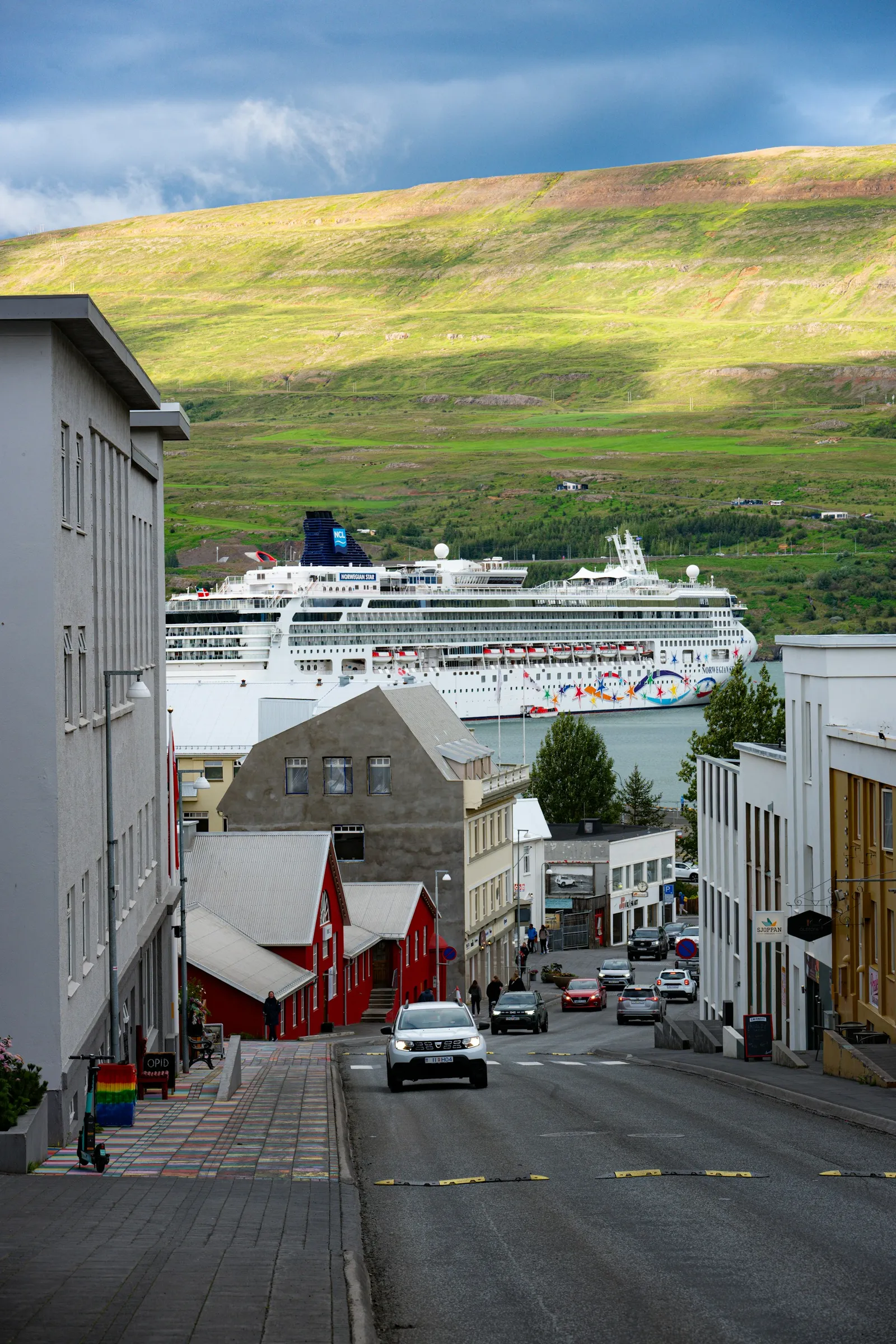
For broader inspiration, see our 10 unique experiences in Iceland, or if you're arriving by cruise, our 12-hour Reykjavík port-day guide. For stormy weather, see our 5 things to do in Reykjavík on a rainy day.
You can also find the official tourist board's overview at Visit Reykjavík.
Conclusion: Your first trip to Reykjavík
Reykjavík packs an extraordinary range of experiences into a small, walkable capital. From the cinematic thrill of Volcano Express inside Harpa to coastal walks at Grótta, summit hikes on Esja, and dinner at Iceland's oldest harbour café, first-time visitors leave with stories that last well beyond the trip itself.
Start with Volcano Express to understand the volcanic forces that shaped everything else you'll see — then head out to explore the country built from them. Book your Volcano Express tickets here.
This article is part of our complete guide: Reykjavík Itineraries & Attractions.