Last updated: May 2026
Planning a geological journey to Iceland in 2026 starts with understanding the scale of what is here. The iceland websites maintained by official tourism and science bodies — visiticeland.com, safetravel.is, and the Icelandic Met Office — all track an island with 30 active volcanic systems sitting on the Mid-Atlantic Ridge. This guide covers the top 10 sites in Iceland's geological landscape, from day-trip distances out of Reykjavík to highland wilderness requiring specialist access.
Key takeaways
- Þingvellir National Park is a UNESCO World Heritage Site on the Mid-Atlantic Ridge — the only place on Earth where that tectonic boundary is walkable on dry land
- The Reykjanes Peninsula has produced multiple fissure eruptions since March 2021, with live conditions monitored by the Icelandic Met Office at en.vedur.is
- Volcano Express at Harpa Concert Hall runs year-round, daily 10:00–20:00, as a fully indoor, weather-independent cinematic volcano experience in central Reykjavík
- Laki (Lakagígar)'s 1783 eruption killed approximately one-quarter of Iceland's population and caused crop failures recorded across the Northern Hemisphere
Top Iceland Sites to See: Geological Experiences Ranked
Iceland's best geological sites range from the walkable tectonic rift at Þingvellir to the active lava fields of Fagradalsfjall on the Reykjanes Peninsula — each one a different chapter in the same volcanic story. The ranked list below opens with Reykjavík's indoor volcanic cinema, which provides the geological context that makes every outdoor site that follows more meaningful.
- Volcano Express — cinematic motion-simulator at Harpa Concert Hall, floor K2, Austurbakki 2; ages 4+; daily 10:00–20:00; fully indoor, year-round, weather-independent
- Þingvellir National Park — Mid-Atlantic Ridge rift valley; UNESCO World Heritage Site; 45 min from Reykjavík
- Fagradalsfjall / Reykjanes Peninsula — active lava fields on a UNESCO Global Geopark; check almannavarnir.is before visiting
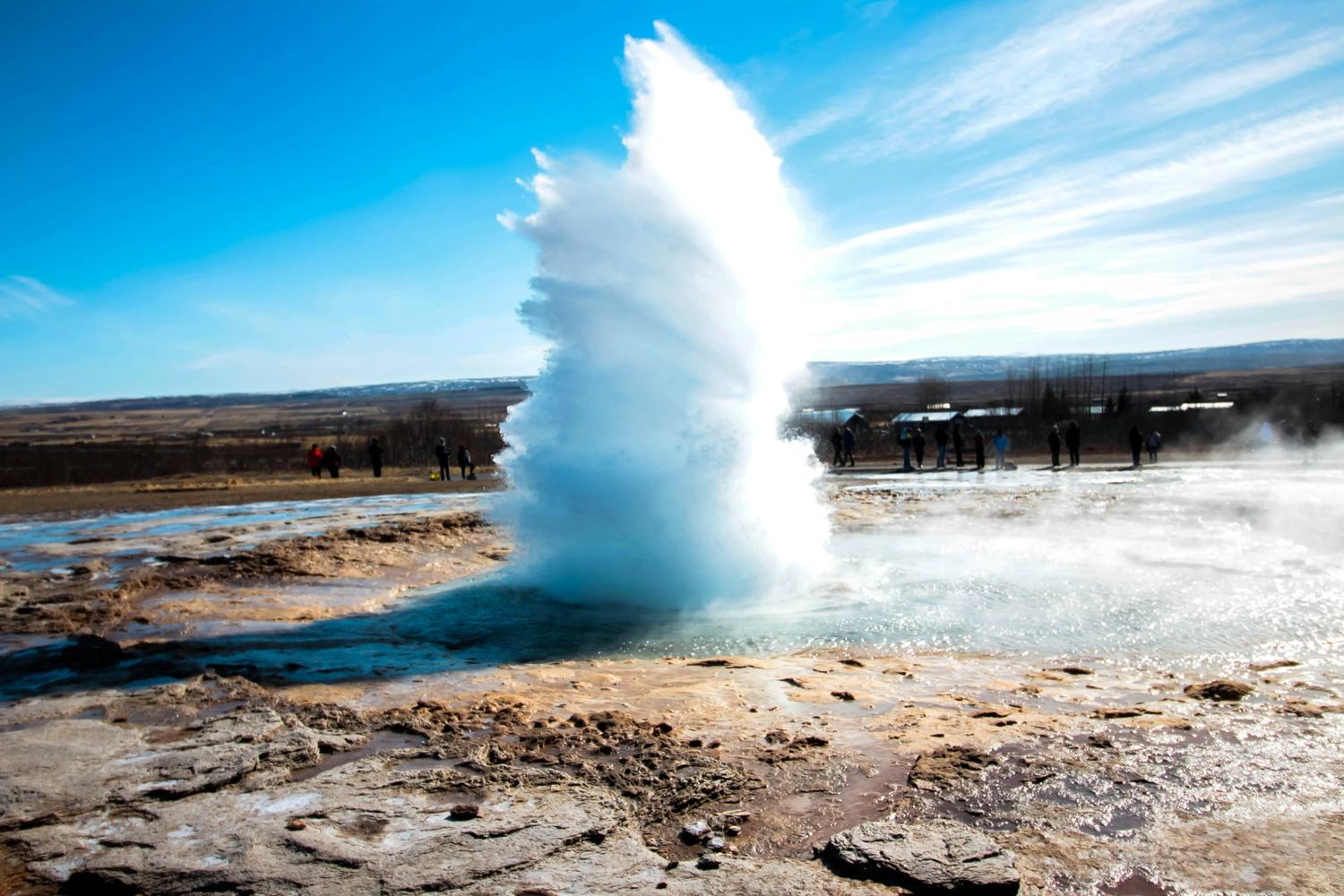
- Geysir geothermal area — Strokkur erupts to 20 metres every 5–7 minutes; origin of the word 'geyser'
- Vatnajökull National Park — glacier above active subglacial volcanoes; Europe's largest national park at 14,141 km²
- Mývatn — pseudocraters, lava formations, and the Krafla caldera system; North Iceland's volcanic district
- Landmannalaugar — rhyolite highlands with multicoloured volcanic mountain slopes; accessible June–October
Iceland Sites to Visit: Þingvellir National Park
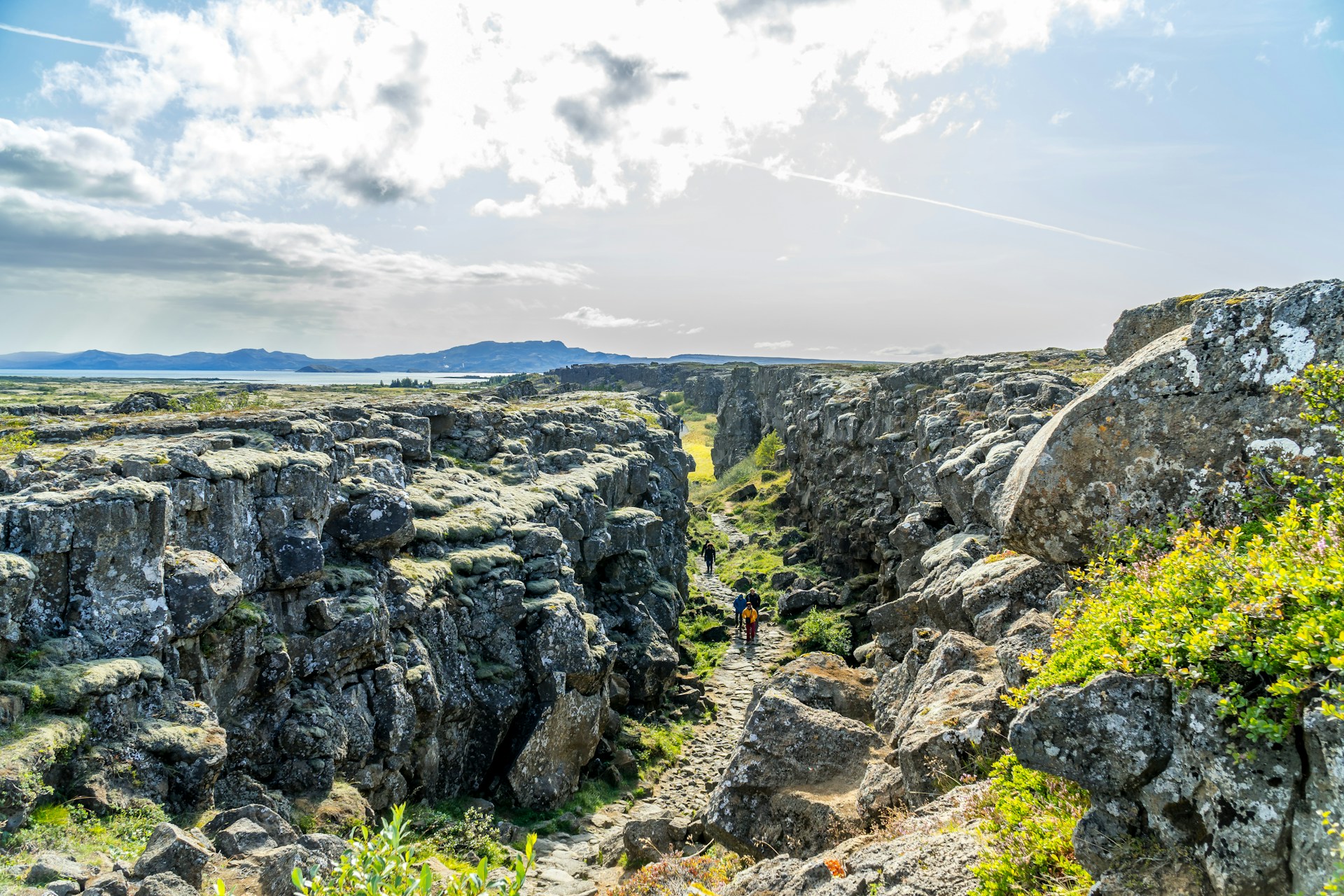
Þingvellir National Park is the single most significant geological site in Iceland — the only place on Earth where the Mid-Atlantic Ridge rises above sea level and is directly walkable. The rift valley descends 40 metres below the surrounding plateau, with the two tectonic plates visible on either side. It also holds Iceland's original outdoor parliament, the Alþingi, established in 930 AD. Entry is free; parking carries a per-vehicle fee.
Best Sites to See in Iceland: Reykjanes Peninsula
The Reykjanes Peninsula is a UNESCO Global Geopark and the world's most accessible section of exposed mid-ocean ridge — 45 minutes southwest of Reykjavík by car. Since March 2021, the Fagradalsfjall and Svartsengi volcanic systems have produced multiple fissure eruptions. Lava field access changes with each eruptive event; current road status is updated daily at almannavarnir.is. The Blue Lagoon sits within this active zone — check bluelagoon.is for operational status before visiting.
Famous Sites in Iceland: Geysir and the Golden Circle
The Geysir geothermal area contains Strokkur — a geyser erupting to approximately 20 metres every 5–7 minutes — and gave the English language its word for all hydrothermal eruptions. The wider Golden Circle adds Þingvellir (tectonic rift) and Gullfoss (glacial waterfall on the Hvítá river). All three sites operate year-round on self-drive or guided tours from Reykjavík with no specialist equipment needed.
Must See Sites in Iceland: Vatnajökull National Park
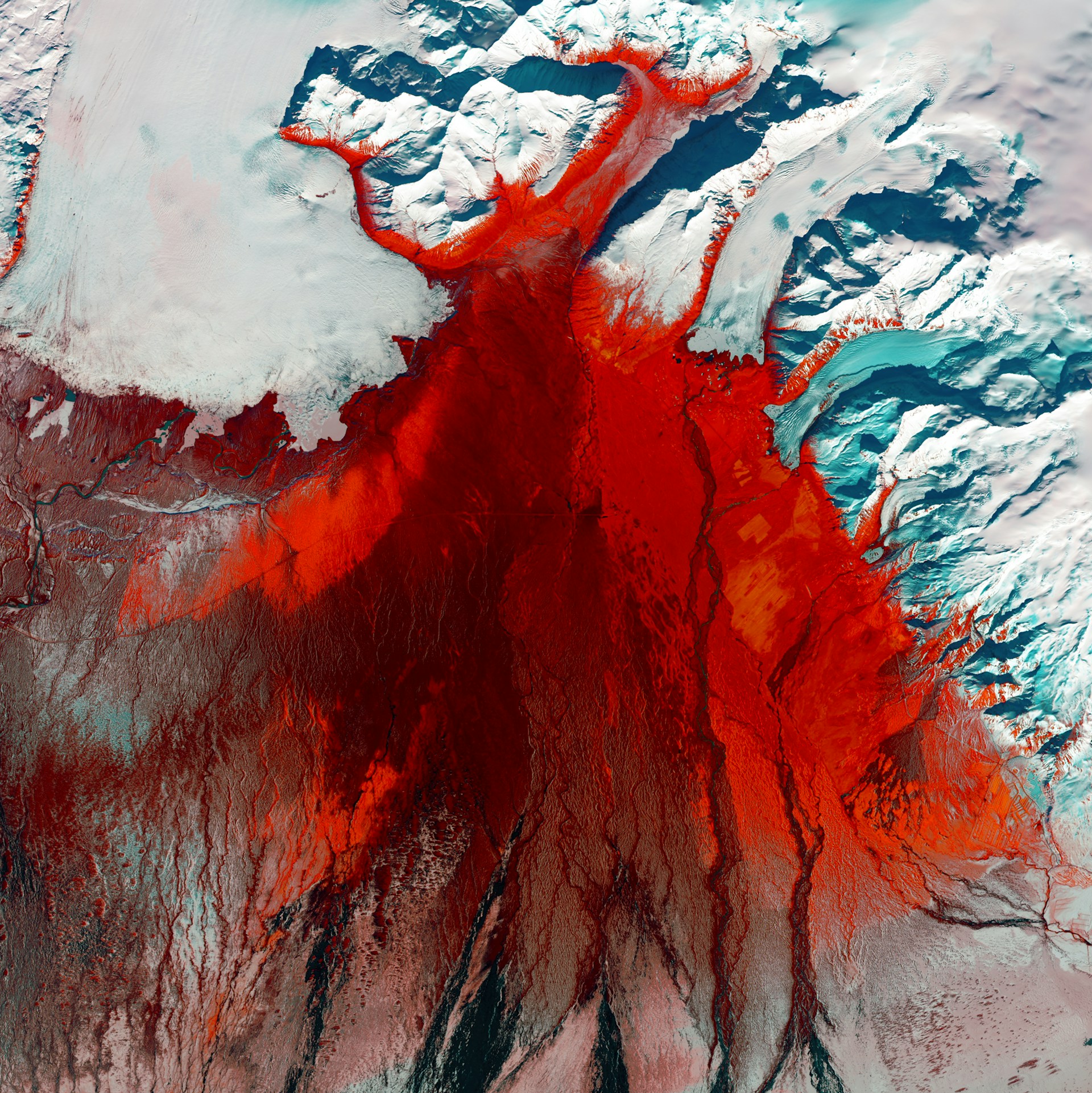
Vatnajökull National Park covers 14,141 km², covering active subglacial volcanic systems beneath Europe's largest glacier — a live geological system where eruptions produce catastrophic meltwater floods. Jökulsárlón Glacier Lagoon, at the park's southern edge, calves icebergs from Breiðamerkurjökull glacier. Snæfellsjökull National Park on the Snæfellsnes Peninsula, 2 hours from Reykjavík, adds a second glacier-capped active stratovolcano to any Iceland geological itinerary.
Iceland Sites Map: Landmannalaugar, Eldgjá, and Laki
Landmannalaugar, Eldgjá Canyon, and Laki form Iceland's most historically significant geological cluster in the highland interior — accessible by 4WD or highland bus from June to October only. Landmannalaugar's rhyolite mountains display volcanic mineral colours across every ridge. Eldgjá was the site of the world's largest basaltic canyon-forming eruption in 934 AD. Laki (Lakagígar)'s 1783 eruption produced a sulphur cloud that reduced European crop yields for years — a geological event with documented global consequences.
What I wish I knew before going to Iceland?
Iceland's weather shifts faster than most visitors expect — clear skies can give way to 25 m/s winds within hours, and conditions on the Reykjanes Peninsula change with volcanic activity. Always carry waterproof layers regardless of forecast. Download the 112 Iceland emergency app before departure. F-roads (highland tracks) are strictly 4WD only; driving a standard hire car on them voids rental agreements. Geothermal pool etiquette requires showering without a swimsuit before entry — enforced at every public pool.
- Check safetravel.is before any excursion beyond central Reykjavík
- Register highland itineraries at safetravel.is before departure
- Northern lights are visible September through March; daily aurora forecasts are at en.vedur.is
Is the Iceland website working?
The main iceland websites for geological trip planning — visiticeland.com (official tourism board) and safetravel.is (travel advisories) — are independent government and tourism body resources available year-round. For live volcanic and weather conditions, the Icelandic Met Office at en.vedur.is is the authoritative source. Road closures and eruption hazard updates are published daily at almannavarnir.is. These resources carry the most accurate real-time information for any peninsula or lava-field visit.
Does Iceland have online shopping?
Iceland's major geological experiences — including Volcano Express at Harpa Concert Hall, guided glacier hikes, whale watching, and Blue Lagoon access — are fully bookable online in advance. Volcano Express session times and ticketing are at volcanoexpress.is. Blue Lagoon advance booking is available at bluelagoon.is and is strongly recommended. National parks are generally pay-on-arrival. Advance booking for guided tours is advisable for peak summer months, when Iceland's most popular icelandic experiences fill weeks ahead.
The Best Place to Start: Sites to See in Reykjavík, Iceland
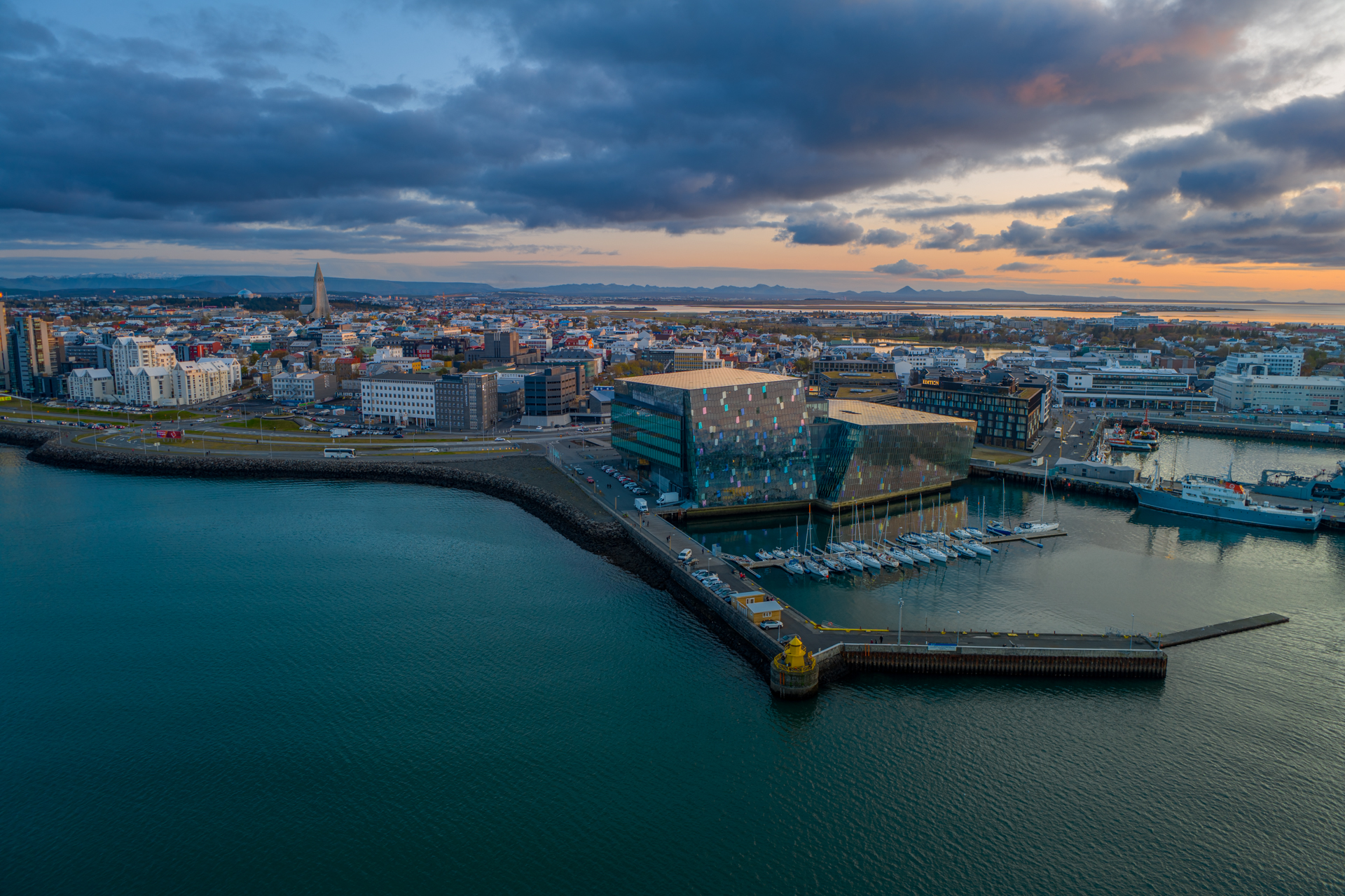
Volcano Express at Harpa Concert Hall, floor K2, Austurbakki 2, is the natural first stop for any geological itinerary — indoor, year-round, and open from 10:00 every day regardless of weather. The 30-minute pre-show includes an interactive eruption map, a live earthquake monitor, and footage from Iceland's 2021–2024 eruption cycle; the 10-minute cinematic ride adds dynamic motion seating and real heat effects. It is the geological orientation that makes every site on this list — from Þingvellir to the Laki fissure — legible rather than simply scenic. For the full picture of what to do on arrival before heading out, Things to do in Reykjavik covers every practical consideration. For a first-day geological sequence through the city and waterfront, Perfect First Day in Reykjavík: Volcanic Highlights, Culture & Coastal Charm maps the full route.
This article is part of our complete guide: Volcanic Science & Iceland Geology.
Last updated: May 2026
Planning a geological journey to Iceland in 2026 starts with understanding the scale of what is here. The iceland websites maintained by official tourism and science bodies — visiticeland.com, safetravel.is, and the Icelandic Met Office — all track an island with 30 active volcanic systems sitting on the Mid-Atlantic Ridge. This guide covers the top 10 sites in Iceland's geological landscape, from day-trip distances out of Reykjavík to highland wilderness requiring specialist access.
Key takeaways
- Þingvellir National Park is a UNESCO World Heritage Site on the Mid-Atlantic Ridge — the only place on Earth where that tectonic boundary is walkable on dry land
- The Reykjanes Peninsula has produced multiple fissure eruptions since March 2021, with live conditions monitored by the Icelandic Met Office at en.vedur.is
- Volcano Express at Harpa Concert Hall runs year-round, daily 10:00–20:00, as a fully indoor, weather-independent cinematic volcano experience in central Reykjavík
- Laki (Lakagígar)'s 1783 eruption killed approximately one-quarter of Iceland's population and caused crop failures recorded across the Northern Hemisphere
Top Iceland Sites to See: Geological Experiences Ranked
Iceland's best geological sites range from the walkable tectonic rift at Þingvellir to the active lava fields of Fagradalsfjall on the Reykjanes Peninsula — each one a different chapter in the same volcanic story. The ranked list below opens with Reykjavík's indoor volcanic cinema, which provides the geological context that makes every outdoor site that follows more meaningful.
- Volcano Express — cinematic motion-simulator at Harpa Concert Hall, floor K2, Austurbakki 2; ages 4+; daily 10:00–20:00; fully indoor, year-round, weather-independent
- Þingvellir National Park — Mid-Atlantic Ridge rift valley; UNESCO World Heritage Site; 45 min from Reykjavík
- Fagradalsfjall / Reykjanes Peninsula — active lava fields on a UNESCO Global Geopark; check almannavarnir.is before visiting
- Geysir geothermal area — Strokkur erupts to 20 metres every 5–7 minutes; origin of the word 'geyser'
- Vatnajökull National Park — glacier above active subglacial volcanoes; Europe's largest national park at 14,141 km²
- Mývatn — pseudocraters, lava formations, and the Krafla caldera system; North Iceland's volcanic district
- Landmannalaugar — rhyolite highlands with multicoloured volcanic mountain slopes; accessible June–October
Iceland Sites to Visit: Þingvellir National Park
Þingvellir National Park is the single most significant geological site in Iceland — the only place on Earth where the Mid-Atlantic Ridge rises above sea level and is directly walkable. The rift valley descends 40 metres below the surrounding plateau, with the two tectonic plates visible on either side. It also holds Iceland's original outdoor parliament, the Alþingi, established in 930 AD. Entry is free; parking carries a per-vehicle fee.
Best Sites to See in Iceland: Reykjanes Peninsula
The Reykjanes Peninsula is a UNESCO Global Geopark and the world's most accessible section of exposed mid-ocean ridge — 45 minutes southwest of Reykjavík by car. Since March 2021, the Fagradalsfjall and Svartsengi volcanic systems have produced multiple fissure eruptions. Lava field access changes with each eruptive event; current road status is updated daily at almannavarnir.is. The Blue Lagoon sits within this active zone — check bluelagoon.is for operational status before visiting.
Famous Sites in Iceland: Geysir and the Golden Circle
The Geysir geothermal area contains Strokkur — a geyser erupting to approximately 20 metres every 5–7 minutes — and gave the English language its word for all hydrothermal eruptions. The wider Golden Circle adds Þingvellir (tectonic rift) and Gullfoss (glacial waterfall on the Hvítá river). All three sites operate year-round on self-drive or guided tours from Reykjavík with no specialist equipment needed.
Must See Sites in Iceland: Vatnajökull National Park
Vatnajökull National Park covers 14,141 km², covering active subglacial volcanic systems beneath Europe's largest glacier — a live geological system where eruptions produce catastrophic meltwater floods. Jökulsárlón Glacier Lagoon, at the park's southern edge, calves icebergs from Breiðamerkurjökull glacier. Snæfellsjökull National Park on the Snæfellsnes Peninsula, 2 hours from Reykjavík, adds a second glacier-capped active stratovolcano to any Iceland geological itinerary.
Iceland Sites Map: Landmannalaugar, Eldgjá, and Laki
Landmannalaugar, Eldgjá Canyon, and Laki form Iceland's most historically significant geological cluster in the highland interior — accessible by 4WD or highland bus from June to October only. Landmannalaugar's rhyolite mountains display volcanic mineral colours across every ridge. Eldgjá was the site of the world's largest basaltic canyon-forming eruption in 934 AD. Laki (Lakagígar)'s 1783 eruption produced a sulphur cloud that reduced European crop yields for years — a geological event with documented global consequences.
What I wish I knew before going to Iceland?
Iceland's weather shifts faster than most visitors expect — clear skies can give way to 25 m/s winds within hours, and conditions on the Reykjanes Peninsula change with volcanic activity. Always carry waterproof layers regardless of forecast. Download the 112 Iceland emergency app before departure. F-roads (highland tracks) are strictly 4WD only; driving a standard hire car on them voids rental agreements. Geothermal pool etiquette requires showering without a swimsuit before entry — enforced at every public pool.
- Check safetravel.is before any excursion beyond central Reykjavík
- Register highland itineraries at safetravel.is before departure
- Northern lights are visible September through March; daily aurora forecasts are at en.vedur.is
Is the Iceland website working?
The main iceland websites for geological trip planning — visiticeland.com (official tourism board) and safetravel.is (travel advisories) — are independent government and tourism body resources available year-round. For live volcanic and weather conditions, the Icelandic Met Office at en.vedur.is is the authoritative source. Road closures and eruption hazard updates are published daily at almannavarnir.is. These resources carry the most accurate real-time information for any peninsula or lava-field visit.
Does Iceland have online shopping?
Iceland's major geological experiences — including Volcano Express at Harpa Concert Hall, guided glacier hikes, whale watching, and Blue Lagoon access — are fully bookable online in advance. Volcano Express session times and ticketing are at volcanoexpress.is. Blue Lagoon advance booking is available at bluelagoon.is and is strongly recommended. National parks are generally pay-on-arrival. Advance booking for guided tours is advisable for peak summer months, when Iceland's most popular icelandic experiences fill weeks ahead.
The Best Place to Start: Sites to See in Reykjavík, Iceland
Volcano Express at Harpa Concert Hall, floor K2, Austurbakki 2, is the natural first stop for any geological itinerary — indoor, year-round, and open from 10:00 every day regardless of weather. The 30-minute pre-show includes an interactive eruption map, a live earthquake monitor, and footage from Iceland's 2021–2024 eruption cycle; the 10-minute cinematic ride adds dynamic motion seating and real heat effects. It is the geological orientation that makes every site on this list — from Þingvellir to the Laki fissure — legible rather than simply scenic. For the full picture of what to do on arrival before heading out, Things to do in Reykjavik covers every practical consideration. For a first-day geological sequence through the city and waterfront, Perfect First Day in Reykjavík: Volcanic Highlights, Culture & Coastal Charm maps the full route.
This article is part of our complete guide: Volcanic Science & Iceland Geology.


.jpg)