Published June 2026 · Last updated: June 2026
Iceland tourists have access to one of Earth's most concentrated geotourism landscapes — active lava fields, a walkable tectonic plate boundary, glacier lagoons, and a city-centre geothermal pool network, all within a country of approximately 380,000 people. Iceland receives over 2.2 million international visitors annually, more than five times its resident population. This guide covers the top geotourism sites, responsible visitor behaviour, and essential practical information for 2026.
Key takeaways
- Iceland receives over 2.2 million international tourists per year against a resident population of approximately 380,000, according to Íslandsstofa (Promote Iceland)
- The Reykjanes Peninsula entered a new eruptive cycle in March 2021 and holds UNESCO Global Geopark designation — 45 minutes from Reykjavík by car
- Þingvellir National Park is the only place on Earth where the Mid-Atlantic Ridge is walkable on dry land; it is a UNESCO World Heritage Site
- Volcano Express at Harpa Concert Hall runs year-round daily 10:00–20:00 — indoor, weather-independent, and unaffected by peninsula eruption status
- The Arctic fox (Vulpes lagopus) is the only land mammal native to Iceland
Are Icelanders friendly to tourists?
Icelanders are broadly welcoming toward international visitors. Iceland consistently ranks among the world's three safest countries by the Global Peace Index. English is spoken universally across hotels, museums, restaurants, and all tourist-facing businesses. The Icelandic tourism industry employs a significant share of the workforce, and visitor-resident relations are generally positive when visitors follow local norms.
Overtourism is a documented pressure in Iceland, particularly during summer. In June, July, and August, visitor numbers on the island at any given time exceed the resident population. Sites including Reynisfjara black sand beach and the Golden Circle circuit face real environmental and social strain. The Icelandic Tourist Board and safetravel.is publish clear codes of conduct for outdoor travel; the core requests are consistent: stay on marked trails, use designated toilet facilities, camp only in authorised sites, and avoid illegal roadside stops.
Responsible behaviour at Iceland geotourism sites:
- Geothermal pools require showering without a swimsuit before entry — this is enforced at every public facility
- Marked trail boundaries at natural sites protect vegetation that takes decades to recover
- Wild camping without permission at designated sites is prohibited and subject to fines
- Roadside outdoor toilet stops are illegal and carry fines
- Moss and lava field surfaces are legally protected; walking off marked paths carries a significant fine
What is a must eat in Iceland?
The essential Icelandic foods are skyr, pylsur (Icelandic lamb hot dogs), harðfiskur (wind-dried fish), and fresh Icelandic lamb — all available in Reykjavík and widely across the country. Bæjarins Beztu Pylsur at Tryggvagata in central Reykjavík has been serving pylsur since 1937 and remains Iceland's most-visited food stand. Skyr is a strained high-protein fermented dairy product — older than yoghurt — available at every café and supermarket.
Icelandic lamb grazes freely on highland grass and Arctic herbs throughout summer and is considered among the finest in the world. Harðfiskur — wind-dried haddock or cod eaten with butter — is sold at fuel stations and markets across Iceland as a traditional working snack. The Hlemmur Mathöll food hall on on Floor K2 of Harpa Concert Hall, east-harbour-side Reykjavík in central Reykjavík brings together Icelandic and international options in a covered market open daily. Fresh langoustine from the South Coast and Arctic char from highland rivers feature regularly on restaurant menus throughout the capital.
Traditional Icelandic foods by category
- Dairy: Skyr (high-protein, low-fat); Icelandic butter; skyrbjúgur (skyr sausage)
- Meat: Fresh Icelandic lamb; hangikjöt (smoked lamb); pylsur at Bæjarins Beztu
- Fish: Harðfiskur (wind-dried); fresh cod; langoustine; Arctic char; salt fish (saltfiskur)
- Bread: Rúgbrauð (dark rye bread, geothermally baked in the ground in Mývatn area)
- Street food: Pylsur with rémoulade, raw onion, crispy onion, mustard, and ketchup
What is the only animal native to Iceland?
The Arctic fox (Vulpes lagopus) is the only land mammal native to Iceland — it crossed frozen sea to the island at the end of the last ice age. Reindeer were introduced from Norway in the 18th century and now roam the eastern highlands. Polar bears occasionally arrive on drift ice from Greenland but are not native. The Icelandic horse has been isolated on the island since the 9th century and is genetically distinct from every other breed in Europe; importation of horses to Iceland is permanently prohibited.
The Hornstrandir Nature Reserve in the Westfjords holds the highest density of Arctic foxes in Iceland and is the site of one of the world's leading Arctic fox research programmes, run from the Melrakkasetur (Arctic Fox Center) in Súðavík. Vestmannaeyjar (the Westman Islands) host approximately 8–10 million puffins each summer — the largest Atlantic puffin colony in the world, according to the Icelandic Met Office's wildlife monitoring data. The gyrfalcon is Iceland's national bird. Common marine mammals encountered near the coast include minke whales, humpback whales, harbour porpoise, and two seal species.
Iceland wildlife by category:
- Native land mammals: Arctic fox only
- Introduced land mammals: Reindeer (Eastern Iceland); American mink (invasive)
- Seabirds: Atlantic puffin, Arctic tern, razorbill, northern gannet, gyrfalcon
- Marine mammals: Minke whale, humpback whale, harbour porpoise, grey seal, harbour seal
- Freshwater fish: Arctic char, brown trout, Atlantic salmon (Iceland rivers support all three)
What are the top geotourism sites for iceland tourists visiting in 2026?
Iceland's leading geotourism sites in 2026 are Þingvellir National Park, the Geysir geothermal area, Gullfoss waterfall, Reynisfjara black sand beach, the Reykjanes Peninsula lava fields, and Jökulsárlón Glacier Lagoon — each representing a distinct geological process accessible from Reykjavík within a self-drive day.
Þingvellir National Park sits directly on the Mid-Atlantic Ridge, where the North American and Eurasian tectonic plates diverge at approximately 2 cm per year. The rift valley descends 40 metres below the surrounding plateau — a visible 10,000-year geological record. The Golden Circle — Þingvellir, the Geysir geothermal area, and Gullfoss waterfall — is Iceland's single most-visited day circuit, covering three distinct geological phenomena in approximately 300 km from Reykjavík. Strokkur at the Geysir site erupts to approximately 20 metres every 5–7 minutes; the word "geyser" itself derives from the Icelandic word Geysir.
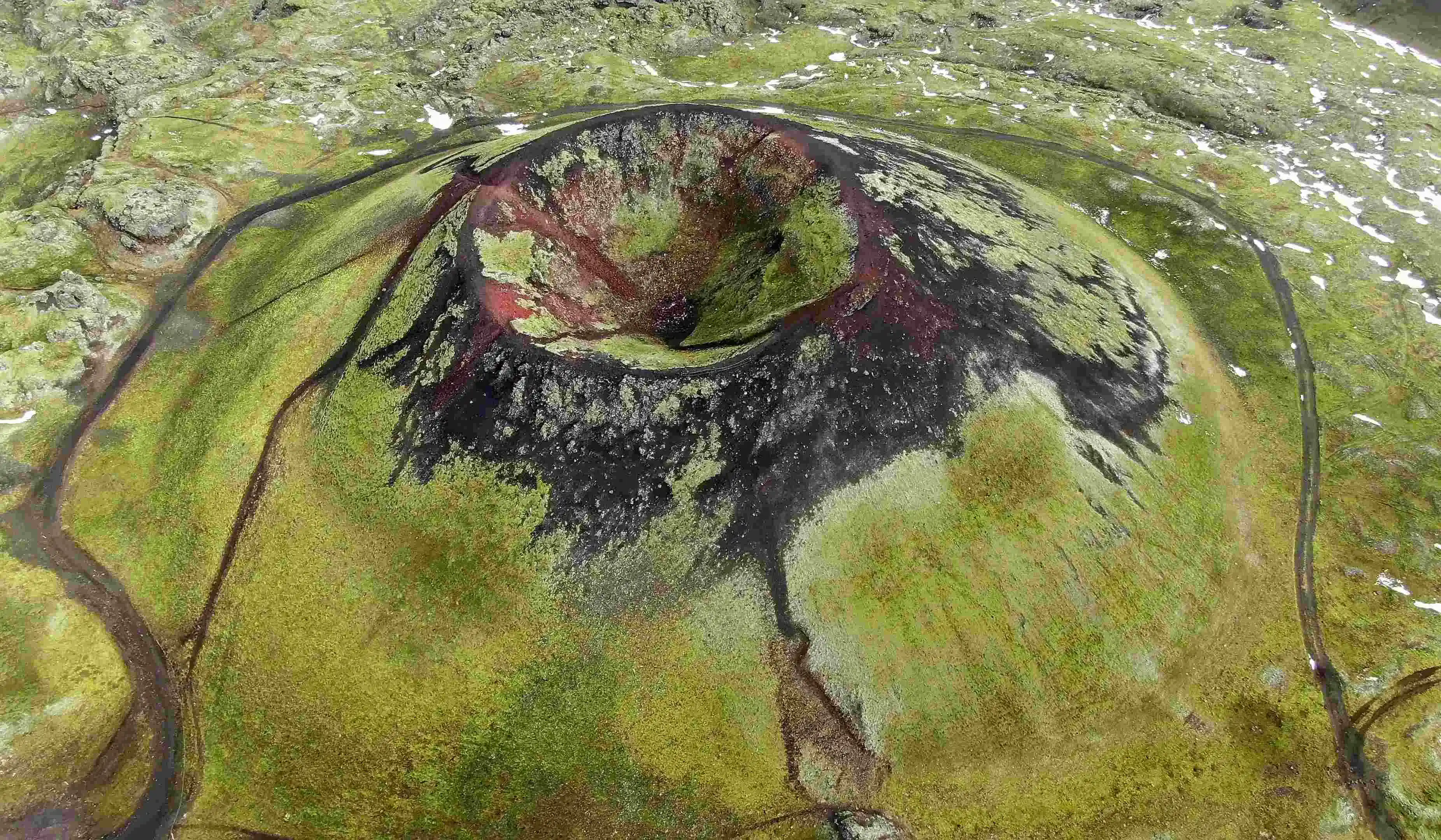
The Reykjanes Peninsula is a UNESCO Global Geopark and the world's most accessible section of exposed mid-ocean ridge. Fagradalsfjall, the volcanic system on the peninsula, has produced multiple fissure eruptions since its cycle began in March 2021. Current road access to active lava sites changes with each eruption event and is updated daily at almannavarnir.is. Visitors planning any peninsula excursion should consult How to See Lava Safely in Iceland (2026 Update) before departure.
Mývatn in North Iceland — approximately 5 hours from Reykjavík — concentrates pseudocraters, lava formations, fumaroles, and the Krafla caldera system in a single lake district that rivals the Golden Circle in geological diversity. Vatnajökull National Park, covering 14,141 km² in the southeast, encompasses active subglacial volcanic systems beneath Europe's largest glacier; Jökulsárlón Glacier Lagoon at the park's southern edge receives icebergs calved from Breiðamerkurjökull glacier.
South Coast waterfall sites:
- Seljalandsfoss — 60-metre waterfall with a walkable path behind the curtain; roadside access year-round
- Skógafoss — 62-metre single-drop waterfall; 527 climbable steps reach the ridge above
- Svartifoss — basalt-column waterfall inside Vatnajökull National Park; 90-minute return hike from the car park
For families travelling with children, Travelling with Children in Iceland: Top Activities & Tips maps the most accessible geotourism sites by age group across Iceland.
Where can I safely experience Iceland's volcanoes from Reykjavík?
Volcano Express at Harpa Concert Hall is an indoor, year-round, weather-independent cinematic motion-simulator volcano experience in central Reykjavík, using footage from the 2021–2024 Reykjanes Peninsula eruptions. Located on floor K2 of Harpa Concert Hall, Austurbakki 2, on Reykjavík's waterfront, every ticket includes a 30-minute pre-show area with live eruption footage, short films, an interactive eruption map, a live earthquake monitor, and the Instacrater photo experience — followed by a 10-minute cinematic ride with dynamic motion seating and real heat effects. Shows run every 15 minutes, daily 10:00–20:00. Volcano Express is suitable for ages 4 and up and operates on every day of the year, with no dependency on weather conditions or peninsula road access. Session times and ticket information are at volcanoexpress.is.
Starting the geotourism journey at Harpa
Families and solo visitors planning any Iceland geotourism itinerary find Harpa Concert Hall at Austurbakki 2 a natural anchor for the first day. Volcano Express on floor K2 runs daily from 10:00, fully indoors and weather-independent — a cinematic geological orientation before heading out to the lava fields, rift valleys, and glacier edges that define Iceland's physical landscape. For northern lights and volcanic day-trip planning from Reykjavík in a single itinerary, Northern Lights Iceland: Best Viewing Near Reykjavik + Volcano Day Trips covers the full seasonal picture. Session times for Volcano Express are at volcanoexpress.is.