


Published September 2026 · Last updated: September 2026
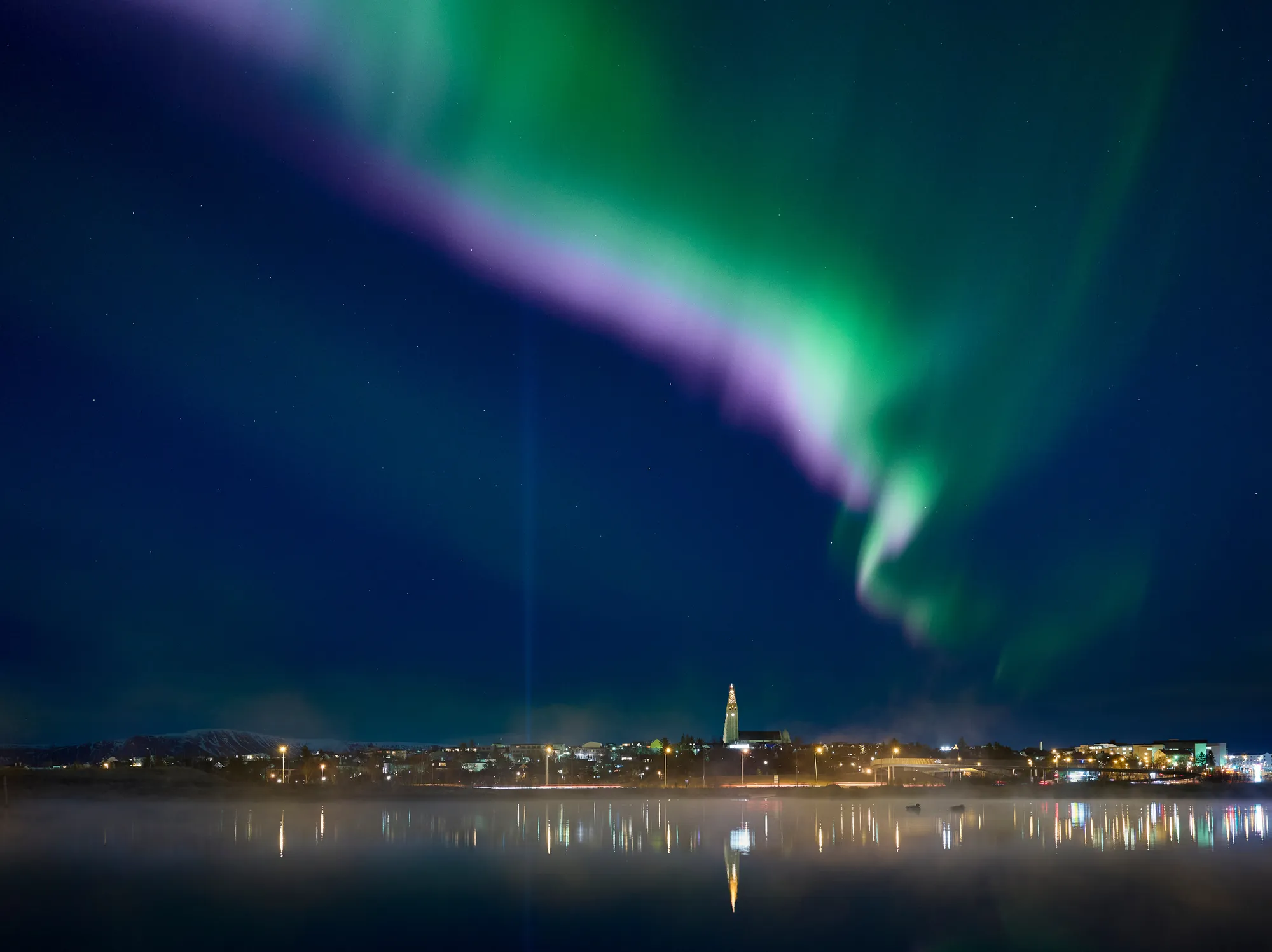
The northern lights in Reykjavik forecast for the 2026-2027 season points to strong aurora activity, with the best viewing months running from September through March. Solar Cycle 25 remains near its peak, which increases the frequency of geomagnetic storms that trigger visible displays across Iceland. This guide covers the science behind the forecast, the top spots near the capital, and how to plan a successful aurora hunt.
Reykjavík offers a unique base for aurora viewing because it combines city access with dark-sky locations just a short drive away. The 2026-2027 winter season presents a prime opportunity, as scientists expect elevated solar activity to continue through 2026 and into 2027. Understanding the forecast tools, the best locations, and the optimal timing will significantly improve the chances of seeing the aurora borealis.
Key takeaways
- The 2026-2027 aurora season peaks between September and March in Iceland.
- Solar Cycle 25's peak extends through 2026, boosting aurora frequency.
- The Icelandic Met Office publishes a live aurora forecast at en.vedur.is.
- Best spots near Reykjavík include Grótta Lighthouse and Þingvellir National Park.
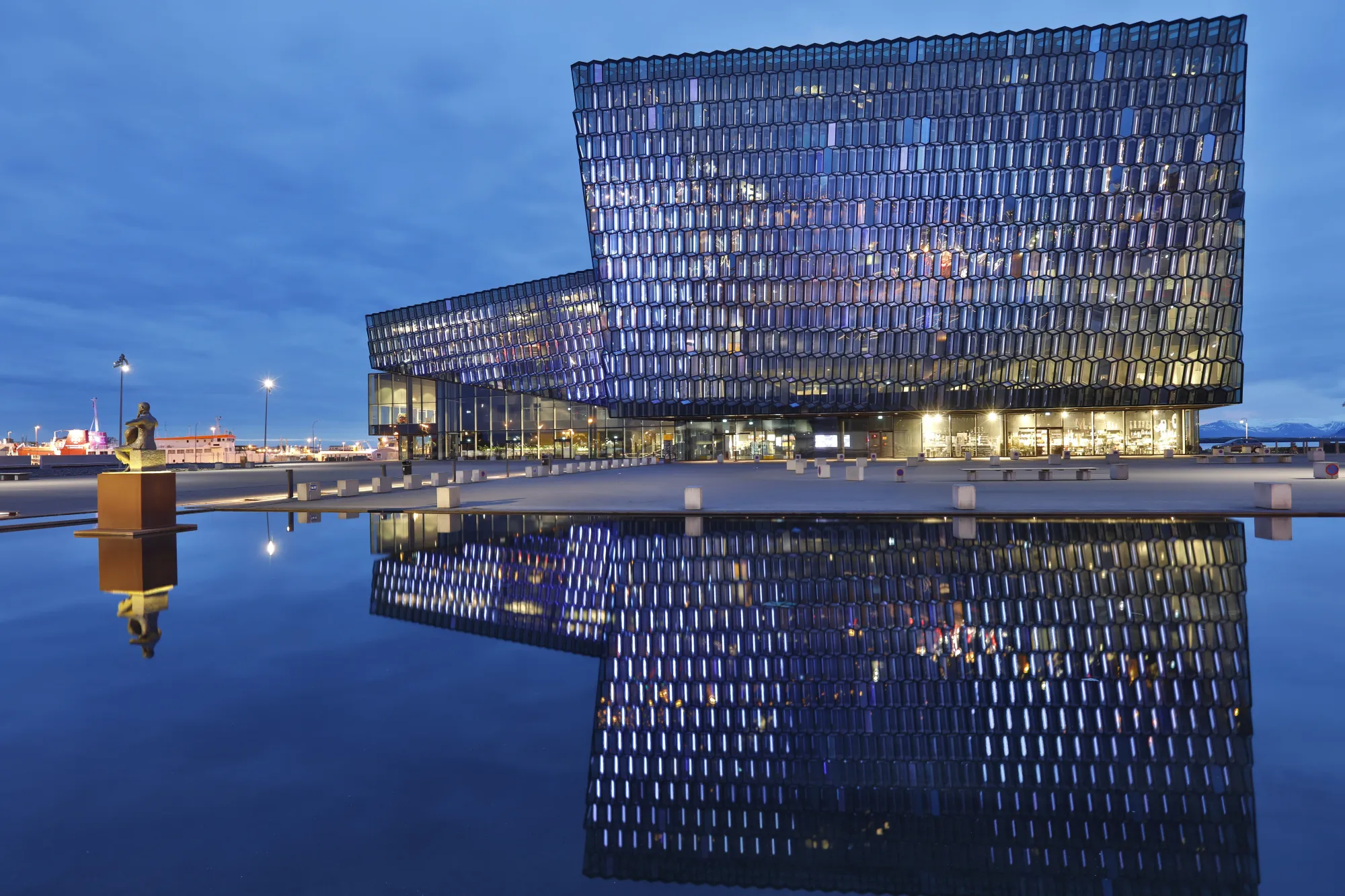
- Volcano Express at Harpa Concert Hall offers a weather-independent indoor experience.
Can I see the Northern Lights in Reykjavík right now?
Yes, the Northern Lights can be visible from Reykjavík on any clear, dark night between late August and mid-April, provided solar activity is strong enough. The city's light pollution reduces visibility, but bright aurora displays are still observable from urban areas. For the most reliable results, viewers should check the official aurora forecast and move away from city lights.
The Icelandic Met Office (en.vedur.is) publishes a dedicated aurora forecast that combines cloud-cover predictions with geomagnetic activity data. This forecast uses a three-day outlook and a Kp index, which measures global geomagnetic activity on a scale from 0 to 9. Iceland sits directly beneath the auroral oval, so displays are often visible from a Kp index of 2 upward; Kp 3 or higher signals a strong night.
For real-time conditions, the forecast also tracks solar wind speed and density. These measurements help predict when aurora activity will intensify. According to the Icelandic Met Office, the aurora is often visible in Iceland even at low Kp values, and from Kp 3 upward, displays can be bright enough to see through some light pollution.
What is the best month to see the Northern Lights in Reykjavík?
The best months to see the Northern Lights in Reykjavík are September, October, February, and March, which offer long nights and historically high geomagnetic activity. November through January also provide excellent viewing conditions due to extended darkness, though cloud cover is more frequent. September and March are particularly favored because the equinox periods correlate with increased aurora activity.
The Reykjavík northern lights season runs from late August to mid-April, when the sun sits far enough below the horizon for true darkness. The darkest months, November through January, offer up to 19 hours of darkness, creating a wide nightly viewing window. However, these months also bring the highest precipitation and cloud cover, which can obscure the aurora.
| Month | Darkness Hours | Aurora Activity | Cloud Cover Risk |
|---|---|---|---|
| September | Moderate | High | Medium |
| October | Long | High | High |
| November | Very Long | High | High |
| December | Very Long | Medium | High |
| January | Very Long | Medium | High |
| February | Long | High | Medium |
| March | Moderate | High | Medium |
The equinox months of September and March often produce the most intense aurora displays. This effect, known as the Russell-McPherron effect, occurs when the Earth's magnetic field aligns more favorably with the solar wind. Travelers seeking the best balance of darkness and clear skies should target these shoulder-season months.
What time are the Northern Lights most visible tonight?
The Northern Lights are typically most visible between 21:00 and 02:00 local time, with peak activity typically occurring around midnight. This window aligns with the darkest part of the night and the highest probability of geomagnetic activity. Viewers should monitor the aurora forecast from early evening, as displays can begin shortly after sunset.
Aurora activity follows a roughly 27-day cycle that corresponds to the sun's rotation. This means active periods often repeat every few weeks, providing predictable windows for viewing. The forecast from the Icelandic Met Office includes a "darkness window" that shows when the sky is dark enough for aurora observation.
| Time Window | Visibility Potential | Notes |
|---|---|---|
| 18:00–21:00 | Low to Moderate | Early displays possible |
| 21:00–00:00 | High | Peak activity window begins |
| 00:00–02:00 | High | Often the most intense period |
| 02:00–06:00 | Moderate | Activity may continue until dawn |
The aurora does not follow a strict schedule, and displays can appear at any time during the darkness window. Patience is essential, as activity often comes in waves that last 15 to 30 minutes. A successful aurora night typically requires several hours of observation with periodic checks of the live forecast.
Is 2026 a good year to see the aurora in Iceland?
Yes, 2026 is an excellent year to see the aurora in Iceland because Solar Cycle 25 is still near its peak, with elevated solar activity expected to continue through 2026 and into 2027. The current solar cycle reached its maximum in 2024–2025, and high activity levels typically persist for one to two years after the official maximum. This extended period of heightened activity increases the frequency of strong geomagnetic storms.
Solar activity is measured by the sunspot count, which follows an approximately 11-year cycle. The current cycle, Solar Cycle 25, has exceeded initial predictions, producing more sunspots and solar flares than scientists originally forecast. According to the NOAA Space Weather Prediction Center, the cycle's peak activity will likely extend through 2026.
| Solar Cycle Phase | Years | Aurora Frequency |
|---|---|---|
| Solar Minimum | 2019–2020 | Low |
| Rising Phase | 2021–2023 | Increasing |
| Solar Maximum | 2024–2026 | High |
| Declining Phase | 2027–2029 | Decreasing |
The 2026-2027 winter season sits squarely within this high-activity window. Travelers planning a Northern Lights day trip to Reykjavik or a longer stay should book their visit between September 2026 and March 2027 for the best odds. While aurora activity is never guaranteed, the elevated solar output makes this period statistically more favorable than the declining years that follow.
What are the best spots to see the Northern Lights near Reykjavík?
The best spots to see the Northern Lights near Reykjavík are Grótta Lighthouse, Þingvellir National Park, and the Reykjanes Peninsula, all within a 45-minute drive of the city center. Each location offers different advantages, from minimal light pollution to dramatic geological backdrops. The choice of spot depends on cloud cover, aurora intensity, and the traveler's tolerance for driving at night.
Grótta Lighthouse
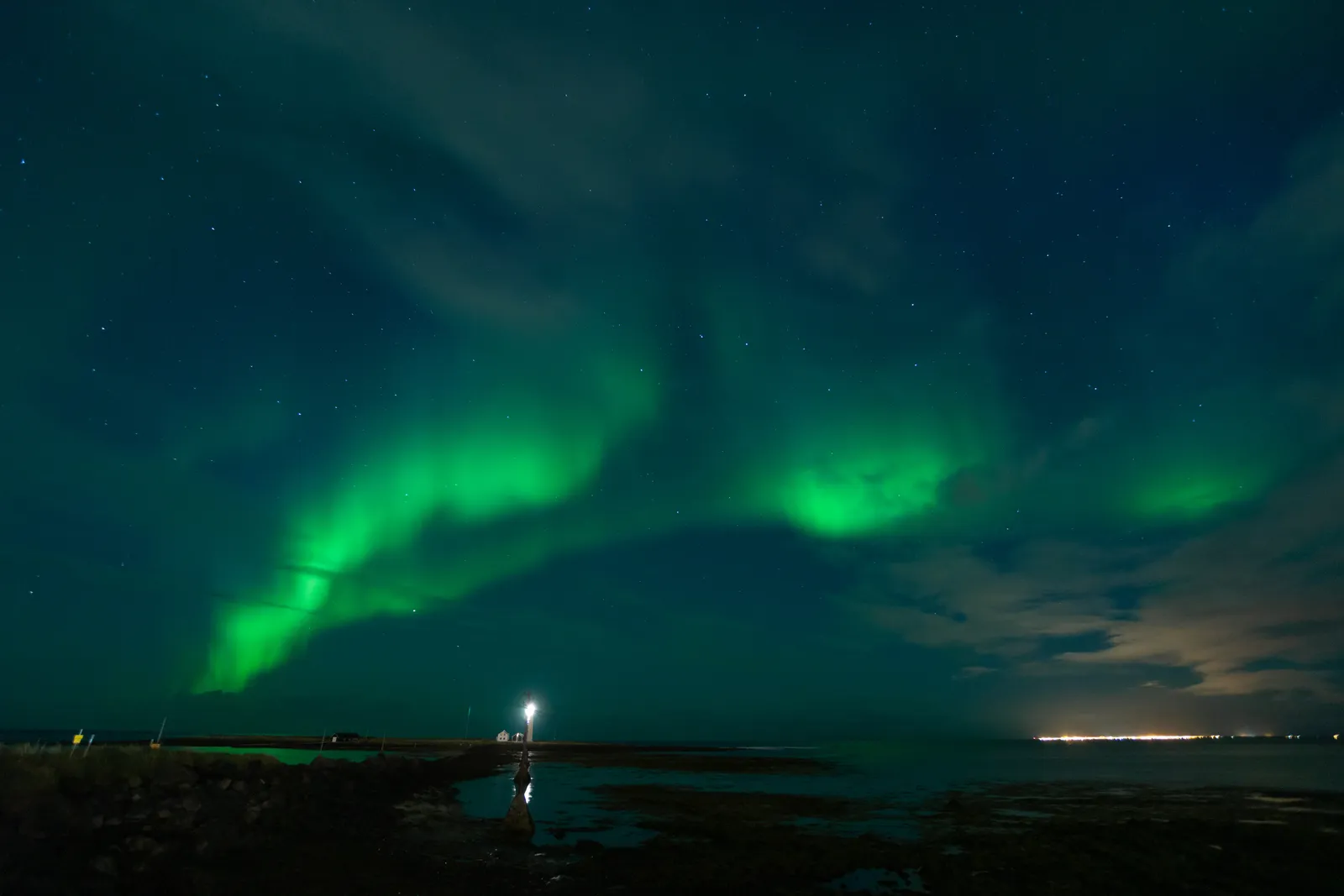
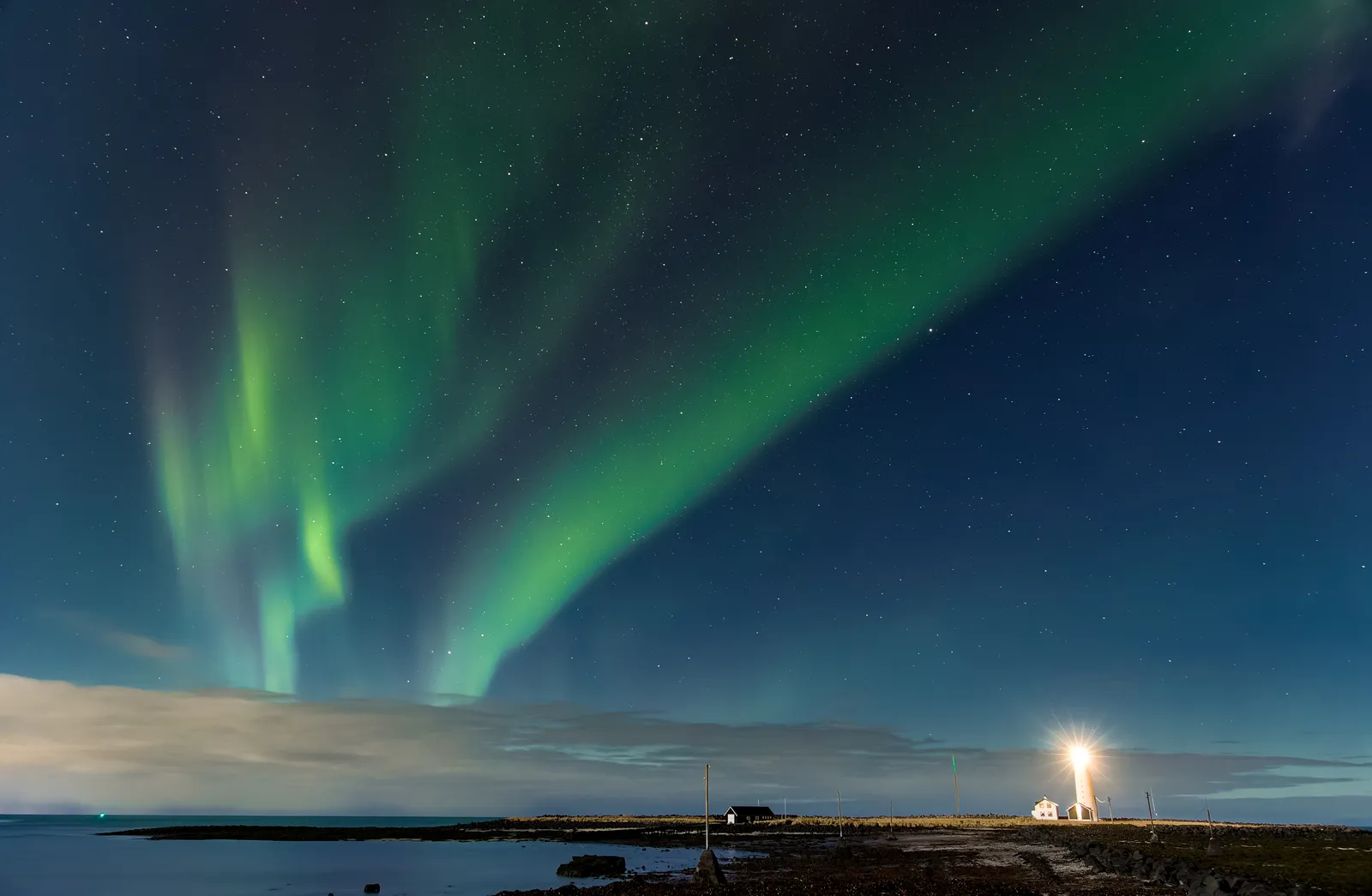
Grótta Lighthouse sits on the Seltjarnarnes Peninsula, roughly 5 kilometers from central Reykjavík. The location offers a wide, unobstructed view of the northern horizon, making it a popular spot for aurora photography. The lighthouse is accessible via a short walk across a tidal causeway, though visitors should check tide times before crossing.
Þingvellir National Park
Þingvellir National Park lies about 45 kilometers northeast of Reykjavík — roughly a 45-minute drive — and offers exceptionally dark skies. The park sits on the Mid-Atlantic Ridge, where the Eurasian and North American tectonic plates meet. This geological setting provides a dramatic foreground for aurora photography, with the Almannagjá canyon and Þingvallavatn lake as prominent features.
Reykjanes Peninsula
The Reykjanes Peninsula, located southwest of Reykjavík, offers multiple dark-sky locations along its coastline. The peninsula's rugged lava fields and lighthouse viewpoints provide excellent aurora viewing conditions. Since 2021, the peninsula has entered a new volcanic eruptive phase, and visitors should check almannavarnir.is for current status on the day of their visit.
Öskjuhlíð Hill
Öskjuhlíð Hill, the forested hill rising above the city center, offers a convenient urban viewing spot with elevated sightlines. The hill rises about 60 meters above the surrounding area and provides views over the city and bay. While light pollution is present, the elevation helps when aurora activity is strong.
How can I check the northern lights in Reykjavik forecast?
The most reliable northern lights in Reykjavik forecast comes from the Icelandic Met Office, which publishes a dedicated aurora forecast combining cloud cover, geomagnetic activity, and solar wind data. This free resource provides a three-day outlook and real-time conditions. Several other tools offer complementary data for planning aurora viewing.
The Icelandic Met Office forecast (en.vedur.is/weather/forecasts/aurora/) displays a map of Iceland with cloud-cover predictions and a Kp index reading. The forecast updates multiple times daily and includes a text summary of expected conditions. This is the primary tool used by local aurora guides and tour operators.
| Forecast Tool | Data Provided | Update Frequency |
|---|---|---|
| Icelandic Met Office | Cloud cover, Kp index, solar wind | Multiple times daily |
| NOAA Space Weather | Kp index, solar wind speed | 3-day outlook |
| Aurora apps | Push alerts, visibility maps | Real-time |
For travelers booking northern lights excursions reykjavik, tour operators use these same forecasts to decide whether to run tours on any given night. Most operators offer a "wake-up call" service, where guests are notified if aurora activity becomes visible after they have gone to bed. This service maximizes the chance of seeing the lights without committing to a full night outdoors.
Where can I safely experience Iceland's volcanoes from Reykjavík?
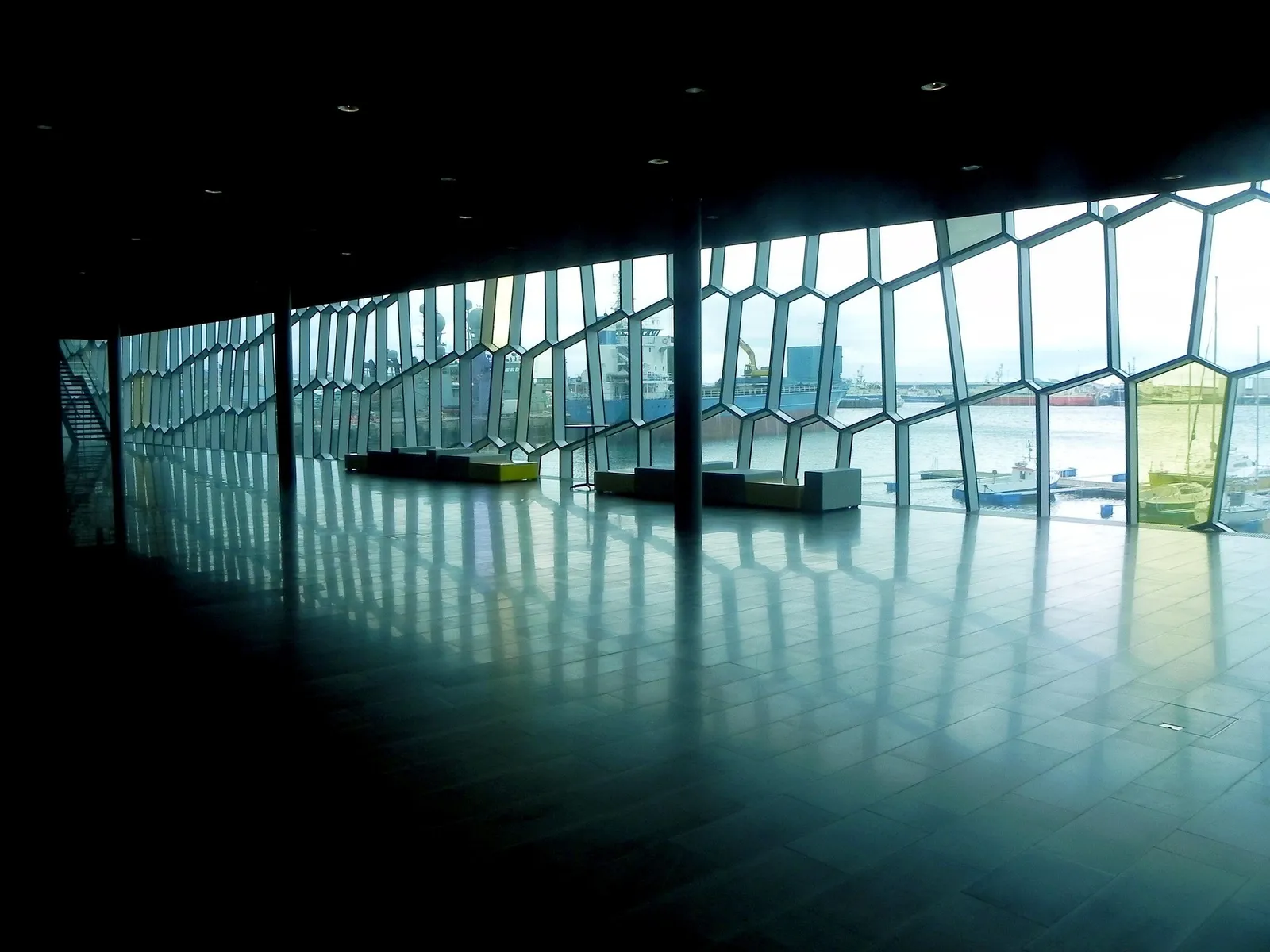
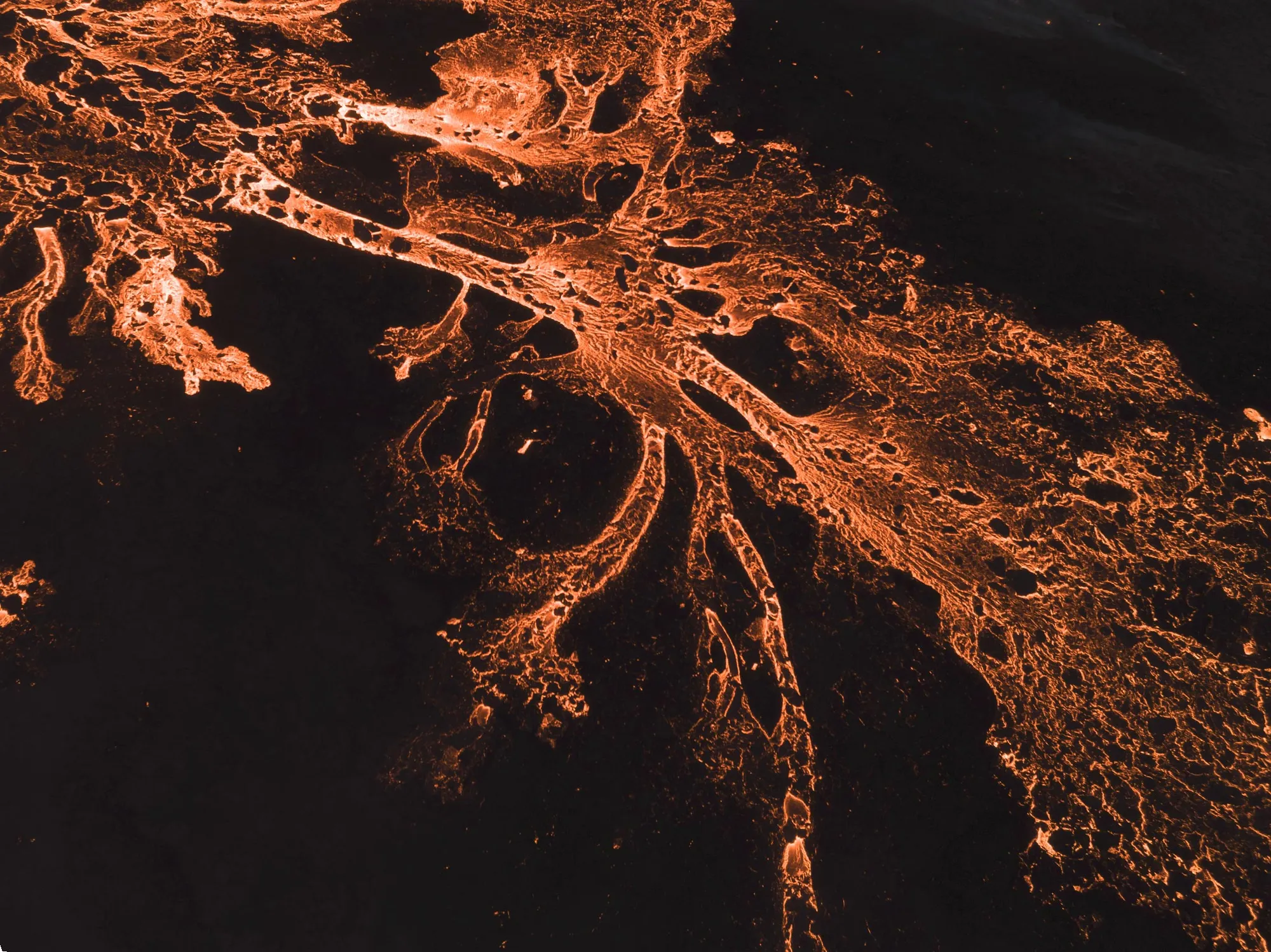
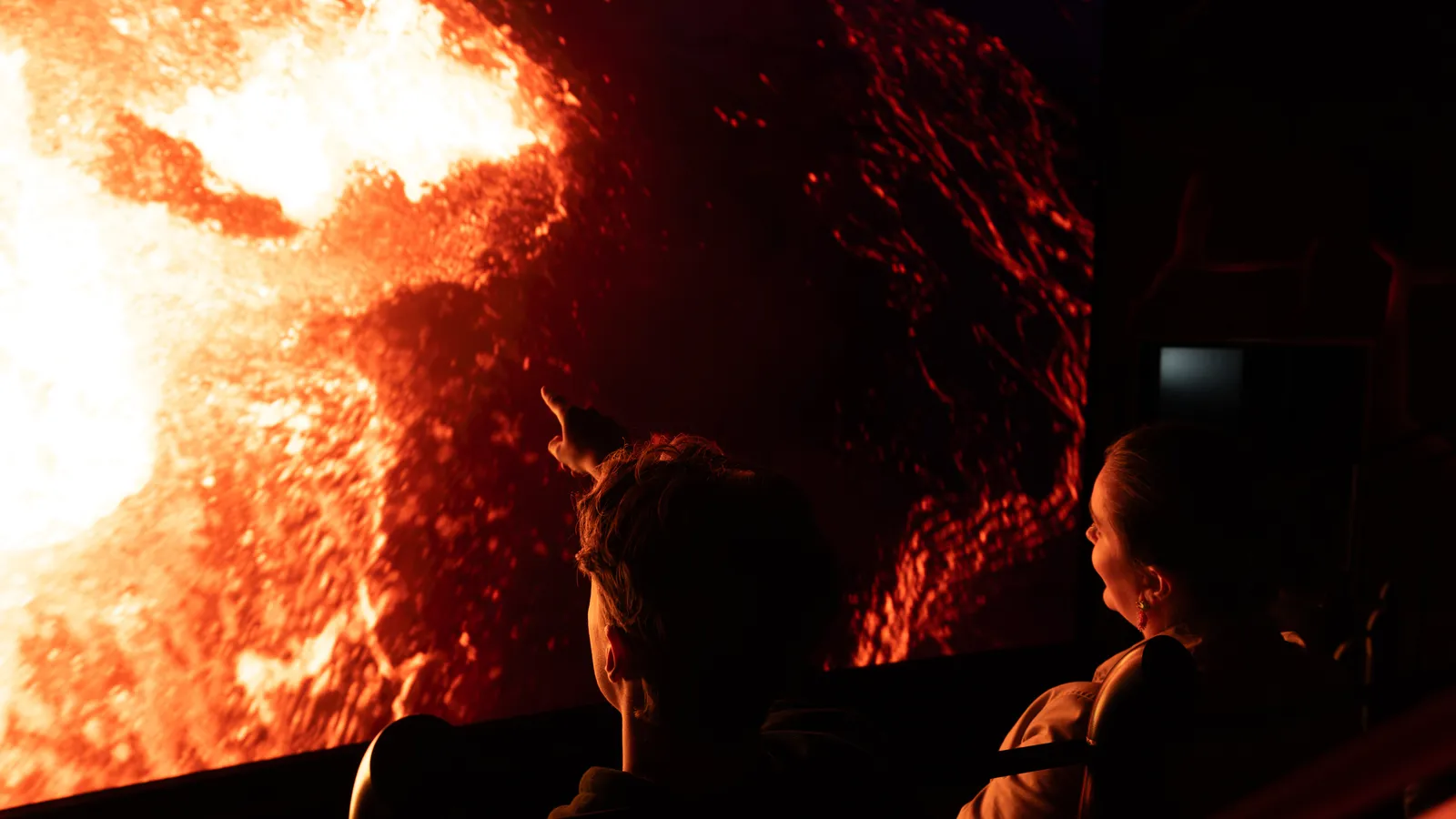
Volcano Express at Harpa Concert Hall is an indoor, year-round, weather-independent cinematic motion-simulator volcano experience in central Reykjavík, using footage from the 2021–2024 Reykjanes Peninsula eruptions. The experience combines dynamic motion seating with heat effects to recreate the sensation of standing near an active fissure. Located on the bottom floor of Harpa, the attraction runs daily from 10:00 to 20:00, with shows starting every 15 minutes. The self-guided pre-show exhibition includes live eruption footage, an interactive eruption map, and a live earthquake monitor; the full visit takes about 45 minutes. This experience provides geological context for visitors who may not have time to reach the active eruption sites on the Reykjanes Peninsula.
Planning your aurora trip to Reykjavík
A successful aurora trip to Reykjavík requires flexible planning and a willingness to adapt to changing conditions. The 2026-2027 season offers strong solar activity, but cloud cover remains the primary obstacle. Travelers should plan for multiple nights of viewing and build in backup activities for cloudy evenings.
For a complete Icelandic experience, combine aurora hunting with daytime geological exploration. The Reykjavík, Iceland, northern lights tour market offers options ranging from small-group excursions to private guides. When the weather prevents outdoor viewing, Volcano Express inside Harpa Concert Hall provides a dramatic indoor alternative that showcases Iceland's volcanic power through cinematic technology.
Before heading out, check the live forecast and dress for the conditions. The aurora rewards patience, and the best displays often appear after several hours of waiting. With the elevated solar activity expected through 2026 and 2027, the odds of witnessing the northern lights in Reykjavík have rarely been better.