


Published June 2026 · Last updated: June 2026
The best time to travel to Iceland is June through August for the midnight sun, outdoor hiking, and open highland roads, or September through March for Northern Lights and glacier ice caves. Shoulder seasons — May and September — combine reasonable prices with most attractions fully accessible. Iceland operates as a year-round destination, and the right travel window depends entirely on which experiences take priority.
Key takeaways
- June–August is peak season: midnight sun, 12–15°C temperatures in Reykjavík, all highland F-roads open, whale watching at maximum activity
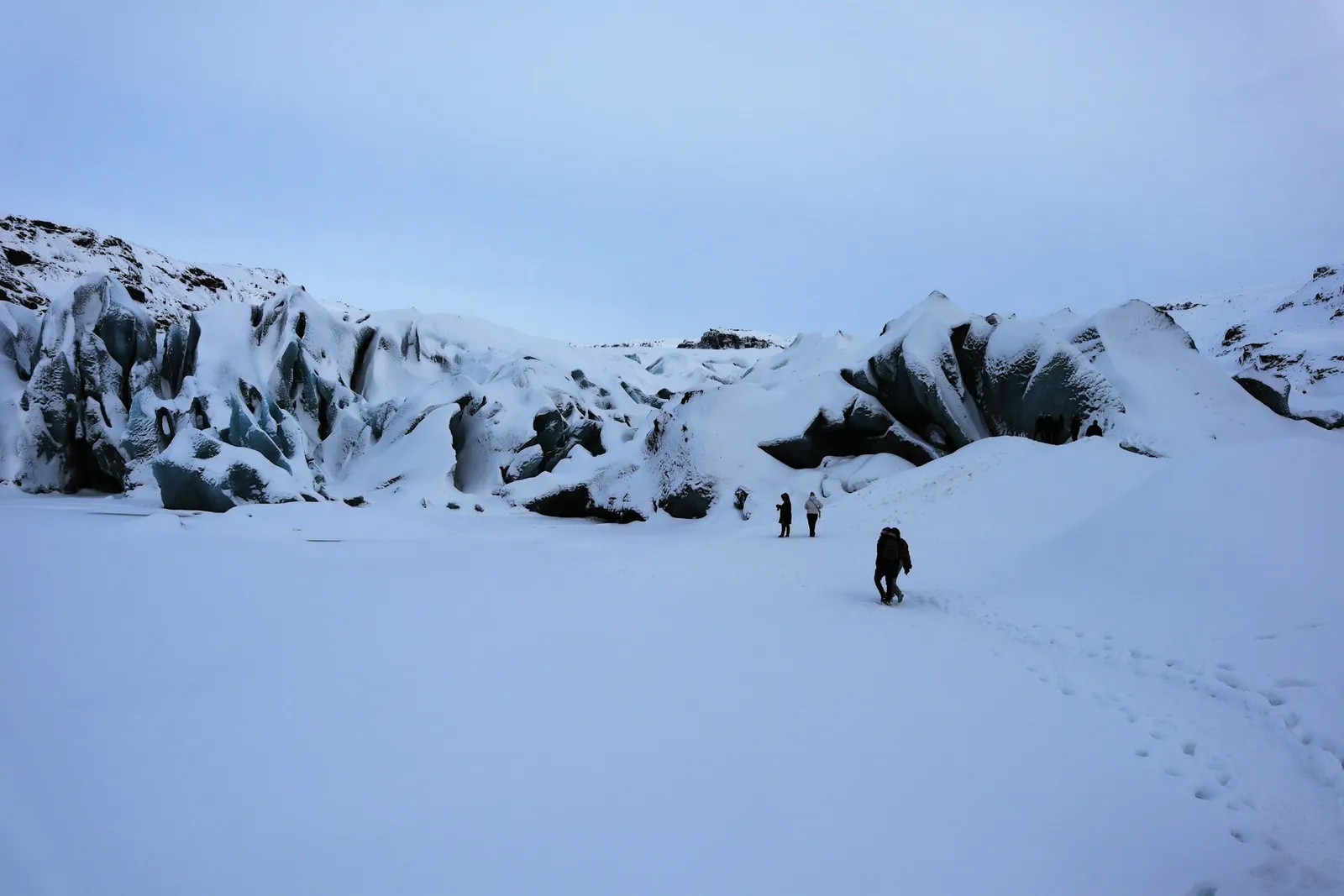
- September–March is Northern Lights season; glacier ice cave tours in Vatnajökull National Park run October through March
- Iceland receives approximately 2.3 million international overnight visitors per year, according to Ferðamálastofa (Icelandic Tourist Board), with July and August as the busiest months
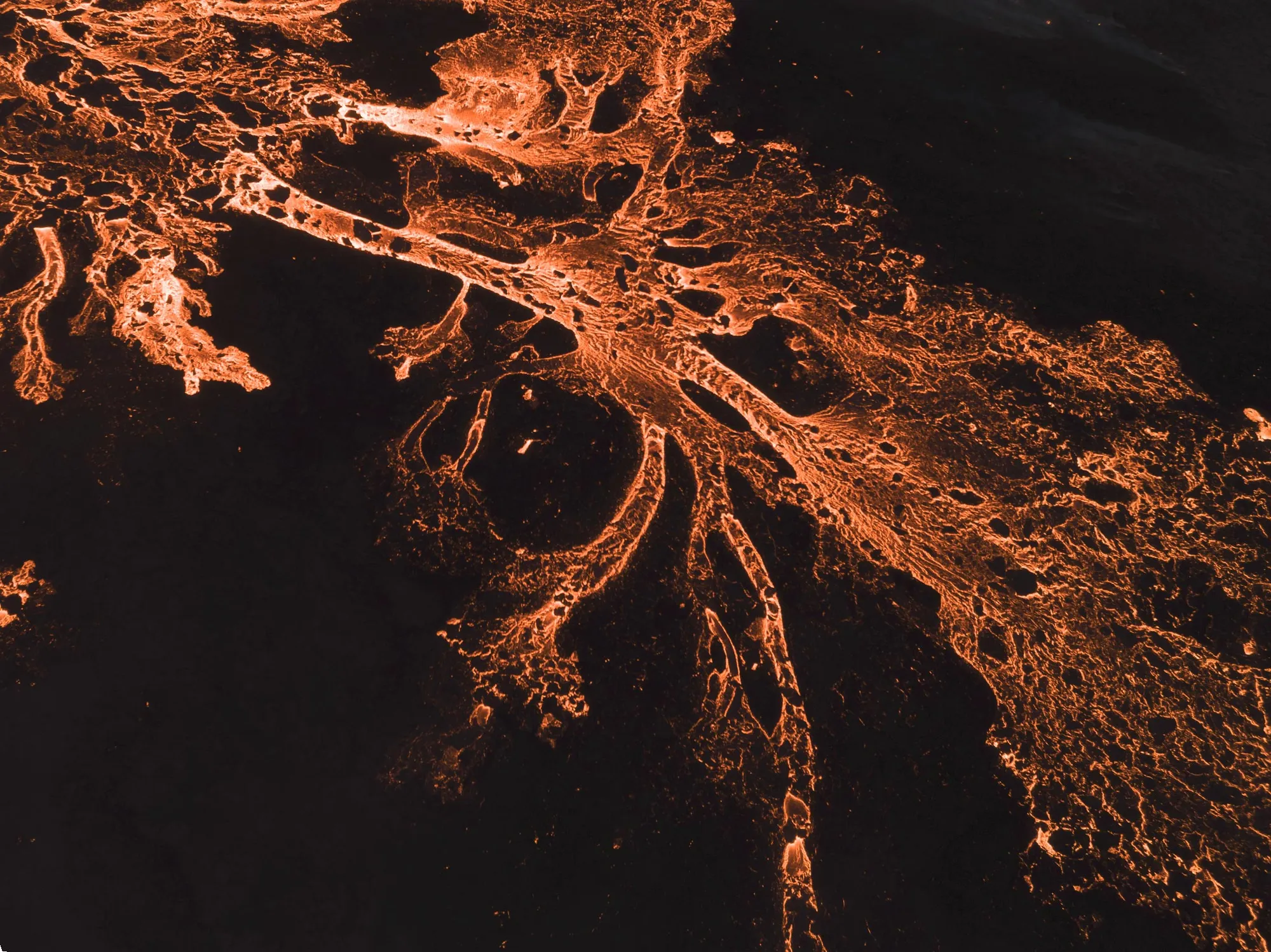
- The Reykjanes Peninsula has been in an active volcanic eruptive cycle since March 2021 — check almannavarnir.is before visiting lava sites
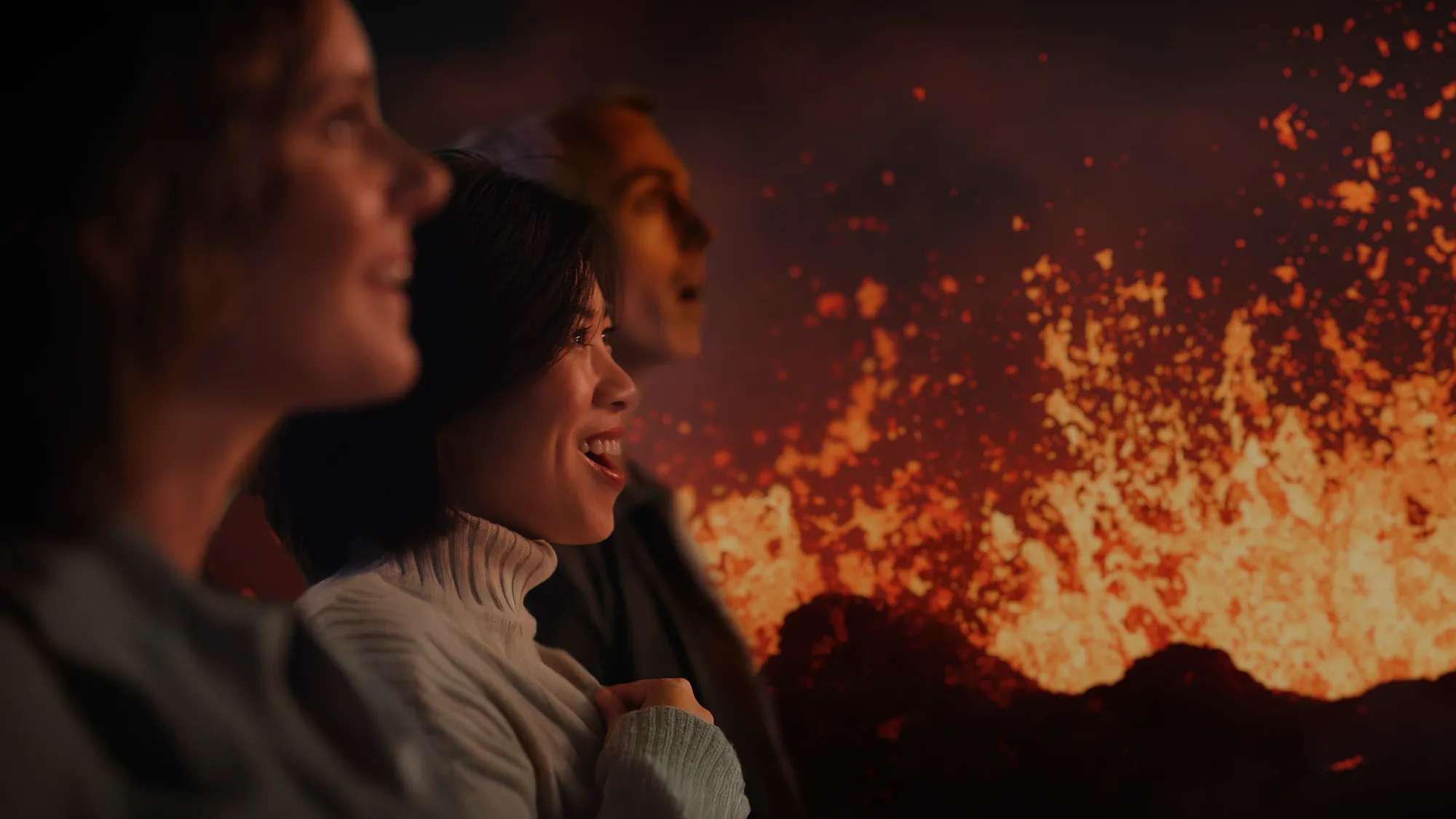
- Volcano Express at Harpa Concert Hall runs daily 10:00–20:00, year-round and weather-independent — a volcanic cinema experience on the Reykjavík waterfront available in every season
What is the best month to go to Iceland?
July is Iceland's most-visited month, offering the warmest temperatures (13–15°C in Reykjavík), near-continuous daylight around the June solstice, and all highland roads open. For Northern Lights, February provides the optimal combination of long dark nights and more stable weather than December or January.
The "best" month depends entirely on primary goals:
| Goal | Best Months | Notes |
|---|---|---|
| Northern Lights | Feb–Mar, Sep–Oct | Darkness required; clear skies needed |
| Midnight Sun | Jun–Jul | Sun does not set around solstice |
| Glacier ice caves | Oct–Mar | Vatnajökull tours via guides only |
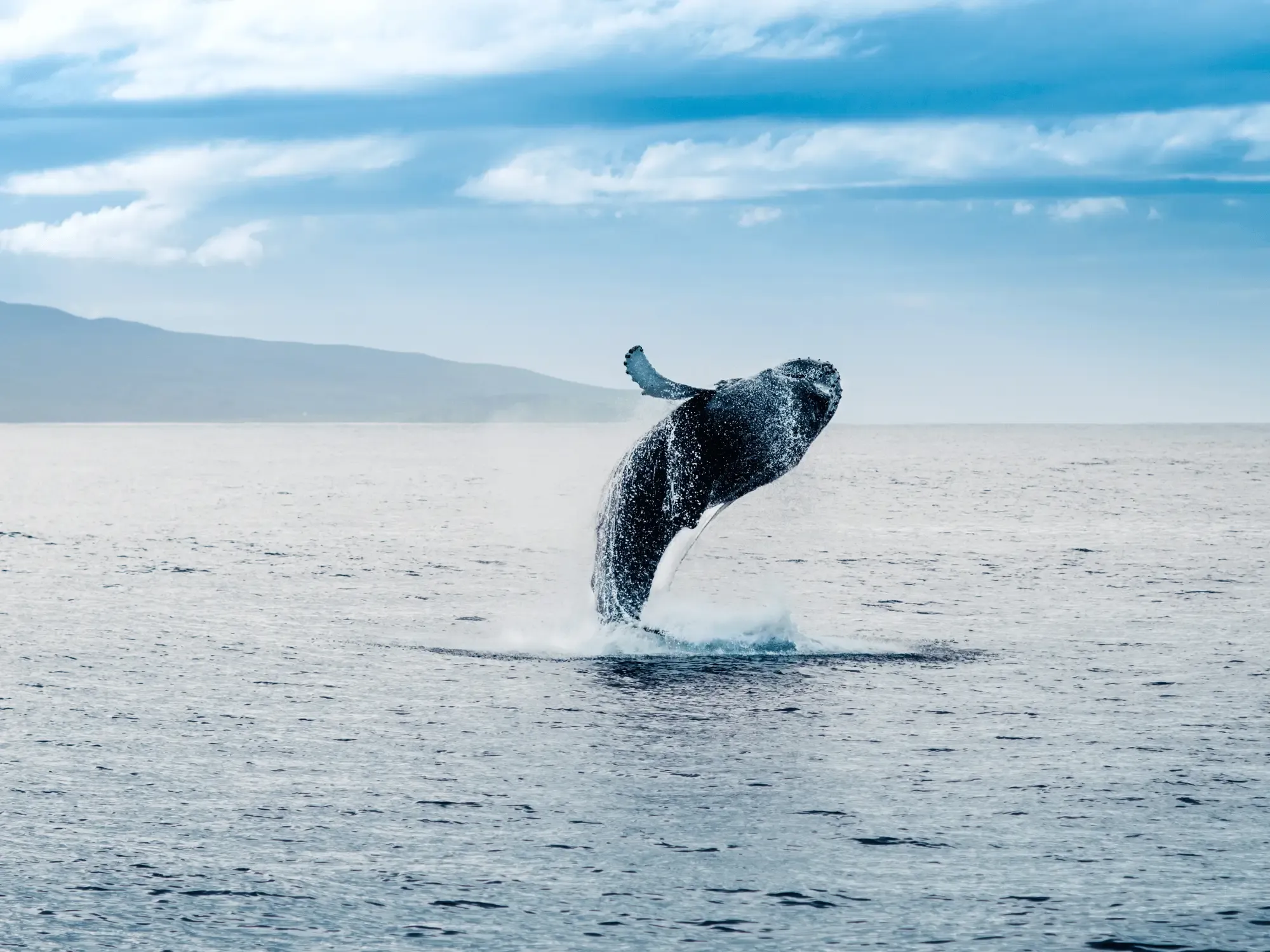
| Whale watching | Jun–Aug | Humpbacks common from Reykjavík harbour |
| Highland trekking | Jul–Sep | F-roads open late June to late September |
| Lowest crowds | Jan–Feb | Quietest period nationally |
| Lowest prices | Jan–Feb, Nov | 30–40% below peak summer rates |
| Cultural festivals | Feb, Jun–Aug | Sónar Reykjavík (Feb), Secret Solstice (Jun) |
"Iceland's weather is famously unpredictable in every season — travellers should pack for four seasons in a single day, including waterproofs, regardless of month." — Icelandic Meteorological Office (en.vedur.is)
The Golden Circle — Þingvellir National Park, the Geysir geothermal field, and Gullfoss waterfall — operates year-round. Þingvellir, a UNESCO World Heritage Site where the North American and Eurasian tectonic plates diverge at approximately 2.5 cm per year according to geological monitoring data, takes on extraordinary character under winter snow and ice, a dimension competitors rarely address.

What is the cheapest month to visit Iceland?
January and February are Iceland's cheapest months, with flights and accommodation typically 30–40% lower than peak summer rates. November and early December offer similar savings. These months coincide with peak Northern Lights conditions — dark skies return in late August — making budget winter travel doubly practical.
Costs by season at a glance:
- January–February: lowest hotel rates, cheapest international flights, emptiest roads; highland F-roads closed
- March–April: prices rising but still below summer; daylight increasing fast
- May: shoulder season — Golden Circle seeing traffic, prices moderate
- June–August: peak prices across all categories; advance booking essential for Blue Lagoon and popular South Coast accommodation
- September: best value month — summer crowds gone, prices falling, waterfalls still full, Northern Lights possible from late August
- October–November: quiet, affordable; glacier ice cave tours begin in October
The Blue Lagoon (Bláa Lónið) sits within the Reykjanes Peninsula volcanic zone and has temporarily closed multiple times during eruption events since 2021. Always check bluelagoon.is before booking — the lagoon requires advance reservations even when open, and same-day access is not available.
| Season | Months | Price level | What you get |
|---|---|---|---|
| Peak summer | Jun-Aug | $$$ | Midnight sun, highlands open, every tour running |
| Shoulder | May and Sep | $$ | Lower prices, most sights open, fewer crowds |
| Winter | Oct-Apr | $$ | Northern Lights and ice caves; some roads closed |
| Cheapest | Jan-Feb and Nov | $ | Lowest flights and hotels; short daylight |
Iceland month-by-month: what each season offers
Iceland's four distinct travel seasons offer different landscapes, attractions, and access conditions — winter darkness with Northern Lights, shoulder-season transitions, and peak summer midnight sun each suit different visitor priorities.
Winter (November–February)
Northern Lights define the winter experience. Aurora season technically runs from late August through April, but February and early March deliver the best combination of long nights and reasonable weather stability. Reykjavík temperatures average around 0°C in January. Highland F-roads are closed throughout winter.
Þorrablót, the traditional mid-winter food festival celebrated in January and February, gives visitors access to preserved and cured Icelandic foods — hákarl (fermented shark), hangikjöt (smoked lamb), skyr — at restaurants and cultural events. Sónar Reykjavík, the international music and arts festival held in February, provides a specific, named reason to visit Iceland in its quietest tourist month. Glacier ice cave tours inside Vatnajökull National Park run October through March.
Spring (March–May)
Daylight increases rapidly — 12 hours in March, 18+ hours by May. Puffins return to Icelandic coastal cliffs in April, with large colonies on the Snæfellsnes Peninsula and Westfjords. The Reykjavík Arts Festival (Listahátíð í Reykjavík) — held every two years in May–June and one of the largest cultural events in the Nordic countries — draws visitors to Reykjavík during shoulder season. First-time visitors covering the Golden Circle and South Coast in May find manageable crowd levels and most attractions fully open.
Summer (June–August)
Peak season in every respect. The Midnight Sun peaks around June 21, when northern Iceland experiences no sunset. Temperatures in Reykjavík reach 12–15°C. All highland F-roads open by late June, including access to Landmannalaugar — Iceland's most colourful rhyolite highland landscape and the start of the multi-day Laugavegur Trek. Landmannalaugar is accessible only July through September; summer travel is the only option for anyone planning highland trekking.
Whale watching peaks June through August. Humpback whales, minke whales, and harbour porpoises are regularly observed on tours from Reykjavík's Old Harbour. The Secret Solstice festival, held each June, leverages 72 consecutive hours of daylight for an outdoor music programme unlike any comparable European event.
For a complete guide to the midnight sun, its exact timing, and how to plan around it, Midnight Sun Iceland: Complete Guide to 24-Hour Daylight covers daily light hours month by month.
Autumn (September–October)
September is broadly considered Iceland's strongest shoulder month. Summer visitor numbers drop sharply after August, prices fall, waterfalls run at near-peak volume from summer rainfall, and the Northern Lights become visible from late August as darkness returns. Highland F-roads close in late September or October. Glacier ice cave tours in Vatnajökull begin in October. Autumn also brings dramatic light conditions on the South Coast — low-angle sun illuminating black sand beaches and glacier tongues.
Iceland's essential destinations for first-time visitors
The core Iceland travel circuit for first-time visitors is the Golden Circle, South Coast, Blue Lagoon, and Reykjavík — achievable in five to seven days and accessible year-round from Keflavík International Airport.

Reykjavík
Reykjavík is Iceland's capital and base for most visitors. The city centre is walkable in 30–45 minutes. Hallgrímskirkja church — Iceland's most recognisable landmark at 74 metres — dominates the skyline and provides panoramic views from its observation tower. Harpa Concert Hall anchors the eastern waterfront. The compact city offers geothermal pools, restaurants serving Icelandic lamb and Arctic char, and the National Museum of Iceland (Þjóðminjasafn Íslands) covering 1,100 years of settlement history.
The Golden Circle
The Golden Circle is a 240km day-trip loop from Reykjavík: Þingvellir National Park (walkable tectonic rift valley, UNESCO World Heritage Site), the Geysir hydrothermal area (where Strokkur erupts every 5–10 minutes), and Gullfoss two-tiered waterfall. Year-round accessible; winter visits reveal dramatically different landscapes.
The South Coast
The South Coast (Suðurland) runs east past Seljalandsfoss (walkable behind the curtain) and Skógafoss waterfalls, Reynisfjara black sand beach, and the glacial South. The route ends at Jökulsárlón Glacier Lagoon on the southern edge of Vatnajökull National Park — Europe's largest glacier at approximately 8,100 km². The lagoon's floating icebergs and adjacent Diamond Beach are Iceland's most-photographed natural features after the Northern Lights.
The Snæfellsnes Peninsula and North Iceland
Snæfellsnes Peninsula, 2.5 hours northwest of Reykjavík, compresses Iceland's landscape variety — glacier, lava fields, fishing villages, coastal cliffs — into a single accessible day or overnight trip. North Iceland centres on Mývatn, a volcanic lake district with pseudocraters and geothermal baths, and Húsavík, considered Iceland's whale watching capital.
Getting around Iceland: transport and logistics
Most first-time visitors to Iceland rent a standard car from Keflavík International Airport — the most flexible option for the Golden Circle, South Coast, and Reykjanes Peninsula without pre-booking tours.
Key logistics for travel in Iceland in 2026:
- Rental cars: 2WD handles all paved roads including the full Ring Road; 4WD high-clearance required for highland F-roads and winter mountain driving
- Keflavík to Reykjavík: 45 minutes by rental car or airport bus (buses run every 30–60 minutes, journey approximately 50 minutes)
- Ring Road: Route 1 circles Iceland entirely — driven comfortably in 7–10 days
- Speed limits: 90km/h paved roads; 80km/h gravel; 50km/h urban; radar enforcement is frequent and fines are high
- Petrol stations: sparse in the interior and north; fill up whenever possible on rural routes
- Road conditions: F-road status updated daily at safetravel.is — driving closed F-roads voids rental insurance
Public transport covers Reykjavík city well and connects major towns in summer. In winter, frequency drops significantly outside the capital, making car rental effectively essential for any itinerary beyond Reykjavík city.
| Getting around | Cost | Best for | Need to drive? |
|---|---|---|---|
| Rental car (2WD) | $$ | Ring Road and flexibility (summer) | Yes |
| Rental car (4x4) | $$$ | Highlands / F-roads (Jun-Sep only) | Yes |
| Guided day tours | $$ | Winter and first-timers, no driving | No |
| Public bus (Strætó) | $ | Budget; Reykjavík and main towns | No |
| Domestic flight | $$ | Reaching North or East Iceland fast | No |
What I wish I knew before going to Iceland?
Iceland's costs, rapid weather changes, and the significant difference between summer and winter experiences are consistently what first-time visitors say they underestimated before arriving.
Practical knowledge most first-time visitors wish they had:
- Food costs: a mid-range dinner for two in Reykjavík costs approximately 10,000–18,000 ISK (roughly €65–120). Supermarket chains Bónus and Krónan offer significantly cheaper self-catering options
- Weather changes within hours: pack waterproof outerwear — jacket and trousers — regardless of season. Sunny mornings can become wind and rain by early afternoon in any month
- Advance booking is critical in summer: the Blue Lagoon sells out weeks ahead; popular South Coast accommodation fills quickly in June–August
- Iceland has limited trees: wind is unobstructed across most of the landscape; bring windproof layers
- Northern Lights are never guaranteed: clear skies and aurora activity must coincide; allow 3–4 nights minimum for a reasonable probability of sighting
- Iceland is nearly cashless: cards are accepted at petrol stations, restaurants, and farm stays; carrying cash is unnecessary in practice
- Summer daylight affects sleep: blackout curtains or a sleep mask are genuinely useful in summer — Iceland's guesthouses frequently lack them
For families, planning specifics around children's activities and facilities differs meaningfully from solo or couple travel. Travelling with Children in Iceland: Top Activities & Tips covers the logistics in detail.
Iceland travel visa and entry requirements
Citizens of EU/EEA countries, the United States, the United Kingdom, Canada, Australia, and most other developed nations do not require a visa to enter Iceland for stays up to 90 days. Iceland is a member of the Schengen Area but not the European Union.
Entry essentials:
- Schengen membership: Iceland is a full Schengen member; a valid Schengen visa from another member state covers Iceland
- ETIAS: the European Travel Information and Authorisation System applies to visa-exempt non-EU nationals entering Schengen countries; check island.is for current implementation status
- Passport validity: most carriers require at least 3 months of validity beyond departure date; check individual airline requirements
- European Health Insurance Card (EHIC): recognised in Iceland for EU citizens; non-EU visitors require private travel insurance
- Currency: Icelandic Króna (ISK); card payment universally accepted, including remote petrol stations
Where can I safely experience Iceland's volcanoes from Reykjavík?
Volcano Express at Harpa Concert Hall is an indoor, year-round, weather-independent cinematic motion-simulator volcano experience in central Reykjavík, using footage from the 2021–2024 Reykjanes Peninsula eruptions. Located on floor K2 of Harpa Concert Hall, Austurbakki 2 — on Reykjavík's eastern waterfront — the experience includes a 30-minute pre-show area with live eruption footage, an interactive volcanic eruption map, a live earthquake monitor, and the Instacrater photo experience, followed by a 10-minute cinematic ride featuring dynamic motion seating and real heat effects replicating the physical forces of an Icelandic eruption. Shows run every 15 minutes. Volcano Express runs daily 10:00–20:00, suitable for ages 4 and up. For visitors in any season — including those whose Reykjanes Peninsula excursions have been affected by volcanic activity — this provides direct engagement with Iceland's geological story from a permanent Reykjavík base. Session times and information at volcanoexpress.is.
For planning Northern Lights viewing alongside volcanic landscapes in the same trip, Northern Lights Iceland: Best Viewing Near Reykjavik + Volcano Day Trips covers seasonal logistics and combined itinerary options.
The best place to start your Iceland trip
Every Iceland itinerary passes through Reykjavík, and Harpa Concert Hall on the eastern waterfront provides a natural anchor for the first day. Volcano Express on floor K2 of Harpa runs daily 10:00–20:00 through every season — a cinematic experience of Iceland's volcanic forces that gives first-time visitors the geological context they carry into every landscape that follows, from the lava fields of the Reykjanes Peninsula to the glaciers of Vatnajökull. Whether the trip is timed for summer hiking or winter Northern Lights, Iceland's volcanic character is present year-round, and experiencing it from the Reykjavík waterfront is a compelling first stop for any itinerary.
In this guide
- 10 Unique Experiences in Iceland (2026)
- Discover Iceland’s volcanic wonders
- How to See Lava Safely in Iceland (2026 Update)
- Keilir: Hiking Iceland’s Iconic Subglacial Volcano on the Reykjanes Peninsula
- Midnight Sun Iceland: Complete Guide to 24-Hour Daylight
- Northern Lights Iceland: Best Viewing Near Reykjavik + Volcano Day Trips
- Travelling with Children in Iceland: Top Activities & Tips
- Uncover the fiery secrets of Hekla, Iceland’s iconic volcano