


Published August 2026 · Last updated: August 2026
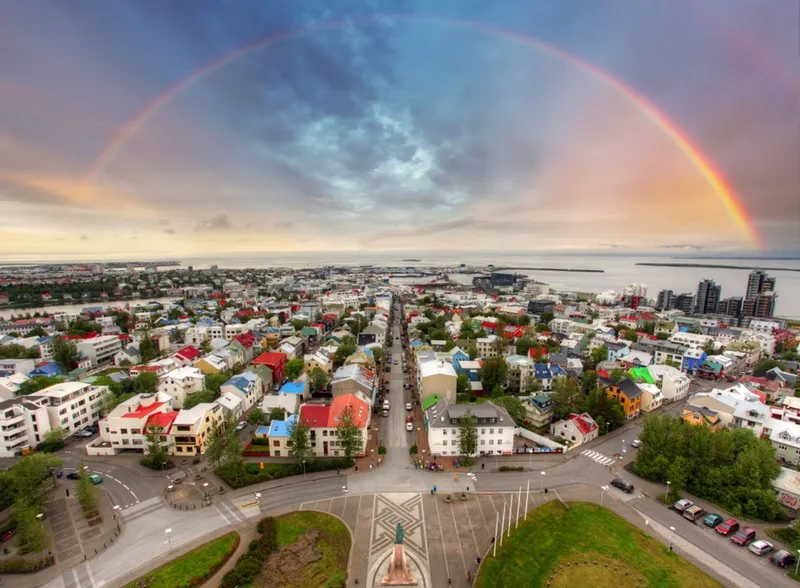
The best things to do in Reykjavík in the fall are walking the city from Hallgrímskirkja, a food walk, whale watching from the Old Harbour, the indoor Volcano Express at Harpa, the geothermal pools and Sky Lagoon, hiking Esja on a clear day, and — from September onwards — hunting the northern lights. There is something special about Reykjavík in the fall. The days are getting shorter, the air has that unmistakable crispness to it, and the city starts to feel a little more relaxed after the busy summer months. You might get sunshine one minute, rain the next, and then find yourself standing under a rainbow with Esja in the distance. That unpredictability is part of the charm.
Autumn in Iceland is short, and the months depend on who you ask, but it typically stretches from late August through mid-October, making it a fantastic time to visit before the darker, colder winter months arrive. The landscapes take on autumn colors, the evenings become dark enough for the northern lights, and Reykjavík settles into a cozy rhythm.
Key takeaways
- Icelandic autumn runs roughly late August to mid-October — thinner crowds, softer light, lower prices than summer
- Northern lights become possible again from September, once nights are properly dark
- Reykjavík still has 10–13 hours of daylight in September for outdoor plans
- Volcano Express at Harpa Concert Hall runs daily 10:00–20:00 whatever the weather does
- The season rewards flexibility: plan outdoor days around the forecast at en.vedur.is
Why is Reykjavík so great in autumn?
One of the best things about visiting Reykjavík in the fall is that you get something of a sweet spot between summer and winter.
Summer is wonderful in Iceland, of course, but it is also the busiest season. By autumn, the crowds have thinned, accommodation and tours can feel less hectic, and you can experience the city at a slower pace. At the same time, you still have plenty of daylight for exploring, particularly in September and early October.
The scenery is another reason to come. The leaves around Reykjavík and the surrounding countryside turn shades of gold and red, while the low autumn light can make the mountains and coastline look completely different from how they do in summer.
This is the season for wandering into a café after a walk, ordering something warm, and watching the weather roll across the harbour. It is also the perfect time to discover Icelandic food, spend an afternoon in a swimming pool, and make spontaneous plans depending on what the sky is doing.
And then there are the northern lights. As the nights become properly dark, the possibility of seeing the aurora returns. Autumn is not a guarantee, but it gives you increasingly good opportunities, especially from September onwards.
Start with Hallgrímskirkja
If it is your first time in Reykjavík, make your way up to Hallgrímskirkja. You can see the church from many parts of the city, sitting prominently above the colorful houses and streets of central Reykjavík.
The church itself is worth seeing, but try to go inside and head up the tower, where you get a wonderful view over the city and the surrounding landscape. On a clear autumn day, Esja across the bay is particularly impressive.
Afterward, wander downtown. This is one of the nicest things about Reykjavík: you don't always need a complete itinerary. Roam along Skólavörðustígur, browse the shops, stop for coffee, and eventually make your way towards Laugavegur and the city center. For a fuller city plan, see our Reykjavík itineraries and attractions guide.
Take a food walk through Reykjavík
Autumn is a great time for eating, and a food walk is one of the easiest ways to get a feel for Reykjavík. Rather than simply sitting down for one big Icelandic meal, a food walk lets you try several different things while walking around the city and learning a little about Icelandic food and everyday life. You might find yourself sampling fresh fish, Icelandic lamb, rye bread, ice cream, pastries, or some of the more unusual local specialties.
It is also a good activity for one of those classic Reykjavík days when the weather cannot quite make up its mind. You can be outside for stretches of the walk, duck into warm restaurants and cafés, and keep moving rather than spending the whole afternoon indoors.
See Iceland from the water on a whale-watching trip
Whale watching is another activity that works particularly well as part of an autumn trip to Reykjavík. Boats leave from the Old Harbour and head out into Faxaflói Bay, meaning you do not have to spend hours traveling from the capital before the experience even begins. Minke whales, humpback whales, dolphins, and harbour porpoises are among the species commonly seen in the area, although wildlife is wildlife and sightings can never be guaranteed.
Autumn can bring some beautiful days on the water. If the sea is calm and the sky is clear, you get a completely different perspective of Reykjavík, with the city behind you and the mountains stretching around the bay. Just make sure to dress warmly. Even if Reykjavík feels comfortable when you leave the hotel, it will feel considerably colder once you are out on the water.
Visit Volcano Express when the weather turns
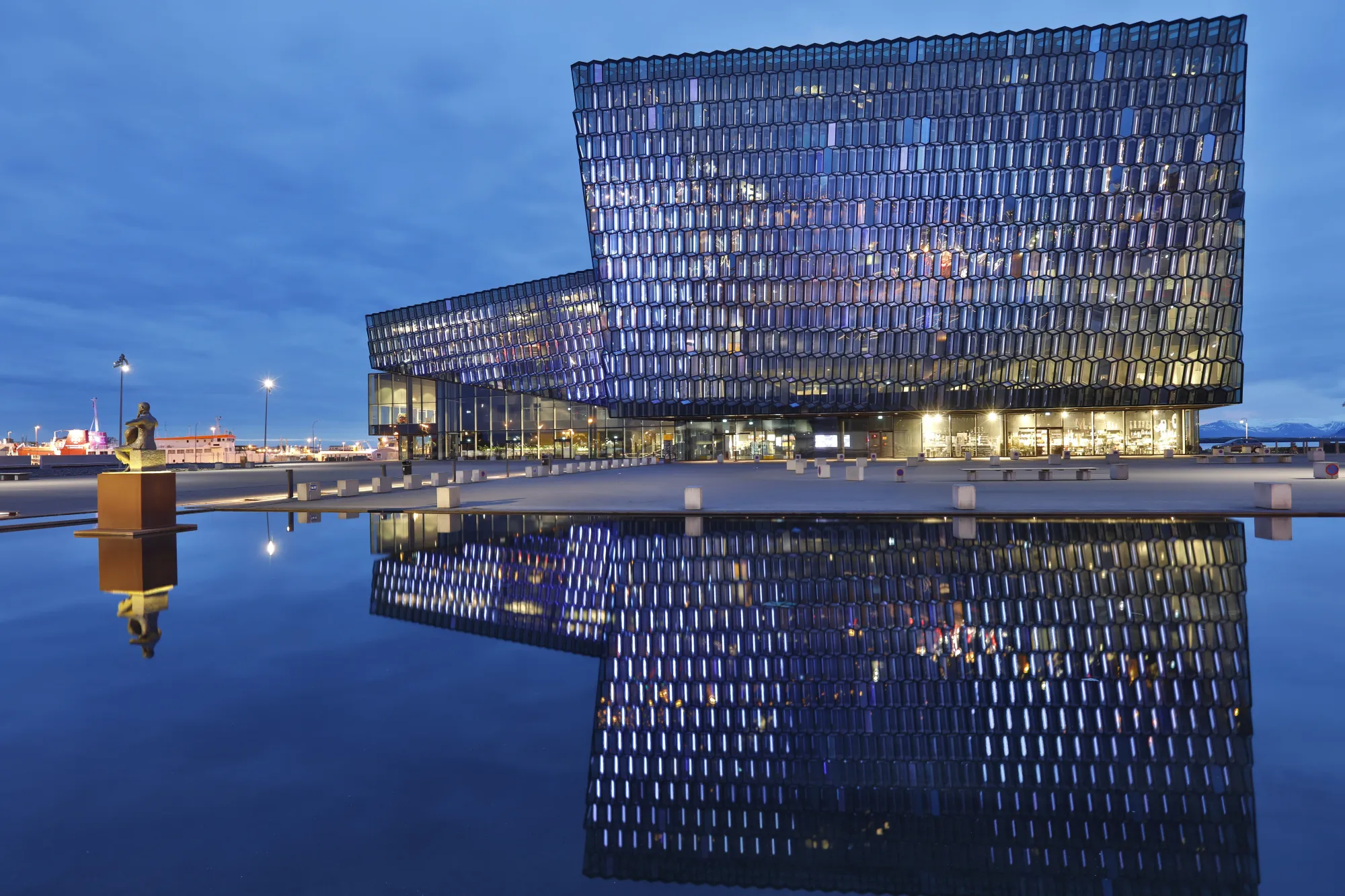
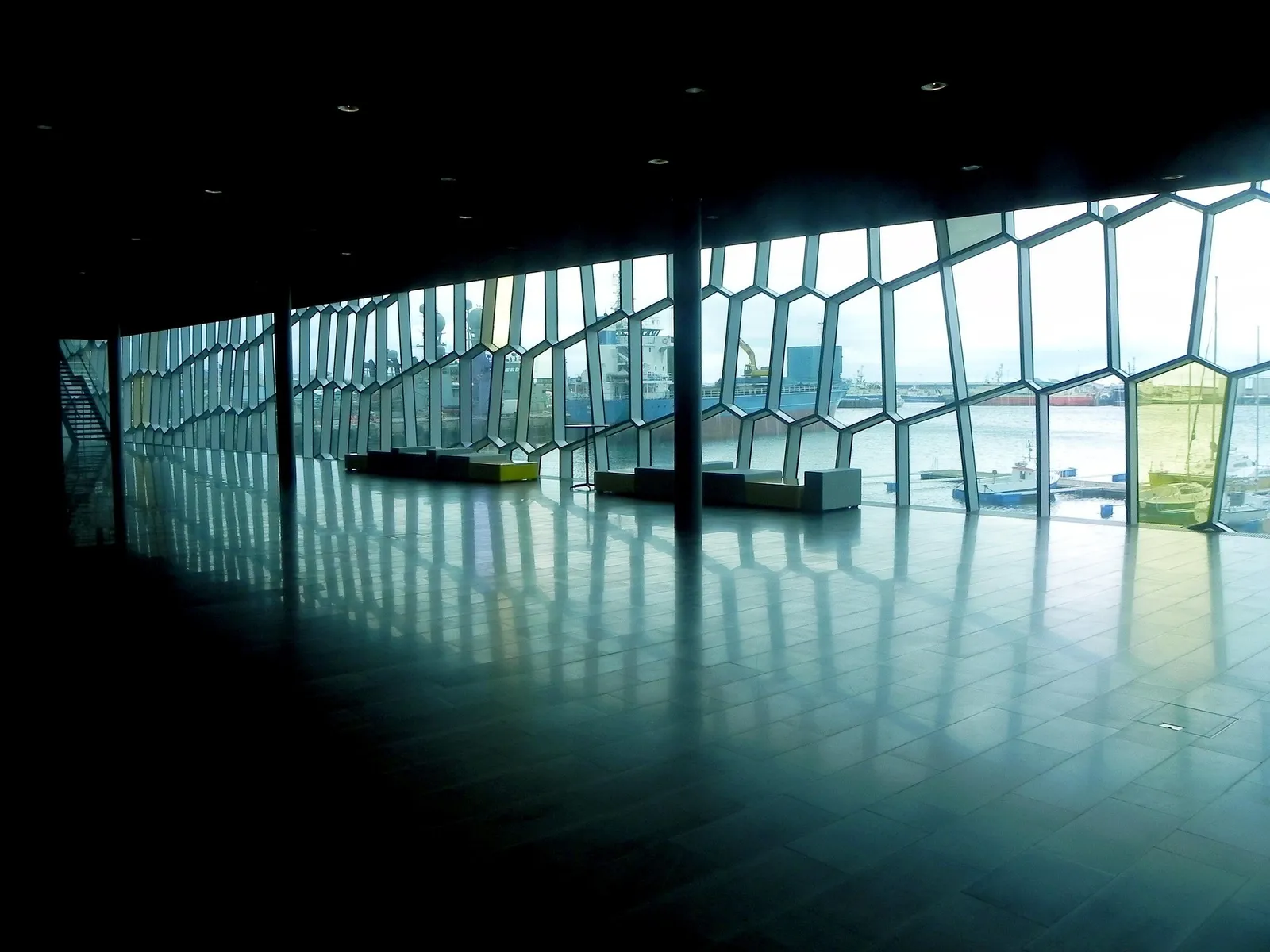
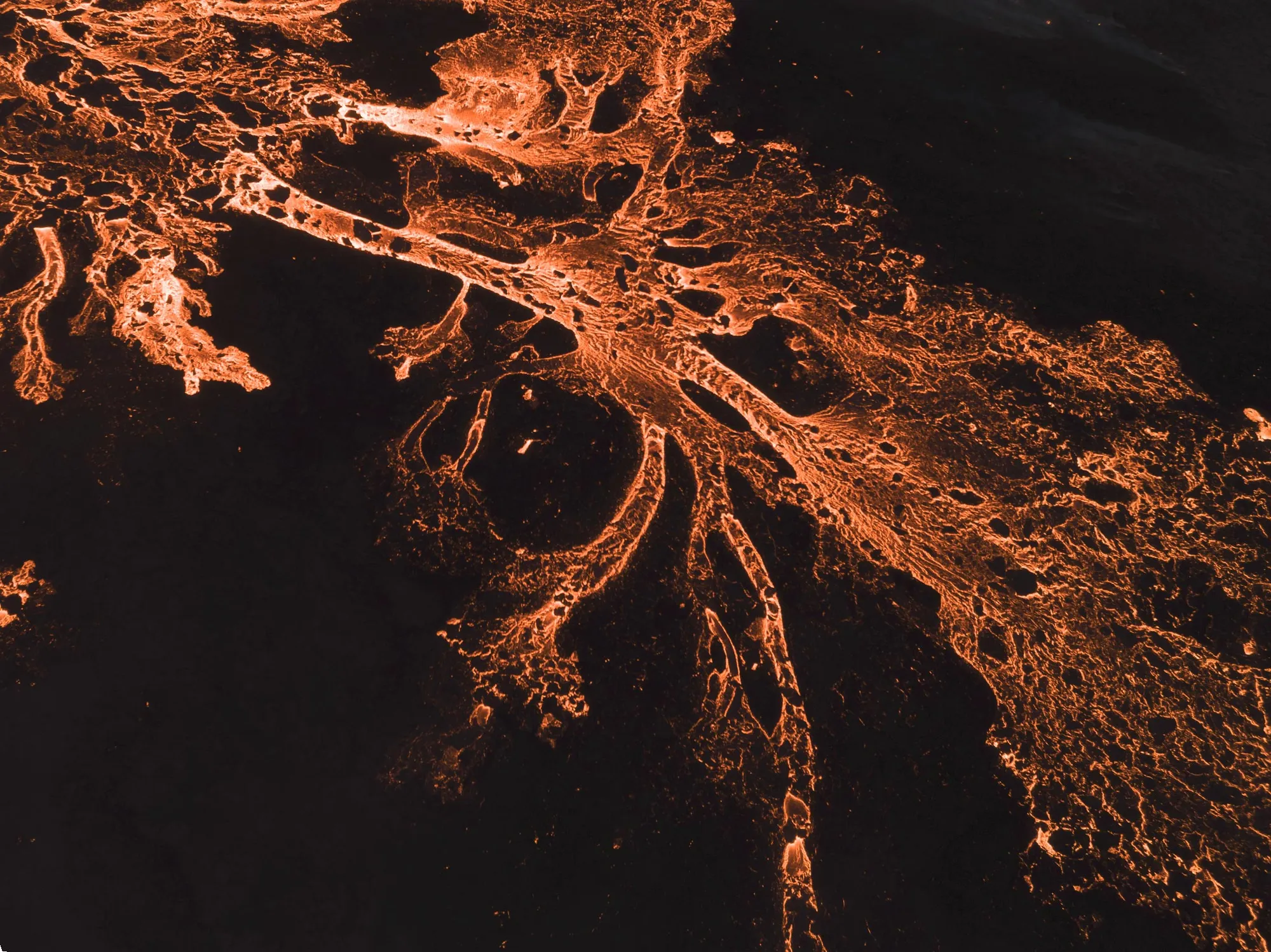
You cannot come to Iceland without becoming at least slightly fascinated by volcanoes. When the weather is wet or windy, head to Harpa Concert Hall for Volcano Express. It is an immersive volcanic experience that uses cinematic and sensory effects to bring Iceland's volcanic landscape to life — you feel the warmth of the eruption and the tremors of earthquakes from a motion seat, watching real footage of the 2021–2024 Reykjanes eruptions. It is also a handy introduction to the geological forces that have shaped the country before you head out and see some of them for yourself.
This is one of those activities that is especially useful in autumn because you are not dependent on the weather. Shows start every 15 minutes, daily from 10:00 to 20:00 on floor K2, so you can spend the morning exploring outside, then switch plans completely if the rain arrives. If the forecast looks properly grim, our rainy-day guide has a full indoor plan.
Get outside when the weather is good
The secret to enjoying Reykjavík in autumn is not trying to force every day into the same plan. If you wake up to blue skies, take advantage of it. Walk along the waterfront towards Grótta and enjoy the open views across the sea. Head into one of the city's green spaces. Wander around Tjörnin (the pond) near Reykjavík City Hall. If you have a rental car, this is also a good opportunity to get out of Reykjavík and explore some of the scenery around the capital.
Autumn sunshine in Iceland can feel almost precious, so when you get it, use it. One particularly good option is Viðey Island, just a short boat trip from Reykjavík. It combines coastal scenery, history, walking paths, and a sense of being much farther away from the city than you actually are.
Climb Mount Esja
If you enjoy hiking, save a good-weather day for Esja. Mount Esja dominates the view across the bay from Reykjavík and is one of the easiest ways to get a serious dose of Icelandic landscape without committing to a long road trip. The mountain rises to 914 meters and has several trails of varying difficulty.
You do not necessarily need to climb all the way to the top. The hike to Steinn is a popular option, offering impressive views without requiring you to tackle the mountain's most demanding section.
It's a great time to hike Esja, but this is one place where you should take the weather seriously. Conditions can change quickly, so check the forecast at the Icelandic Met Office and travel advisories at safetravel.is, wear proper footwear, and bring waterproof layers. A sunny morning in Reykjavík does not necessarily mean calm conditions on the mountain. If the weather is right, though, the views are hard to beat.
Have a proper Icelandic pool experience
One of the simplest things you can do in Reykjavík is also one of the most enjoyable: go swimming with the locals! Icelandic swimming pools are not just places for swimming; they are part of everyday Icelandic life, with hot tubs, steam rooms, and warm geothermal water where people relax and chat. Reykjavík has numerous public pools, including Sundhöllin, Laugardalslaug, and Vesturbæjarlaug.
There is something wonderfully Icelandic about sitting outside in a hot tub while the autumn air is cold around you. It is inexpensive compared with many tourist attractions, and it gives you a chance to experience Reykjavík more like a local.
Spend an afternoon at Sky Lagoon
For something a little more luxurious, book some time at Sky Lagoon. Just outside central Reykjavík in Kópavogur, Sky Lagoon is designed around the combination of geothermal warmth, ocean views, and Icelandic bathing traditions. Its signature Skjól ritual includes a sequence of warm water, a cold plunge, a sauna, a cooling mist, a body scrub, and steam.
Fall is particularly atmospheric here. The sunsets can be beautiful, the weather gives the place a wonderfully moody feel, and as the evenings get darker, there is even the possibility of seeing the northern lights overhead.
If you are visiting Reykjavík with your significant other or want to treat yourself after a few days of sightseeing, this is a lovely way to spend an afternoon or evening.
Go looking for the northern lights
Autumn is when the possibility of seeing the northern lights becomes part of your trip. There is no point in pretending you can schedule the aurora. You simply cannot. You need darkness, clear or partly clear skies, and enough solar activity, and even then, nature decides what happens. And that is part of the fun.
Keep an eye on the aurora forecast, and when the skies are clear in autumn 2026, get away from the brightest city lights. Grótta, on the edge of the Reykjavík area, is a popular spot, while heading farther out towards Kjalarnes can offer darker skies and more open views.
Make the most of the season before winter arrives
Perhaps the biggest reason to visit Reykjavík in autumn is that the season encourages you to do a little bit of everything. That is really the beauty of Reykjavík in the fall. You don't have to choose between an outdoor adventure and a cozy city break. You can have both.
The days may be getting shorter, but there is still plenty of time to explore. The summer crowds are thinning out, the landscape is changing color, the pools are steaming in the cool air, and the first proper signs of winter are beginning to appear. So bring waterproof clothes, good shoes, and a willingness to change your plans when the weather does. Leave some space in your itinerary — flexibility is the season's real skill.
Enjoy your autumn trip to Reykjavík as the season changes, before winter arrives, before the days become truly dark!
Reykjavík in the fall FAQ
When is fall in Iceland?
Icelandic autumn typically runs from late August to mid-October. September usually offers the best balance: 10–13 hours of daylight, autumn colors, and nights dark enough for the northern lights.
Can you see the northern lights in Reykjavík in September?
Yes. From early September the nights are dark enough for aurora sightings when skies are clear and solar activity cooperates. Head to darker spots like Grótta or Kjalarnes and check the Icelandic Met Office aurora forecast before going out.
What should I do in Reykjavík in the fall when it rains?
Go indoors without losing the day: Volcano Express at Harpa (daily 10:00–20:00, shows every 15 minutes), the city's museums, cafés along Laugavegur, or a geothermal pool — rain on warm water is a very Icelandic pleasure.
This article is part of our complete guide: Reykjavík Itineraries & Attractions.