


Last updated: September 2026
The deadliest volcanic eruption in recorded history was the 1815 eruption of Mount Tambora in Indonesia, which killed an estimated 100,000 people directly and through subsequent famine and disease. This catastrophic event is one of the most famous volcanic eruptions in history, but it is far from the only one that has reshaped human civilization. In this guide, we will explore the deadliest eruptions ever recorded, examine how volcanic activity affects human populations, and explain why Iceland—a country built on the Mid-Atlantic Ridge—offers a unique window into these powerful geological forces.
Key takeaways
- Mount Tambora's 1815 eruption killed an estimated 100,000 people.
- The 1883 Krakatoa eruption generated tsunamis over 30 meters high.
- Iceland's Laki eruption in 1783 caused a global famine.
- Volcano Express offers a safe indoor look at Iceland's volcanic power.
What are the top 10 biggest volcanic eruptions in history?
The ten largest volcanic eruptions in recorded history include Mount Tambora (1815), Krakatoa (1883), Mount Pinatubo (1991), and Iceland's own Laki (1783), each ranking high on the Volcanic Explosivity Index (VEI). These events ejected millions of tons of ash and sulfur dioxide into the atmosphere, altering global weather patterns for years.
The VEI scale measures eruption magnitude, from 0 to 8. The ten deadliest eruptions of the historical era, by estimated death toll:
| # | Volcano | Year | Estimated deaths | Main cause of death |
|---|---|---|---|---|
| 1 | Mount Tambora, Indonesia | 1815 | 71,000–100,000+ | Pyroclastic flows, then famine from global cooling |
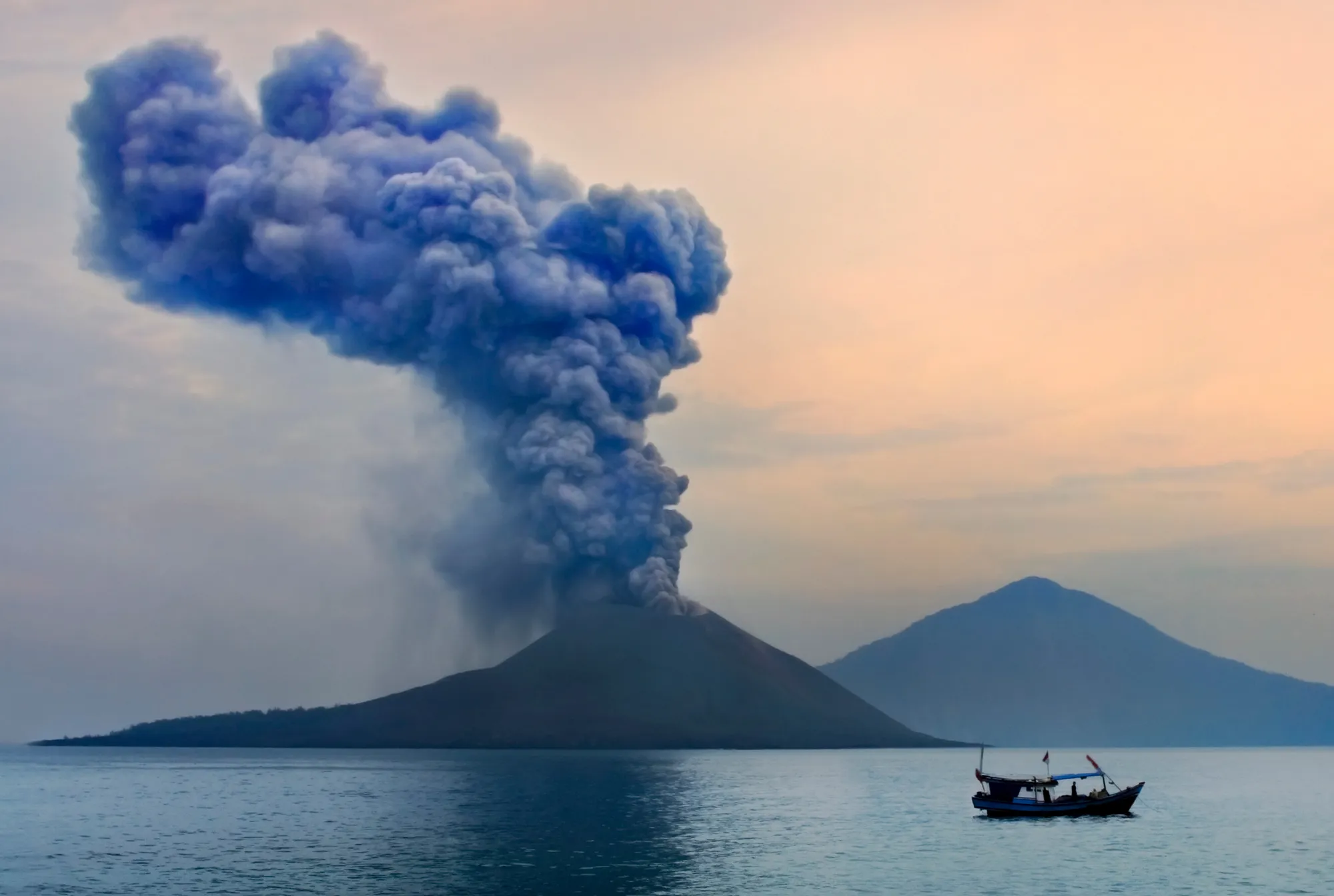
| 2 | Krakatoa, Indonesia | 1883 | ~36,000 | Tsunamis up to 37 m |
| 3 | Mount Pelée, Martinique | 1902 | ~29,000 | Pyroclastic flow that destroyed Saint-Pierre |
| 4 | Nevado del Ruiz, Colombia | 1985 | ~23,000 | Lahar that buried Armero |
| 5 | Mount Unzen, Japan | 1792 | ~15,000 | Flank collapse and tsunami |
| 6 | Laki, Iceland | 1783–84 | ~9,000–10,000 in Iceland, far more abroad | Toxic haze and famine |
| 7 | Kelud, Indonesia | 1919 | ~5,100 | Lahars |
| 8 | Santa María, Guatemala | 1902 | ~5,000–6,000 | Explosive eruption and disease |
| 9 | Galunggung, Indonesia | 1882 | ~4,000 | Lahars and pyroclastic flows |
| 10 | Mount Vesuvius, Italy | 79 AD | 2,000+ documented (possibly up to 16,000) | Pyroclastic surges at Pompeii and Herculaneum |
A VEI-7 eruption like Tambora is rare, occurring only a handful of times in the last 10,000 years. For comparison, the 2010 Eyjafjallajökull eruption in Iceland was a modest VEI-4, yet it grounded over 100,000 flights across Europe because of its ash cloud. The scale helps scientists understand the relative power of eruptions, but death tolls depend more on population density, geography, and preparedness than on raw explosive force alone.
What are the top 5 volcanic eruptions in the world?
The five most destructive volcanic eruptions in world history are Mount Tambora (1815), Krakatoa (1883), Mount Pelée (1902), Nevado del Ruiz (1985), and Laki (1783). Together, these five events killed roughly 200,000 people and caused billions in economic damage.
Each of these eruptions demonstrates a different deadly mechanism. Tambora and Laki caused widespread famine through climate disruption. Krakatoa generated massive tsunamis that drowned coastal communities. Mount Pelée produced a pyroclastic flow that obliterated the city of Saint-Pierre in minutes. Nevado del Ruiz triggered lahars—volcanic mudflows—that buried the town of Armero. Understanding these varied threats is central to studying the effects of volcanic eruptions on humans.
What are the top 3 most famous volcanoes?
The three most famous volcanoes in the world are Mount Vesuvius in Italy, Mount Fuji in Japan, and Eyjafjallajökull in Iceland. Each has captured global attention through dramatic eruptions, cultural significance, or both.
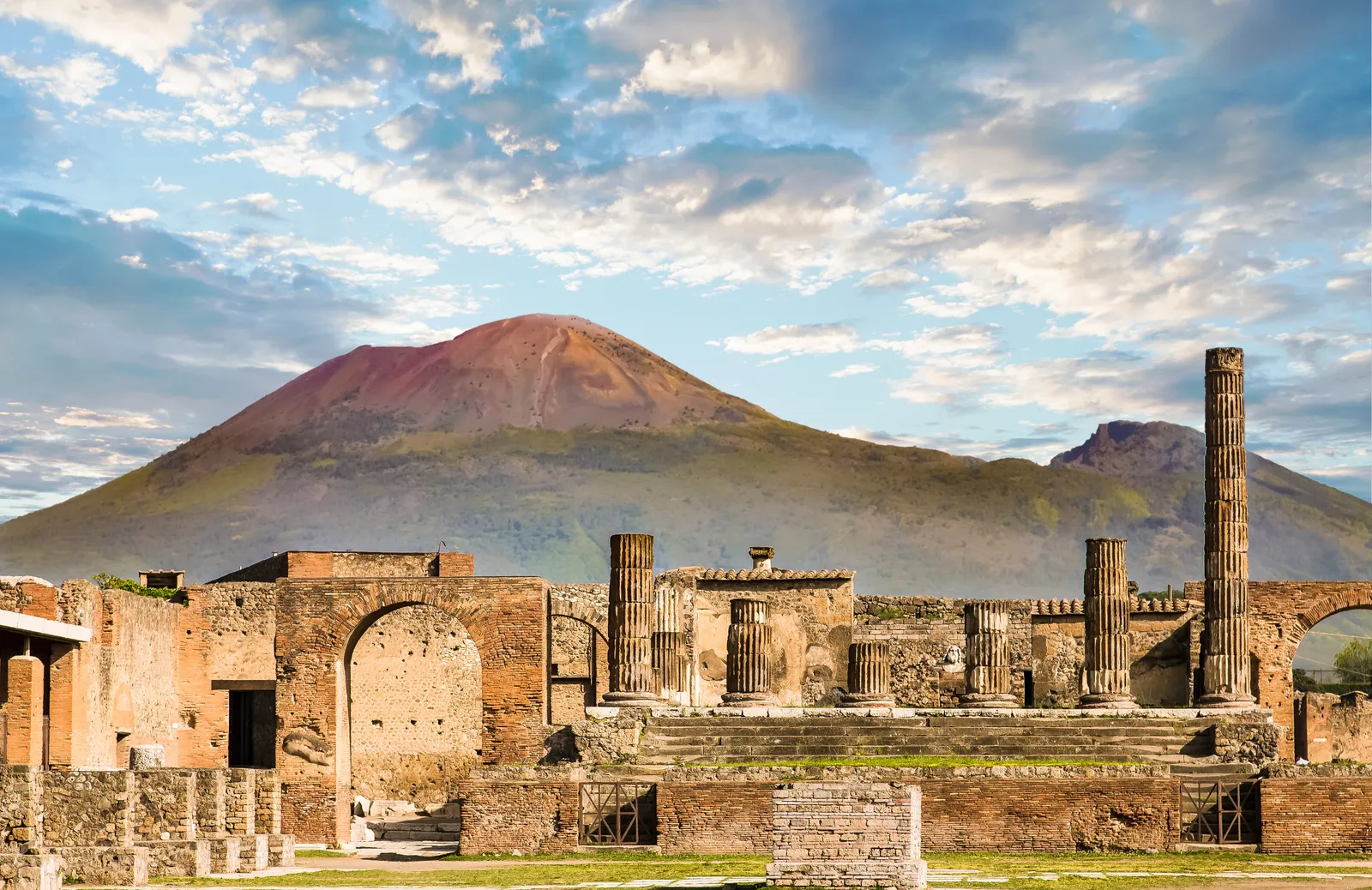
Mount Vesuvius is famous for the 79 AD eruption that buried Pompeii and Herculaneum in ash, preserving Roman life in eerie detail. Mount Fuji is an iconic symbol of Japan, an active stratovolcano that last erupted in 1707. Eyjafjallajökull became a household name in 2010 when its ash cloud disrupted air travel across Europe for weeks. These volcanoes represent the spectrum of volcanic activity, from catastrophic to culturally revered.
What are the top 3 deadliest volcanoes?
The three deadliest volcanoes in recorded history are Mount Tambora (1815), Krakatoa (1883), and Mount Pelée (1902), with combined death tolls exceeding 150,000. These eruptions are the benchmark for catastrophic volcanic events.
Mount Tambora's eruption in April 1815 was the most powerful in recorded history, rated VEI-7. The explosion was heard over 2,000 kilometers away, and the ash column reached 43 kilometers into the atmosphere. The immediate blast killed around 10,000 people, but the long-term effects were far worse. Volcanic ash and sulfur dioxide blocked sunlight, causing global temperatures to drop by roughly half a degree Celsius, with larger regional drops. The following year, 1816, became known as "the Year Without a Summer," with crop failures and famine across Europe, North America, and Asia. Modern estimates put Tambora's total death toll between about 71,000 and well over 100,000 people.
What volcano killed the most humans in recorded history?
Mount Tambora holds the grim record for the highest death toll from a single volcanic eruption, with an estimated 100,000 fatalities. This Indonesian volcano's 1815 eruption remains the deadliest in human history.
The death toll came in two waves. The first was the immediate eruption itself, which killed approximately 10,000 people through pyroclastic flows, ash fall, and tsunamis. The second, far deadlier wave came from the global climate disruption that followed. Crops failed across the Northern Hemisphere, leading to widespread famine and disease. The eruption also destroyed the local agricultural economy on Sumbawa and neighboring Lombok islands, where tens of thousands starved in the aftermath. This event remains the definitive example of how a single volcanic eruption can alter the course of human history.
How do volcanic eruptions affect human populations?
Volcanic eruptions affect humans through pyroclastic flows, lahars, tsunamis, ash fall, and climate disruption, each posing distinct threats to life and infrastructure. The effects of volcanic eruptions on humans depend on the eruption type and proximity to populated areas.
Pyroclastic flows are the deadliest immediate threat—fast-moving clouds of hot gas, ash, and rock that can travel at over 100 kilometers per hour. Lahars, or volcanic mudflows, can bury entire towns, as seen at Nevado del Ruiz in 1985. Ash fall damages buildings, contaminates water supplies, and causes respiratory problems. On a global scale, sulfur dioxide emissions can cool the planet for years, disrupting agriculture and causing famine. Iceland's 1783 Laki eruption is a sobering example: it released an estimated 120 million tons of sulfur dioxide, causing a famine that killed about 20% of Iceland's population and contributed to crop failures across Europe.
Are there any active volcanoes in Iceland in 2026?
Iceland has around 30 active volcanic systems, and the Reykjanes Peninsula has been experiencing a new eruptive phase since 2021. As of 2026, volcanic activity continues to be closely monitored by the Icelandic Met Office.
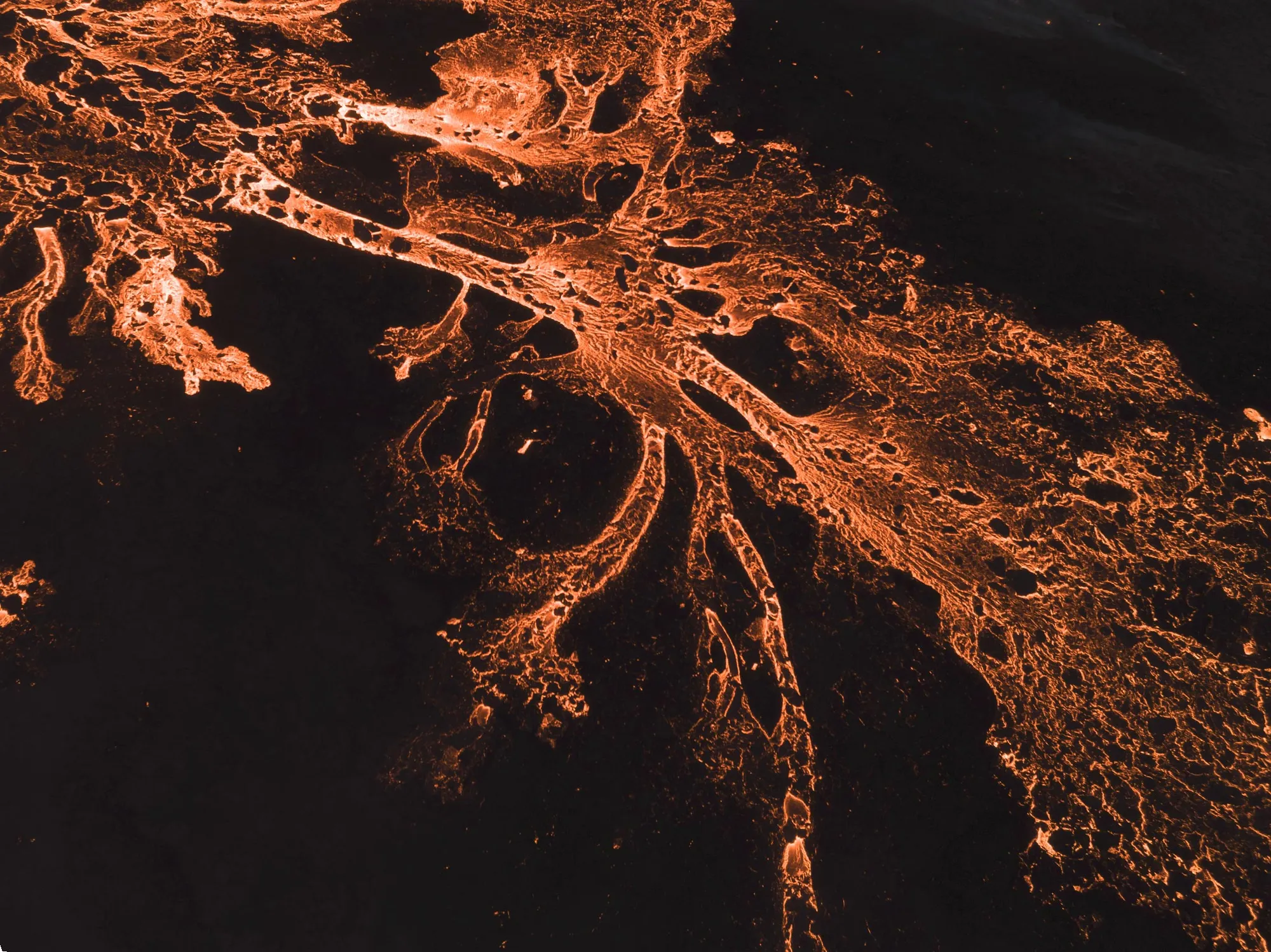
The Reykjanes Peninsula, home to the famous Blue Lagoon and the town of Grindavík, has seen multiple fissure eruptions since 2021, including at Fagradalsfjall and Sundhnúkur. These eruptions have been relatively small and effusive, producing lava flows rather than explosive ash clouds. For the most current status on any active eruption, visitors should check the Icelandic Met Office's live updates at en.vedur.is and the Civil Protection website at almannavarnir.is before heading to the peninsula.
"Iceland sits directly on the Mid-Atlantic Ridge, where the Eurasian and North American tectonic plates are pulling apart at a rate of about 2 centimeters per year. This makes the island one of the most volcanically active places on Earth."
What makes Iceland's volcanic landscape unique?
Iceland's volcanic uniqueness comes from its position on the Mid-Atlantic Ridge, where the Eurasian and North American plates are diverging, combined with a mantle plume beneath the island. This double source of magma makes Iceland exceptionally volcanically active.
The island sits directly on the boundary where two tectonic plates are moving apart, allowing magma to rise from the mantle. Beneath this, a mantle plume—a hot column of rock rising from deep within the Earth—adds extra heat and magma. This combination creates a volcanic landscape unlike anywhere else on Earth. Iceland is home to around 30 active volcanic systems, subglacial volcanoes, geothermal areas, and vast lava fields. The island itself is essentially a volcanic construction project that has been building for about 20 million years.
What are the most powerful volcanic eruptions ever recorded?
The most powerful volcanic eruptions ever recorded include Mount Tambora (1815, VEI-7), the prehistoric Toba eruption (74,000 years ago, VEI-8), and Krakatoa (1883) — a still-devastating VEI-6. These events dwarf anything witnessed in modern history.
The Toba eruption in Indonesia is considered one of the largest volcanic events in the last 2 million years, with a VEI-8 rating. It ejected an estimated 2,800 cubic kilometers of material and may have caused a volcanic winter lasting years. Krakatoa's 1883 eruption generated the loudest sound ever recorded, heard over 4,800 kilometers away. While Iceland has not produced a VEI-7 eruption in recorded history, its volcanic systems are capable of large, sustained eruptions. The 2010 Eyjafjallajökull eruption, though modest in power, demonstrated how Icelandic volcanoes can disrupt the modern world through ash clouds.
Did the Toba eruption nearly wipe out humanity?
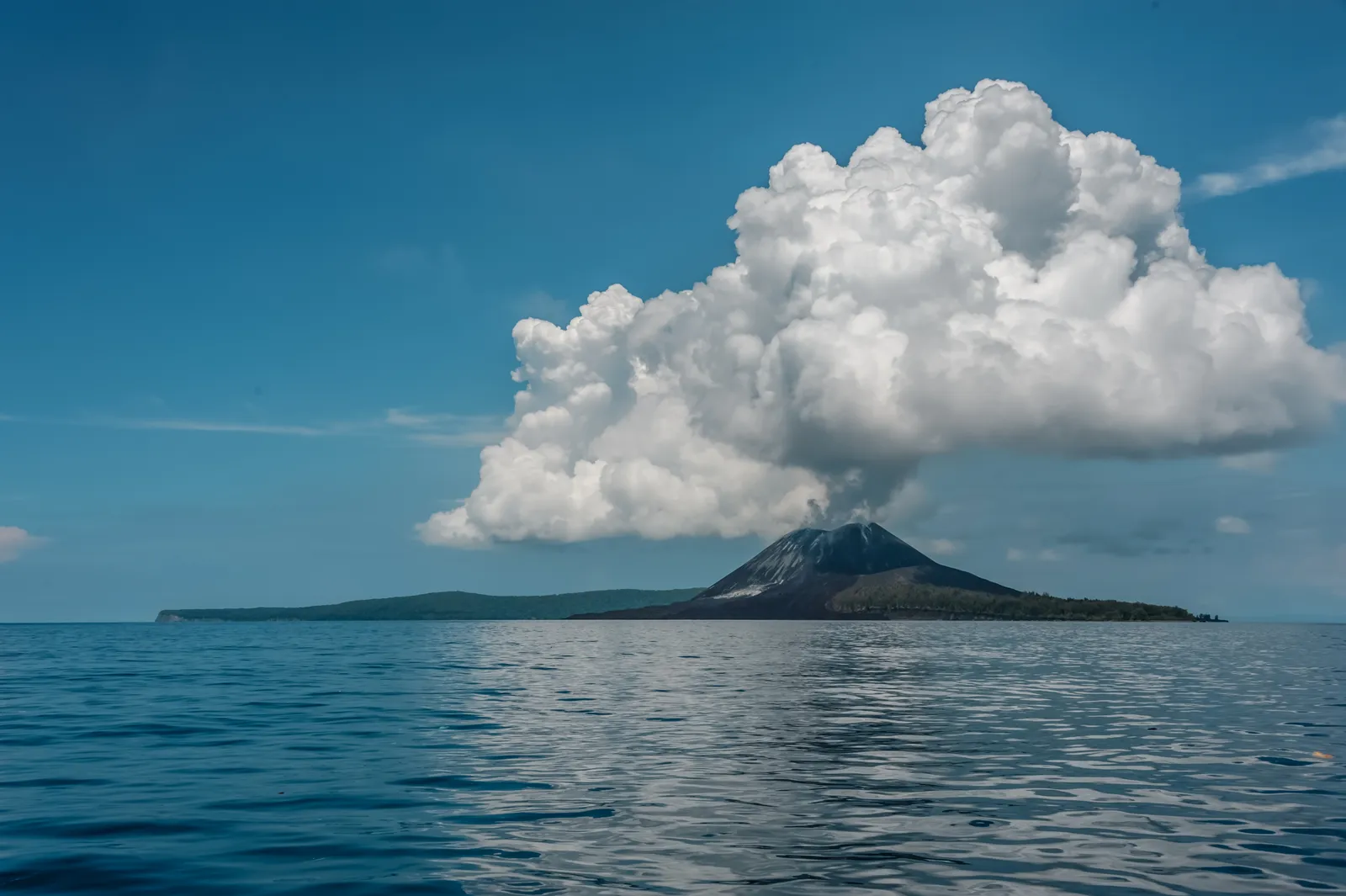
The Youngest Toba eruption, roughly 74,000 years ago at the Toba Caldera in Sumatra, was long hypothesized to have pushed our species to the brink of extinction — but newer research questions how severe its impact really was. It remains one of the most fascinating open debates in volcanology.
The catastrophe theory runs like this: Toba, a VEI-8 supervolcano, hurled enormous quantities of ash and sulfur into the atmosphere, plunging the planet into a multi-year volcanic winter. Geneticists studying humanity's unusually low genetic diversity proposed that our population crashed to somewhere between 1,000 and 10,000 breeding individuals — a bottleneck whose fingerprint we would all still carry.
Science has since complicated that tidy story. Archaeological digs from the 2010s onward found stone tools both below and above Toba's ash layer in India, suggesting human populations carried on through the aftermath, and climate modelling now indicates the volcanic winter was probably milder and shorter than first assumed. Our low genetic diversity may instead reflect founder effects — small groups branching off during migrations — rather than a single global catastrophe. Most strikingly, genomic modelling published in 2023 points to a far older and deeper bottleneck around 900,000 years ago, when our ancestors may have numbered under 1,500 breeding individuals for over a hundred thousand years — long before Toba erupted at all.
The honest summary: Toba was unquestionably one of the largest eruptions in the last two million years, but whether it nearly ended us is genuinely still being argued. This short documentary lays out the bottleneck debate well:
What are the most famous volcanic eruptions in the world?
The most famous volcanic eruptions in the world include Mount Vesuvius (79 AD), Krakatoa (1883), Mount St. Helens (1980), and Eyjafjallajökull (2010). Each of these events captured global attention and shaped public understanding of volcanic hazards.
Mount Vesuvius's eruption in 79 AD is perhaps the most famous in history, immortalized by the preserved ruins of Pompeii. Krakatoa's 1883 eruption was the first global media event, spread by telegraph and newspapers. Mount St. Helens in 1980 was the deadliest volcanic eruption in U.S. history, killing 57 people. Eyjafjallajökull in 2010 brought Iceland's volcanic activity into the modern spotlight, disrupting air travel and sparking worldwide interest in Icelandic geology. These events are the most famous volcano eruptions because they combined destructive power with human stories.
What volcano is predicted to erupt in 2026?
Iceland's Reykjanes Peninsula is the most likely location for a volcanic eruption in 2026, with scientists monitoring ongoing magma accumulation beneath the region. The Icelandic Met Office tracks seismic activity and ground deformation to forecast potential eruptions.
The Reykjanes Peninsula has experienced several eruptions since 2021, and geologists expect this pattern to continue. The region sits on the Mid-Atlantic Ridge, where the tectonic plates are constantly pulling apart, allowing magma to rise. Scientists use a network of GPS stations and seismometers to detect magma movement beneath the surface. While predicting the exact timing of an eruption remains impossible, the Icelandic Met Office provides real-time hazard assessments at en.vedur.is. For visitors, this means the Reykjanes Peninsula offers a rare opportunity to witness volcanic activity safely, provided they follow official guidance.
How can you safely experience volcanic power in Iceland?
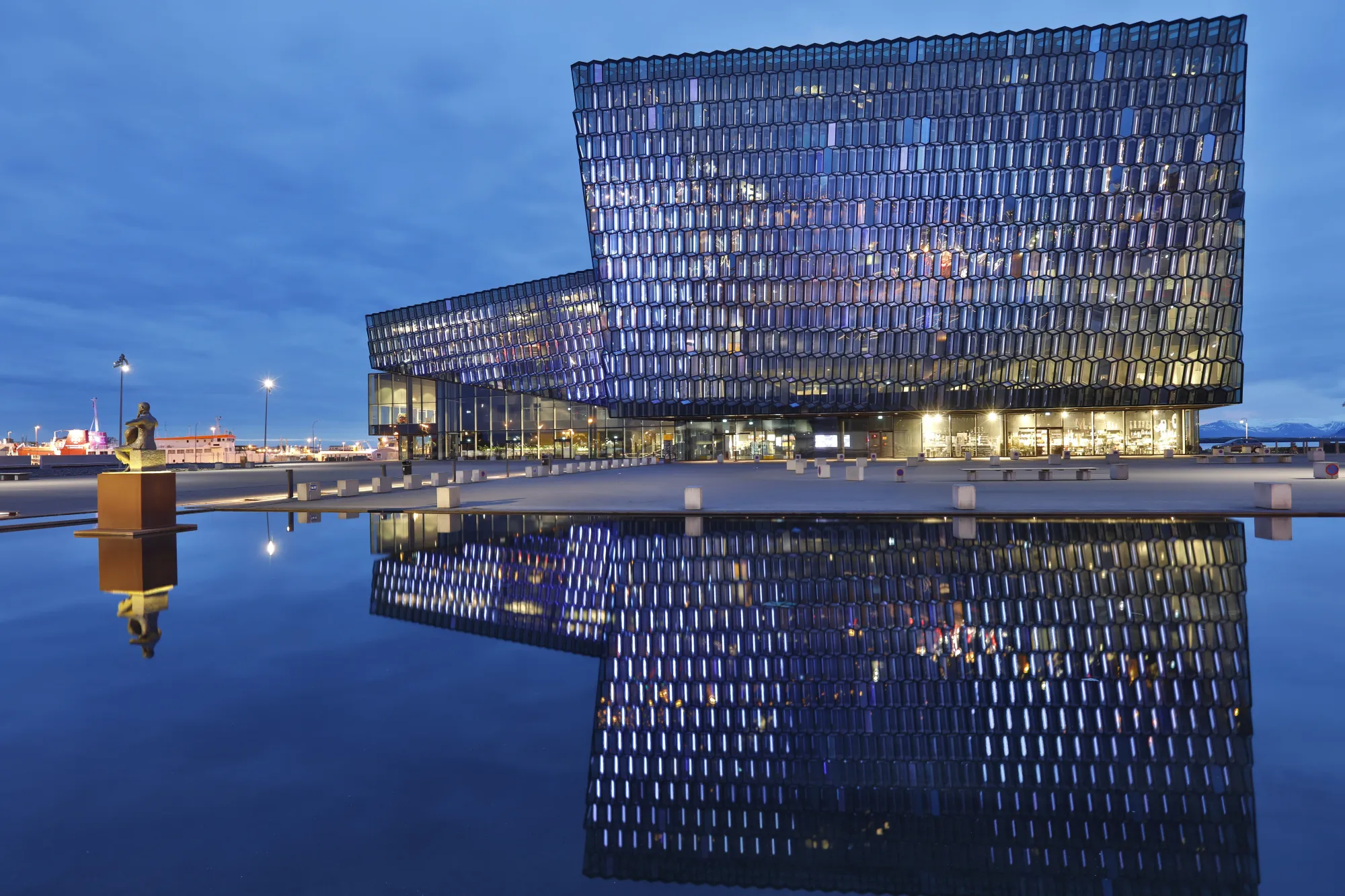
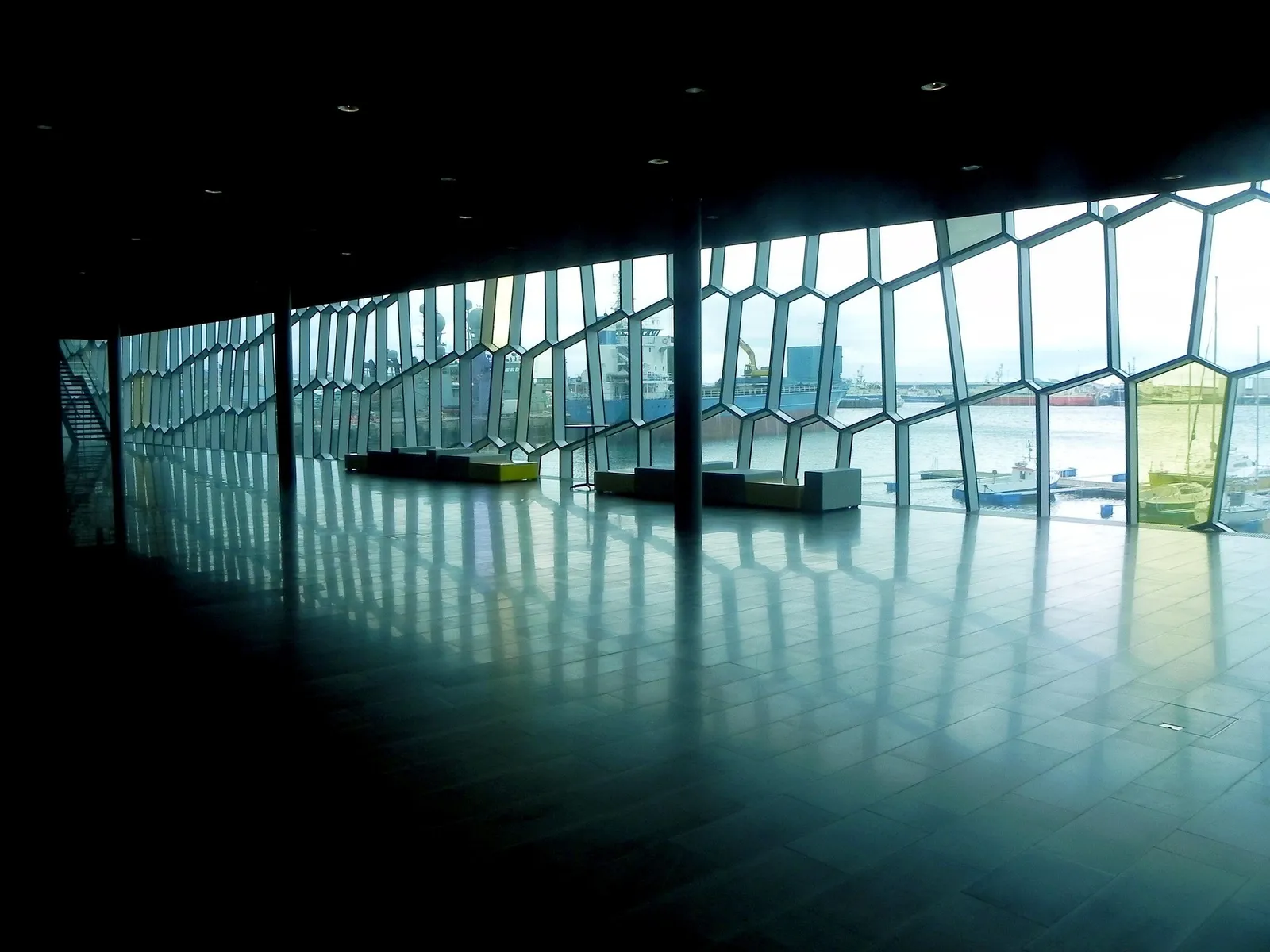
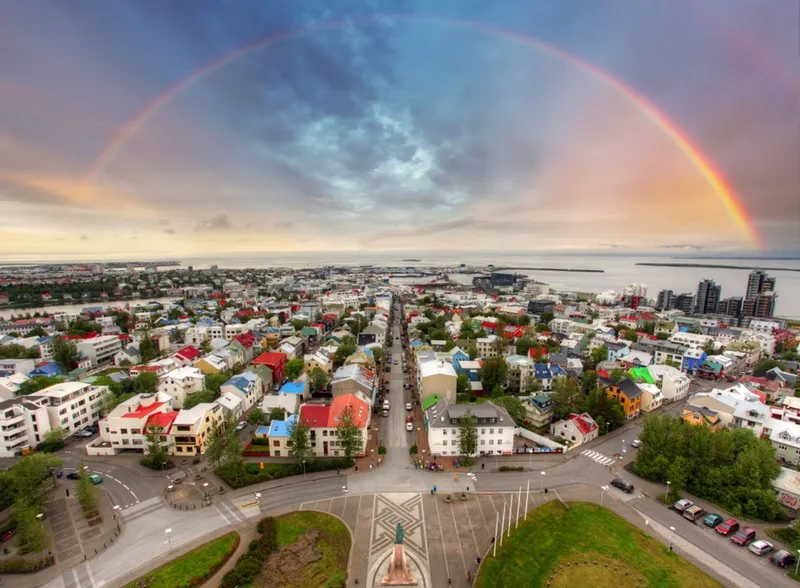
For a safe, indoor encounter with Iceland's volcanic forces, Volcano Express, inside Harpa Concert Hall on Reykjavík's waterfront, is a cinematic motion-simulator experience that brings you face-to-face with erupting fissures and flowing lava. The 10-minute motion “flight” uses dynamic motion seating and real heat effects, paired with footage from the 2021–2024 Reykjanes Peninsula eruptions, to simulate the sensation of standing beside an active volcano.
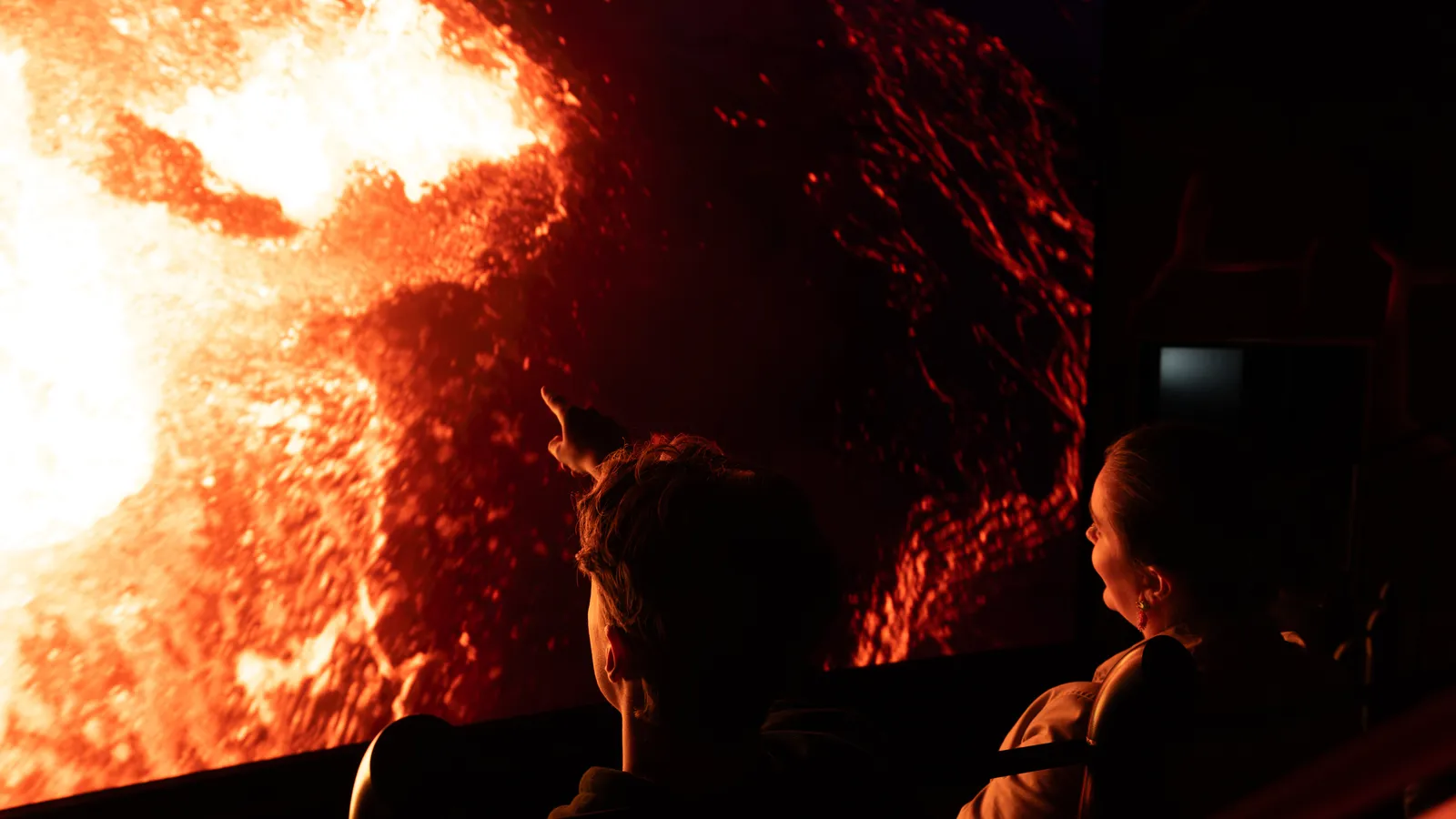
The experience begins with a self-guided pre-show exhibition, included with every ticket, featuring live eruption footage, an interactive eruption map, and a live earthquake monitor. This makes Volcano Express an ideal starting point for understanding Iceland's geology before venturing to outdoor sites. It runs daily from 10:00 to 20:00, fully indoors and weather-independent, making it a reliable addition to any Reykjavík itinerary. For deeper geological context, explore Iceland's Volcanoes Explained: Geology, Eruptions & Geothermal Power or plan a broader trip with the Best Geological Sites in Iceland: The Complete Guide.
How does Iceland's geology compare to the world's deadliest volcanoes?
Iceland's volcanoes are generally less explosive than the world's deadliest eruptions, but they pose unique hazards due to their interaction with glaciers and their potential for widespread ash dispersal. The island's volcanic systems are mostly basaltic, producing fluid lava flows rather than violent explosions.
The deadliest eruptions in history, like Tambora and Krakatoa, were stratovolcanoes with silica-rich magma that traps gas and explodes violently. Iceland's volcanoes are predominantly shield volcanoes and fissure systems that erupt more gently. However, when eruptions occur beneath glaciers, as with Eyjafjallajökull in 2010, the interaction between magma and ice creates explosive phreatomagmatic activity. Iceland's volcanic ash also contains fine particles that can travel thousands of kilometers, posing a unique threat to aviation. This makes Iceland's volcanic activity a global concern despite its relatively low death toll.
See Iceland's volcanic story from Reykjavík
If you're planning a trip to Iceland and want to understand the forces that shaped this island, start in Reykjavík. A visit to Volcano Express — the indoor experience at Harpa described above — gives you the context for everything you'll see outdoors, whether the Reykjanes Peninsula is open that day or not. It works for families, couples, and solo travellers alike, in any season. When you're ready to feel what this article describes without the risk, that's where to begin.