


Published September 2026 · Last updated: September 2026
Iceland has so many earthquakes because it sits directly on the Mid-Atlantic Ridge, where the North American and Eurasian tectonic plates pull apart by about two centimeters every year — and on top of a mantle hotspot that keeps magma moving beneath the island. The result: roughly 500 earthquakes in a typical week, almost all of them too small to feel. The vast majority are background noise from a living landscape. A small minority — intense, clustered swarms in volcanic zones — are the island's early-warning system telling scientists that magma is on the move.
This guide explains where all that shaking comes from, what the different kinds of earthquakes mean, and — the question every traveler actually wants answered — how to tell a normal Icelandic Tuesday from a genuine warning sign.
Why does Iceland have so many earthquakes?
Two geological engines run at once beneath Iceland, and each produces earthquakes on its own.
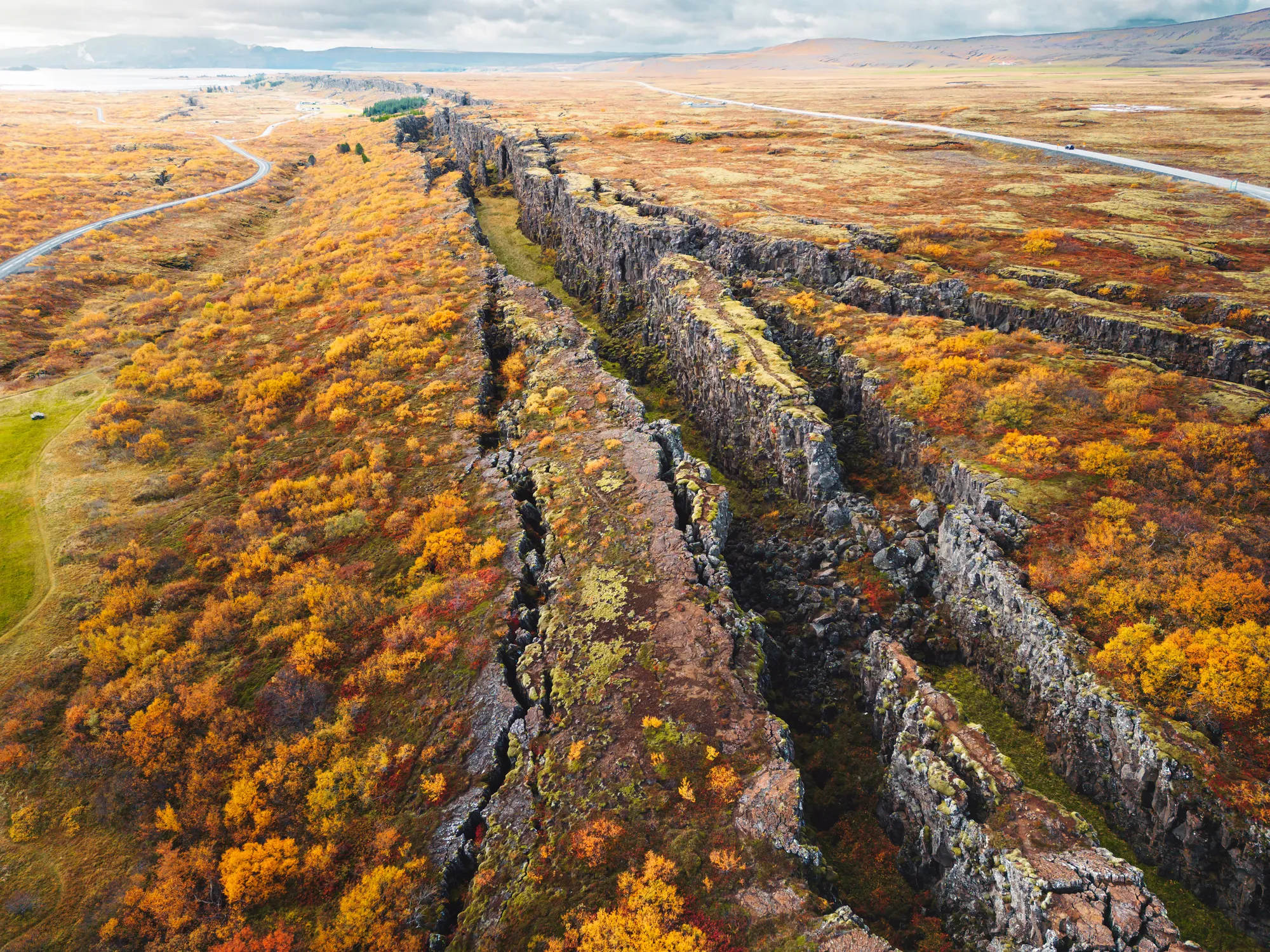
The plate boundary. Iceland is one of the only places on Earth where a mid-ocean ridge rises above sea level. The island is literally being pulled apart by the North American and Eurasian plates, which separate by around 2 cm per year. That stretching doesn't happen smoothly — the crust sticks, strains, and then snaps in small releases. Each snap is an earthquake.
The hotspot. Beneath the rift sits a mantle plume — an upwelling of unusually hot rock that also feeds Iceland's roughly 30 active volcanic systems. When magma intrudes into the crust, it fractures the surrounding rock, producing dense clusters of small earthquakes called swarms.
Most countries with frequent earthquakes have one of these engines. Iceland has both, stacked on top of each other. That's why a country smaller than the US state of Kentucky records tens of thousands of earthquakes a year.
How many earthquakes does Iceland actually get?
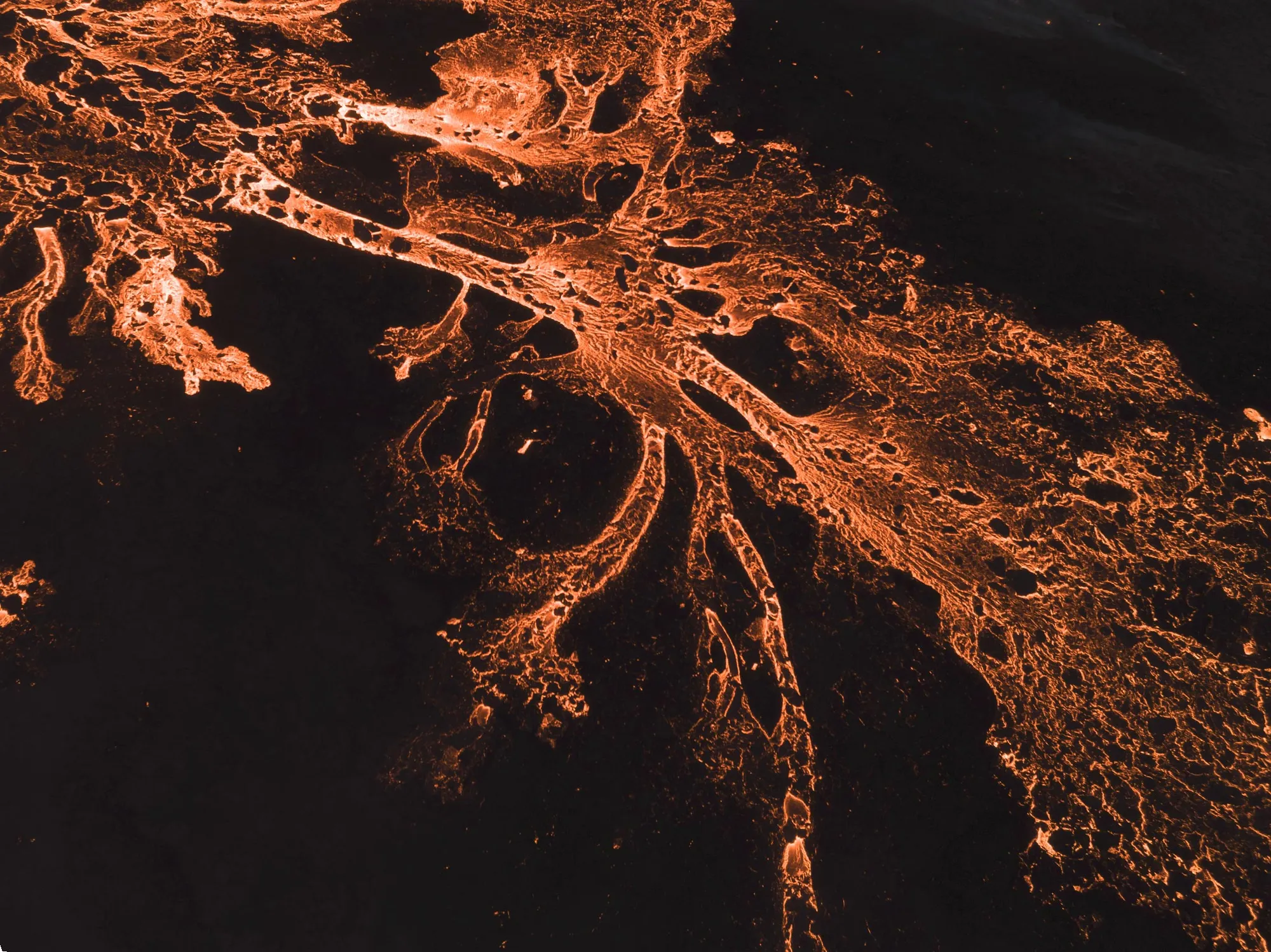
The Icelandic Meteorological Office (IMO), which runs the national SIL seismic network, typically registers about 500 earthquakes per week — on the order of 20,000–30,000 per year. During volcanic unrest, that number explodes: in the weeks before the 2021 Fagradalsfjall eruption, the Reykjanes Peninsula produced more than 40,000 earthquakes in a single month, including several above magnitude 5.
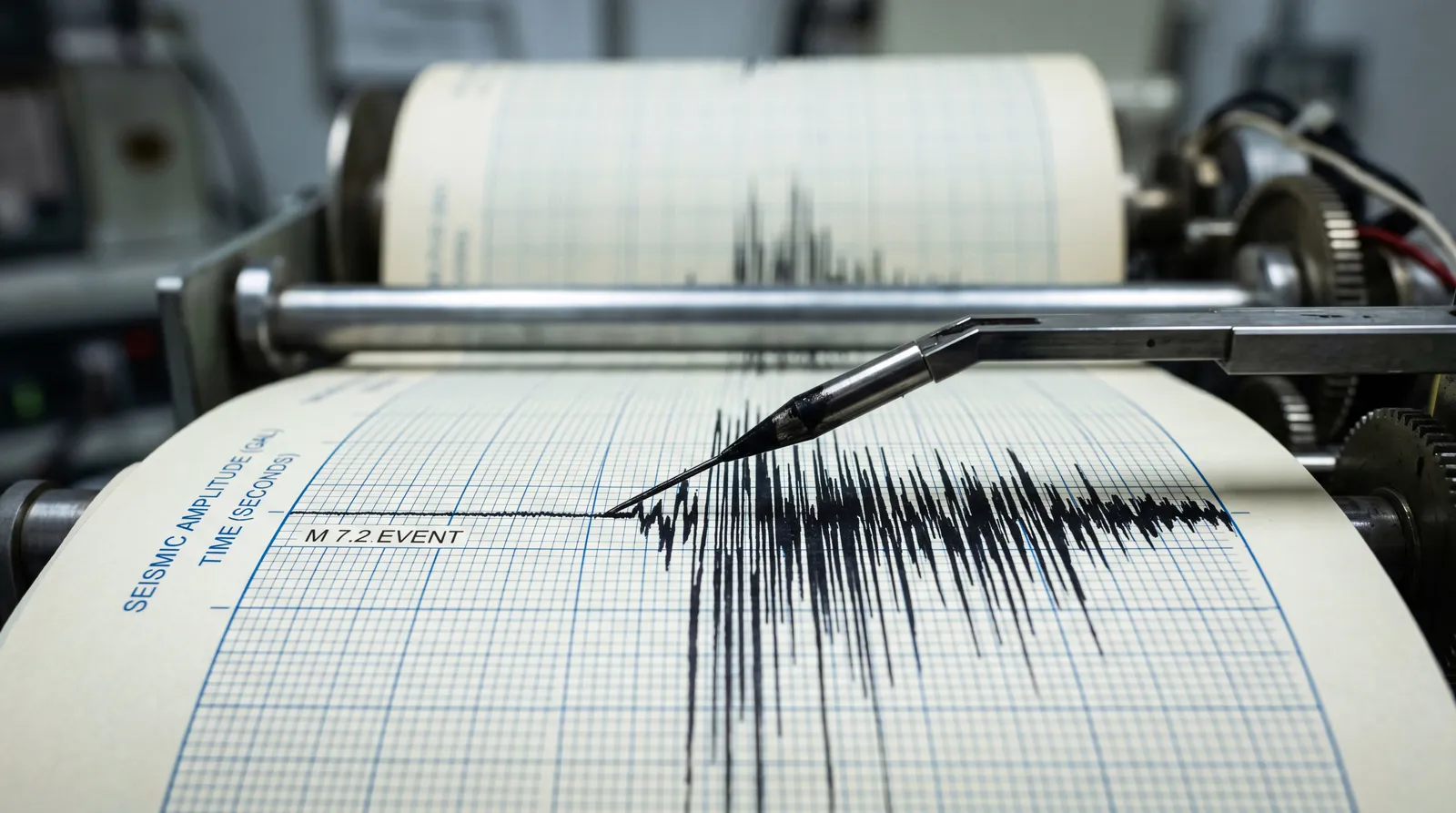
Almost all routine Icelandic earthquakes are below magnitude 3 — beneath the threshold most people can feel. A visitor could spend two weeks in Iceland during a seismically "busy" period and never notice a single tremor.
The two types of Icelandic earthquakes — and why the difference matters
Not all Icelandic earthquakes carry the same message.
Tectonic earthquakes release built-up plate strain. They concentrate in two transform zones where the plates grind sideways past each other: the South Iceland Seismic Zone (the land east of Reykjavík) and the Tjörnes Fracture Zone off the north coast near Húsavík. These zones produce Iceland's largest single earthquakes — but a big tectonic quake does not mean an eruption is coming.
Volcanic earthquakes happen when magma forces its way through rock. They arrive as swarms — hundreds or thousands of small quakes in a tight cluster, often migrating in a line as the magma tunnels sideways underground. This is the pattern that puts scientists on alert, because a migrating swarm plus ground deformation is the classic signature of a dike intrusion: magma cutting a path that may reach the surface. Every recent Reykjanes eruption announced itself this way, hours to weeks in advance.
One pattern is the land relieving old stress; the other is new magma writing its travel plans. Iceland's monitoring network exists to tell them apart in real time.
How strong do Icelandic earthquakes get?
By global standards, Iceland's earthquakes are moderate. The largest in the instrumental era reached about magnitude 7, in the north in 1910 and near the south coast in 1912. More recently, two magnitude ~6.5 quakes struck South Iceland in June 2000, and a magnitude 6.3 hit near Selfoss in 2008 — damaging buildings and roads, injuring a few dozen people, but killing no one.
That safety record is not luck. Icelandic earthquakes are shallow (usually less than 10 km deep), so they're felt sharply but locally, and their moderate magnitudes meet a building stock engineered for exactly this hazard. Icelandic building codes require seismic resistance; most structures are low-rise reinforced concrete, and there are no adobe or unreinforced-masonry buildings of the kind that make similar quakes deadly elsewhere. No one has died in an Icelandic earthquake in over a century.
When earthquakes are a warning sign
Here is the honest answer to "when should I worry": when the professionals do — and they show their work in public.
The pattern that matters is a swarm that intensifies and migrates, paired with GPS and satellite measurements showing the ground swelling or cracking. That combination preceded every eruption of the current Reykjanes cycle. The clearest example came on 10 November 2023, when thousands of earthquakes in a few hours traced a 15-kilometer magma dike running directly beneath the town of Grindavík. Civil Protection evacuated the town the same evening — days before any lava appeared. The eruption that followed confirmed the reading.
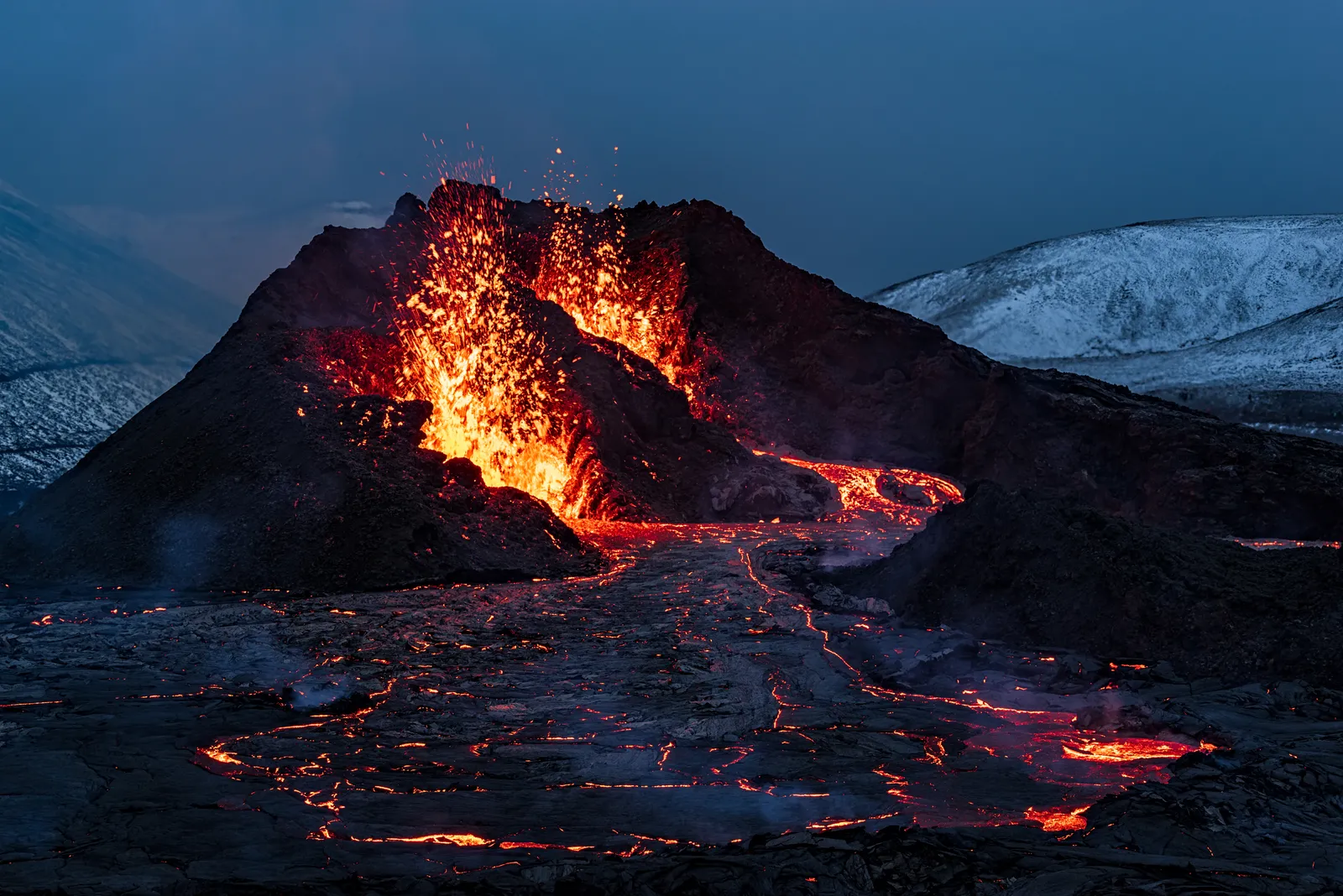
That sequence is worth understanding as a traveler, because it shows how the system works in your favor:
- Quakes come first. Magma can't move silently. Eruptions in Iceland are preceded by seismic unrest, giving hours to weeks of notice.
- The data is public. The IMO publishes every earthquake in near real time at vedur.is, declares official uncertainty phases, and Civil Protection issues alerts and closures.
- Response is fast and rehearsed. Grindavík was evacuated in one evening, safely.
For the current state of the peninsula, see our regularly updated eruption status page and our guide to which Icelandic volcanoes are most likely to erupt next.
When not to worry
Some perspective for the anxious traveler:
- Feeling a small quake is a souvenir, not an emergency. Locals often don't look up from their coffee when the magnitude is below 4.
- A single moderate quake ≠ eruption. Most quakes, including the biggest ones, are tectonic strain releases with no volcanic meaning at all.
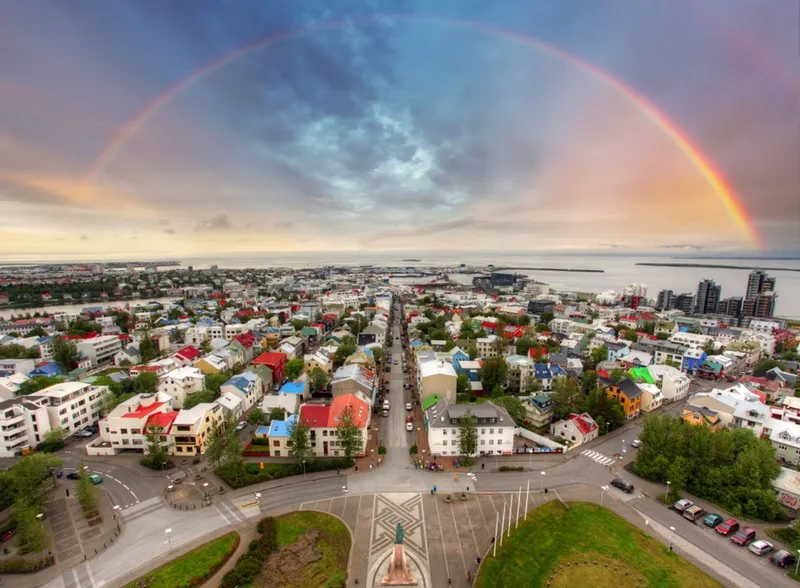
- Reykjavík sits outside the main rift zones. The capital feels occasional tremors from the Reykjanes Peninsula or South Iceland — the magnitude 5.6 quake of October 2020 rattled windows across the city — but it has never suffered serious earthquake damage. We've covered in detail why Reykjavík is one of the safer places in the country.
- Tourist infrastructure reacts conservatively. When authorities close an area — as they periodically have around Grindavík and the Blue Lagoon since 2023 — the closure is the safety system working, not failing.
What should I do if I feel an earthquake in Iceland?
For the rare noticeable quake, the advice is the same as anywhere: drop, cover, and hold on. Get under a sturdy table, stay away from windows, and don't run outside while shaking continues. Indoors is generally safer than outdoors. Afterward, check vedur.is for the magnitude (it will be posted within minutes) and safetravel.is for any advisories. If you're driving in the highlands or near steep slopes, be aware that quakes can loosen rockfall.
That's the whole protocol. There is no tsunami risk from typical Icelandic earthquakes, and aftershock sequences here are usually mild.
Feel the power of the plates — without waiting for one
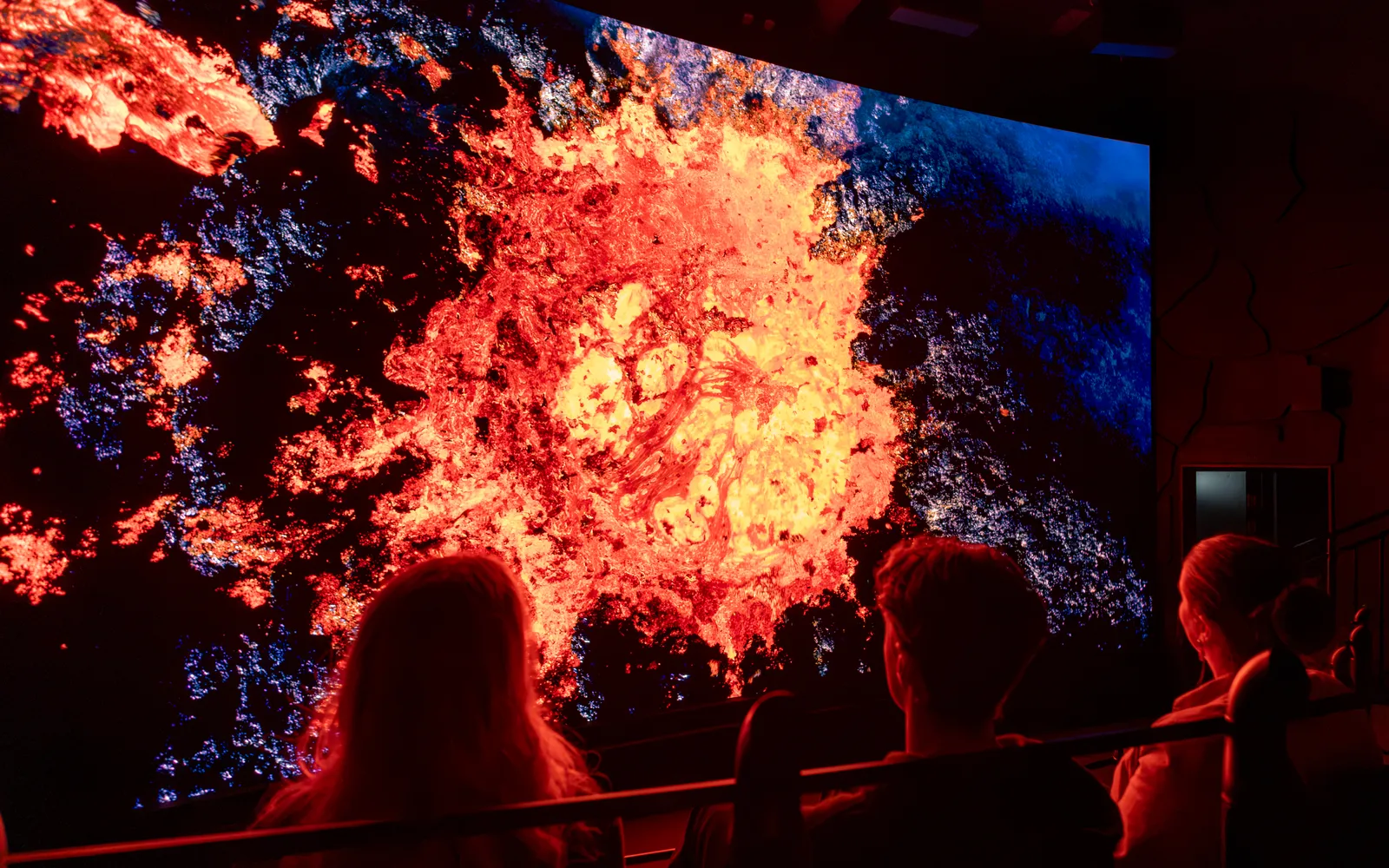
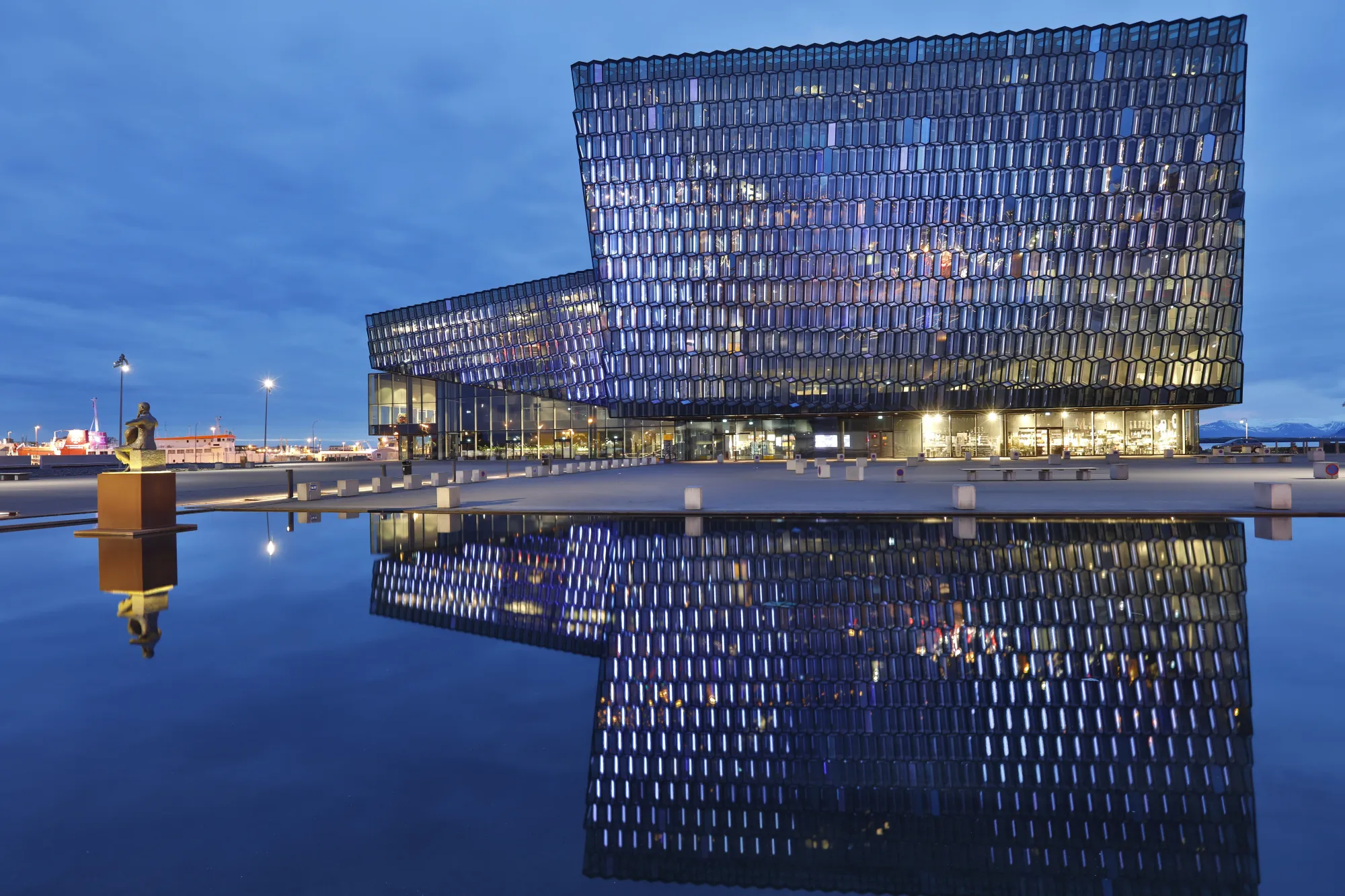
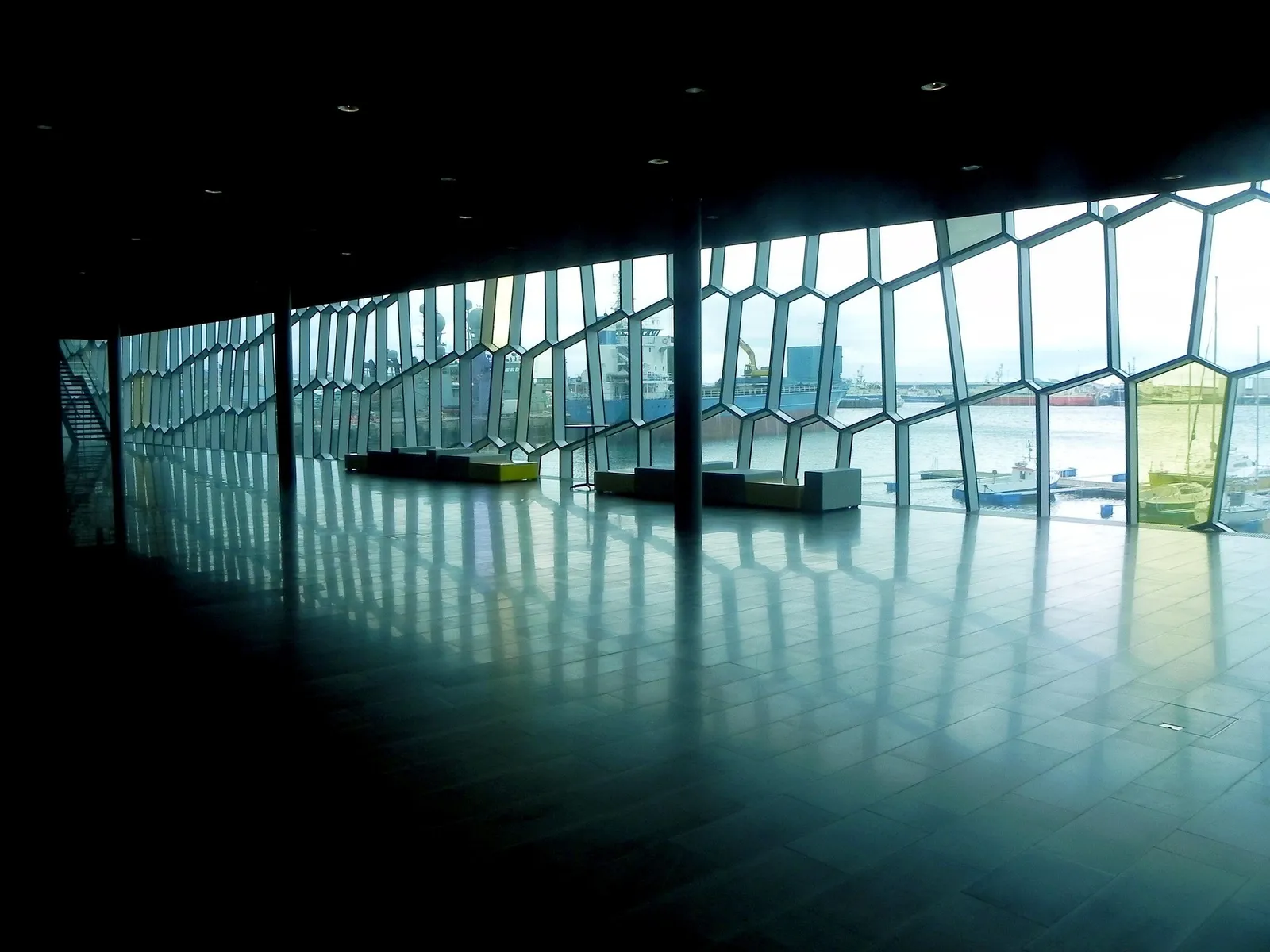
The remarkable thing about Iceland's earthquakes isn't the risk — it's what they reveal: an island being built and torn apart in real time, on a boundary you can stand on. If you want to experience those forces up close on your own schedule, Volcano Express at Harpa in downtown Reykjavík takes you into Iceland's volcanic world — the eruptions, the magma, the science of the flow — in an immersive indoor experience that runs regardless of the weather and whatever the seismographs are doing. It's the one place in Reykjavík where an eruption is guaranteed.